
Why Are There So Many Flies in My House?
Why Flies Come Into Your Home
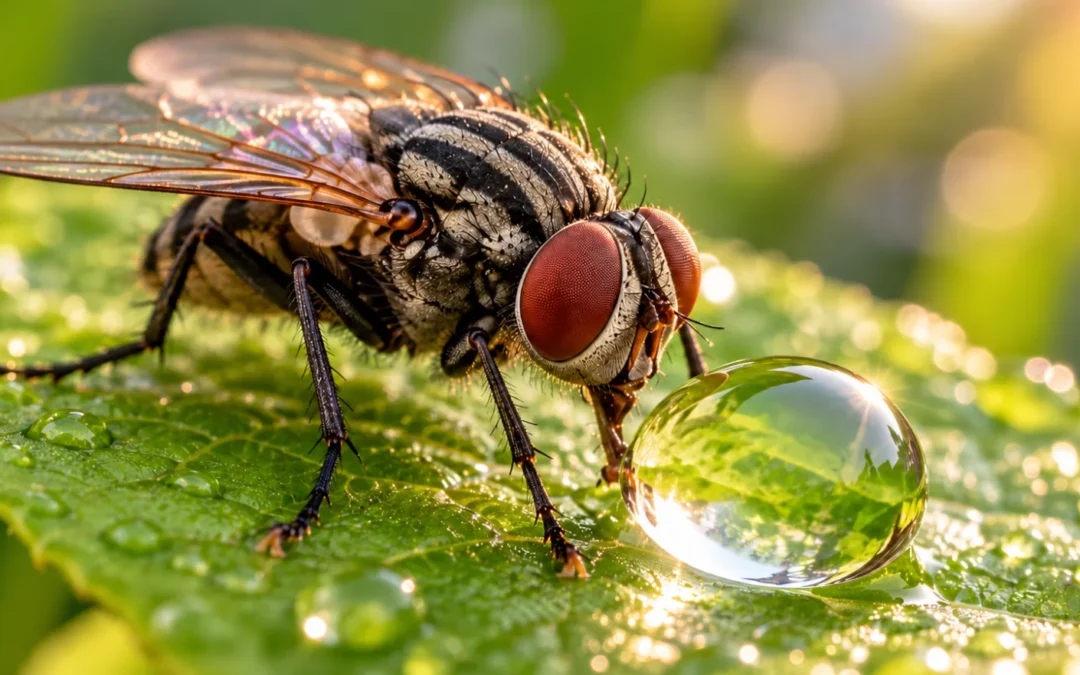
There are so many flies in your house because flies come in looking for food, moisture, or a place to lay eggs, and they may be breeding somewhere nearby without you noticing. Overripe fruit, food scraps, dirty trash cans, spilled drinks, and residue in recycling bins attract them, and open doors or damaged screens make getting inside easy. Outdoor garbage, compost, and animal waste can also draw them in, especially in warm weather.
Why Flies Keep Showing Up
You know the feeling. You swat a fly, turn around, and somehow there is another one buzzing around your kitchen. Before long, you are wondering where they are all coming from and how to get rid of them for good.
What Brings Flies Indoors
Flies usually enter your home looking for food, moisture, or a place to lay their eggs. Sometimes they come in through an open door or a damaged window screen. Other times, they are breeding somewhere nearby, and you may not even realize it.
The first step to getting rid of flies is figuring out what kind you have and what is attracting them.
TL;DR: Flies come into your home for food, moisture, and places to lay eggs, so finding the type of fly and the source is the key to getting rid of them.
- Why they come in: overripe fruit, food scraps, dirty trash cans, spilled drinks, and recycling residue. They also enter through open doors and damaged screens.
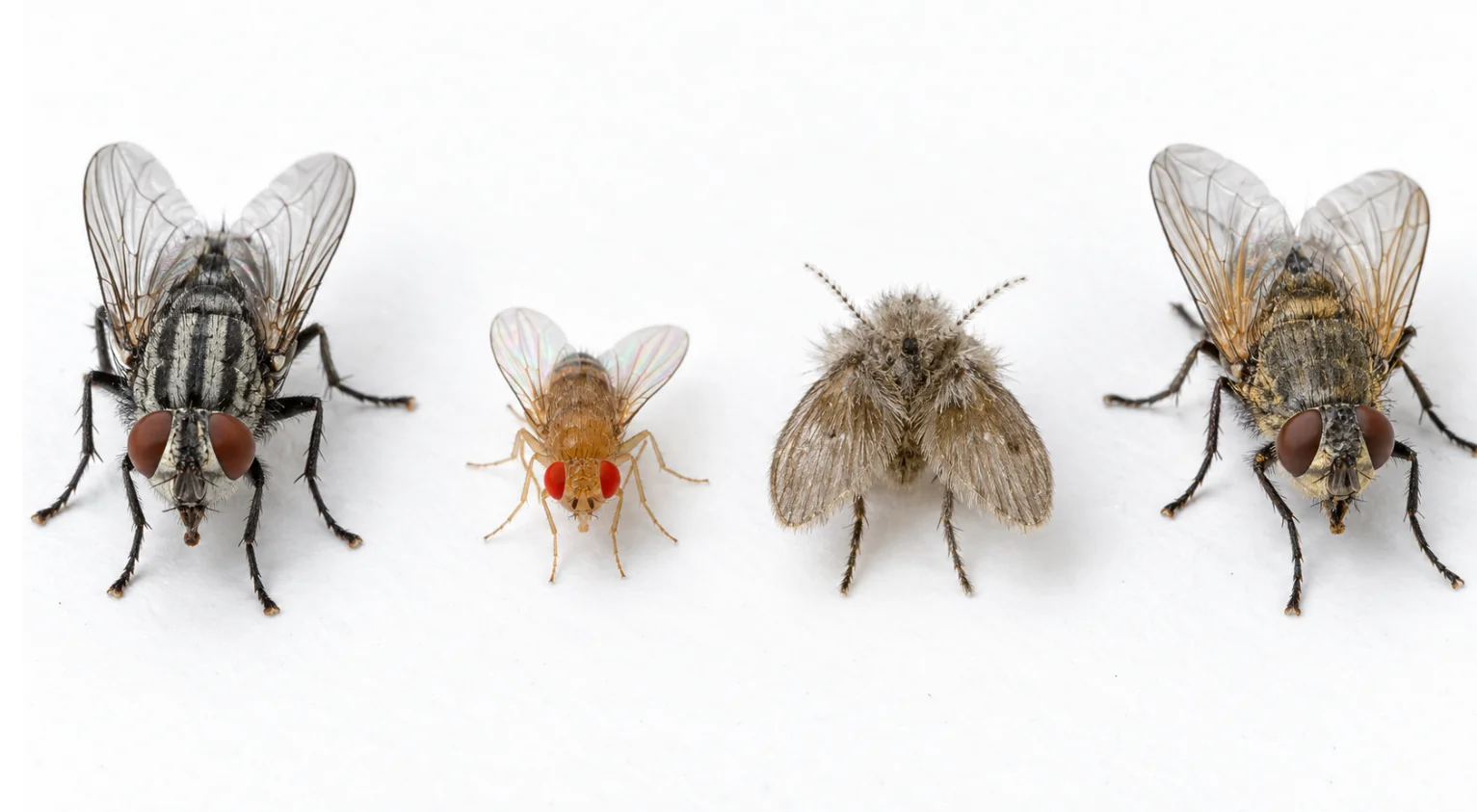
- House flies: gray and larger than fruit flies, found around kitchens, windows, garbage cans, and outdoor waste. They can carry germs onto food.
- Fruit flies: tiny, found around ripe fruit, sinks, recycling bins, and sticky spills. Store ripe fruit in the refrigerator and clean where they gather.
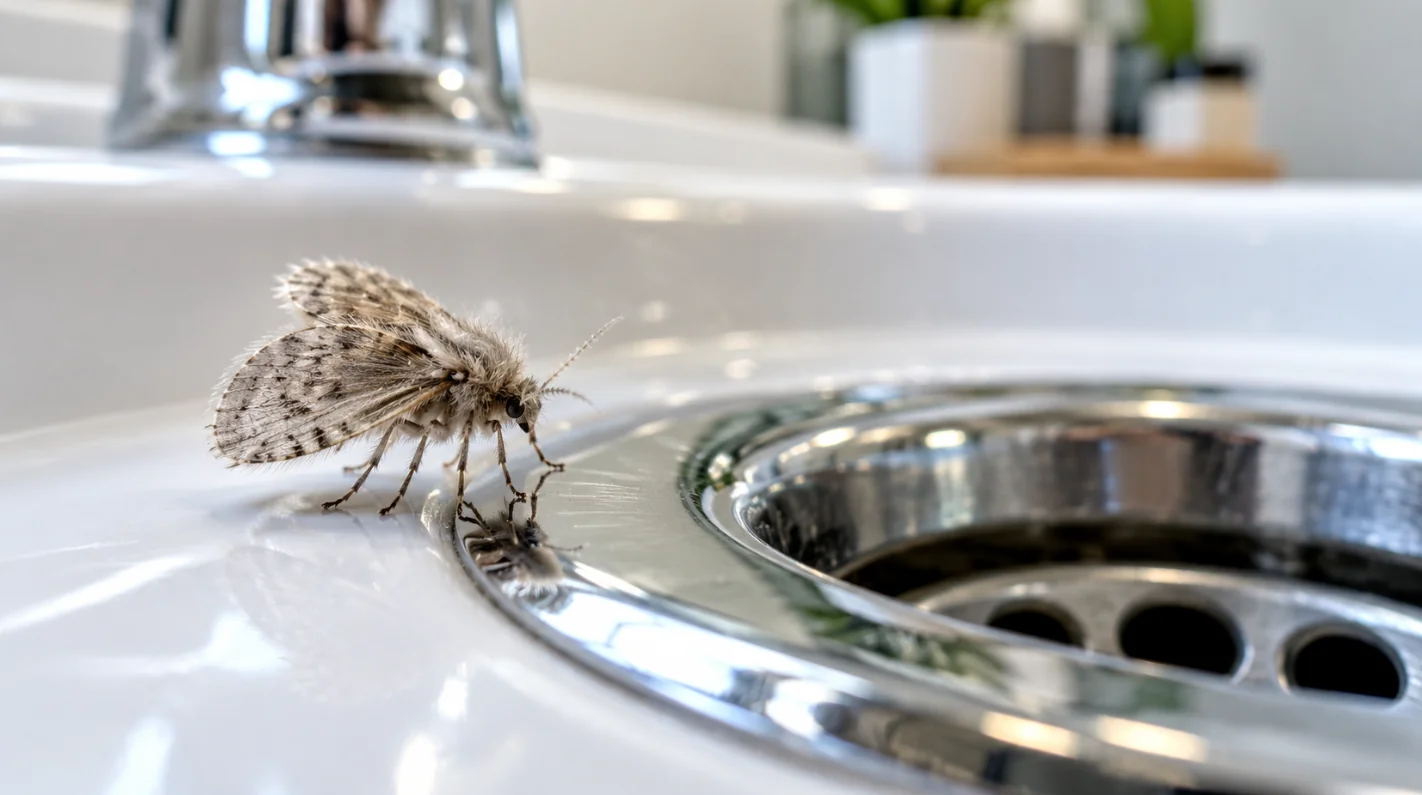
- Drain flies: small, fuzzy, and moth-like, found near sinks, showers, and drains. They breed in organic buildup inside drains.
- Cluster flies: large flies that appear around windows in fall or spring and can gather in attics and wall cavities. Seal gaps around windows and siding.
- Getting rid of them: empty trash, clean spills, seal food, wash garbage cans, repair screens and weatherstripping. Traps and sticky strips won’t help if flies keep breeding nearby.
- Bigger concern: dozens of flies in a closed room may point to a breeding source such as garbage, animal waste, or decaying material. Large flies in one room could mean a dead animal in an attic, wall, or chimney.
- When to call a pro: if cleaning and removing food sources don’t work, or flies seem to come from an area you can’t reach. With pets, tell your provider before treatment.
Why Are Flies Suddenly Appearing in My House?
Common Indoor Attractants
A sudden increase in flies can be caused by several things:
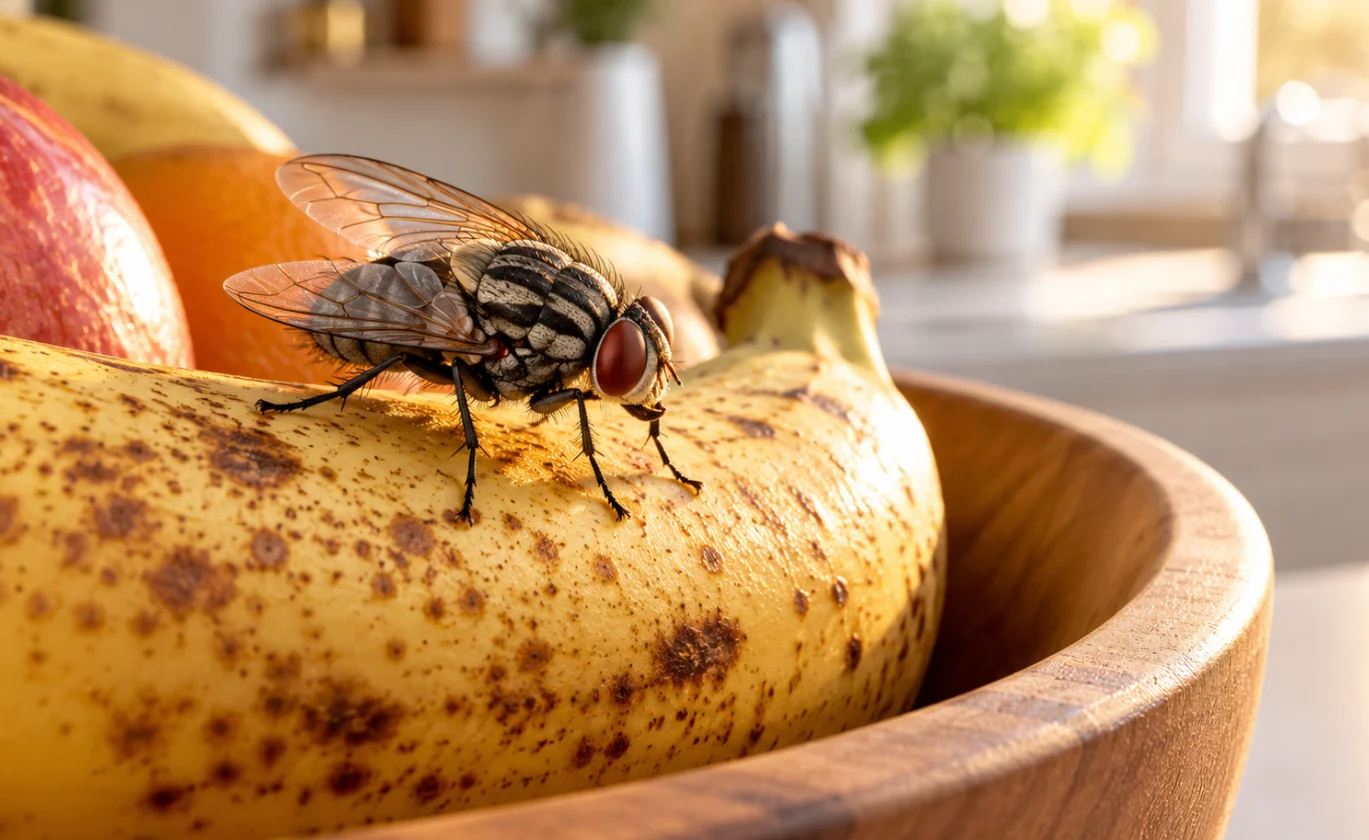
- Overripe fruit, food scraps
- Dirty trash cans
- Spilled drinks
Even a little food residue inside a recycling bin can be enough to draw them in.
Flies Coming From Outside
Flies may also come from outside. Garbage bins, compost, and animal waste near your home can attract them, especially during warmer weather. If your doors and windows are not properly sealed, getting inside is easy.
When Flies Persist After Cleaning
If you keep seeing flies even after cleaning, there may be a breeding source somewhere in your home. Checking drains, pantry shelves, and areas around trash cans is a good place to start.
What Kind of Flies Are in My House?
Not all flies are attracted to the same things. Knowing which type you are dealing with can make it much easier to address the problem.
1. House Flies
House Fly Appearance and Habitat
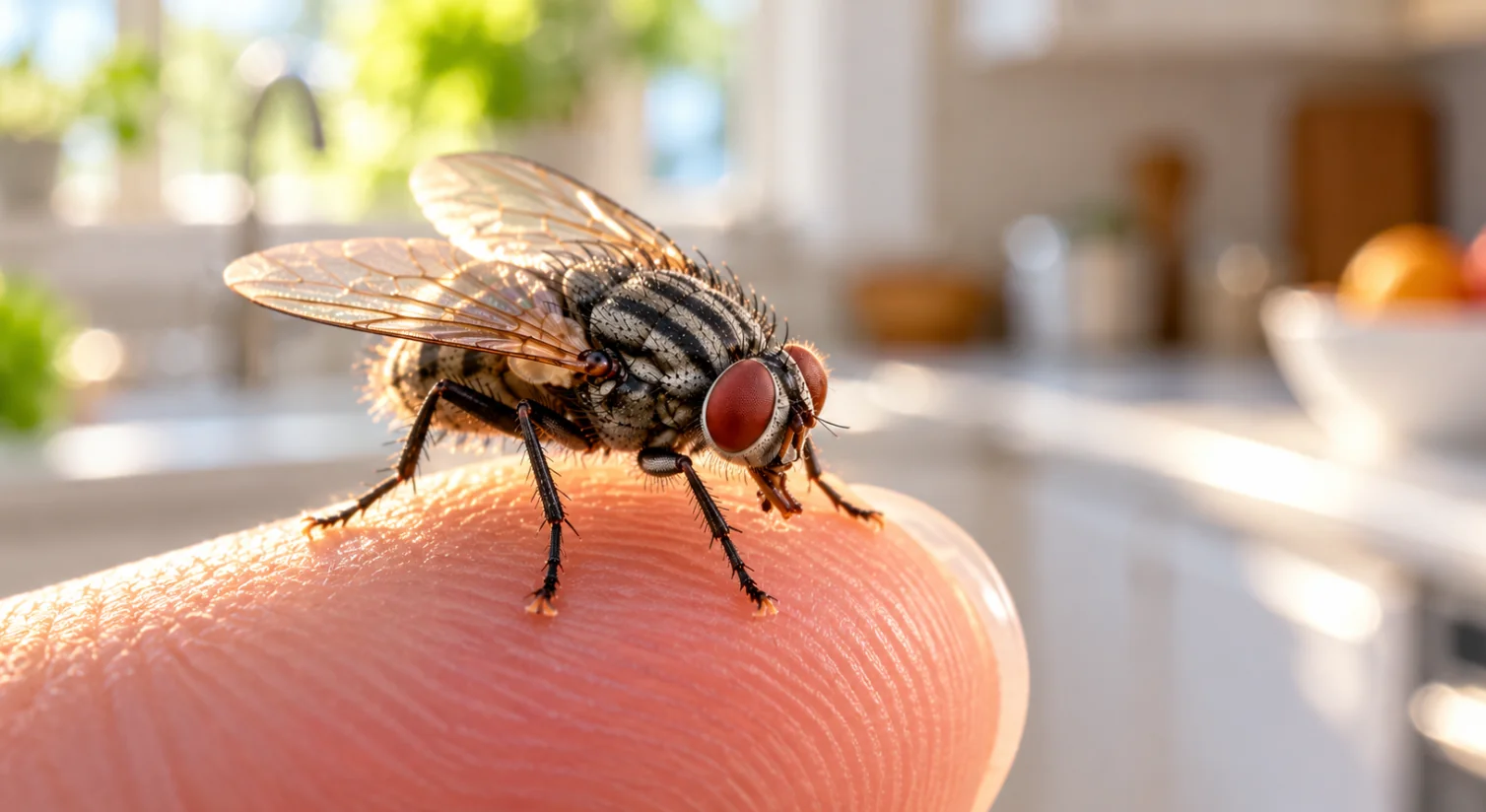
House flies are usually gray and larger than fruit flies.
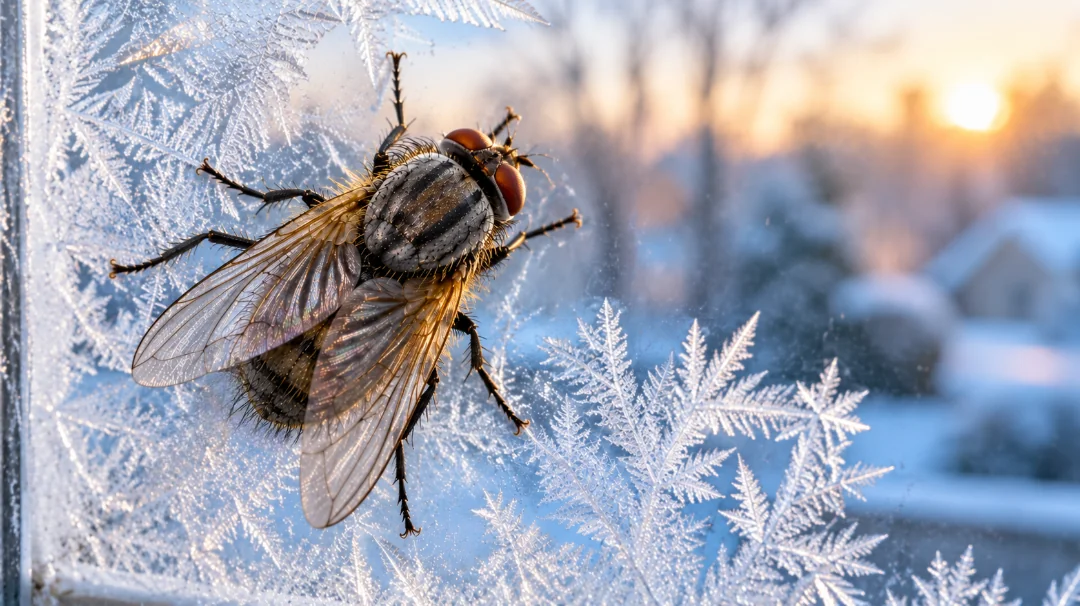
House flies commonly gather around:
- Kitchens
- Windows
- Garbage cans
- Outdoor waste
House Flies and Food Safety
Because house flies can carry germs onto food and food preparation surfaces, it is best to keep food covered, clean up spills, and take the trash out regularly.
Checking Screens and Entry Points
If you are seeing several house flies indoors, check your window screens and look for possible entry points.
2. Fruit Flies
Where Fruit Flies Gather
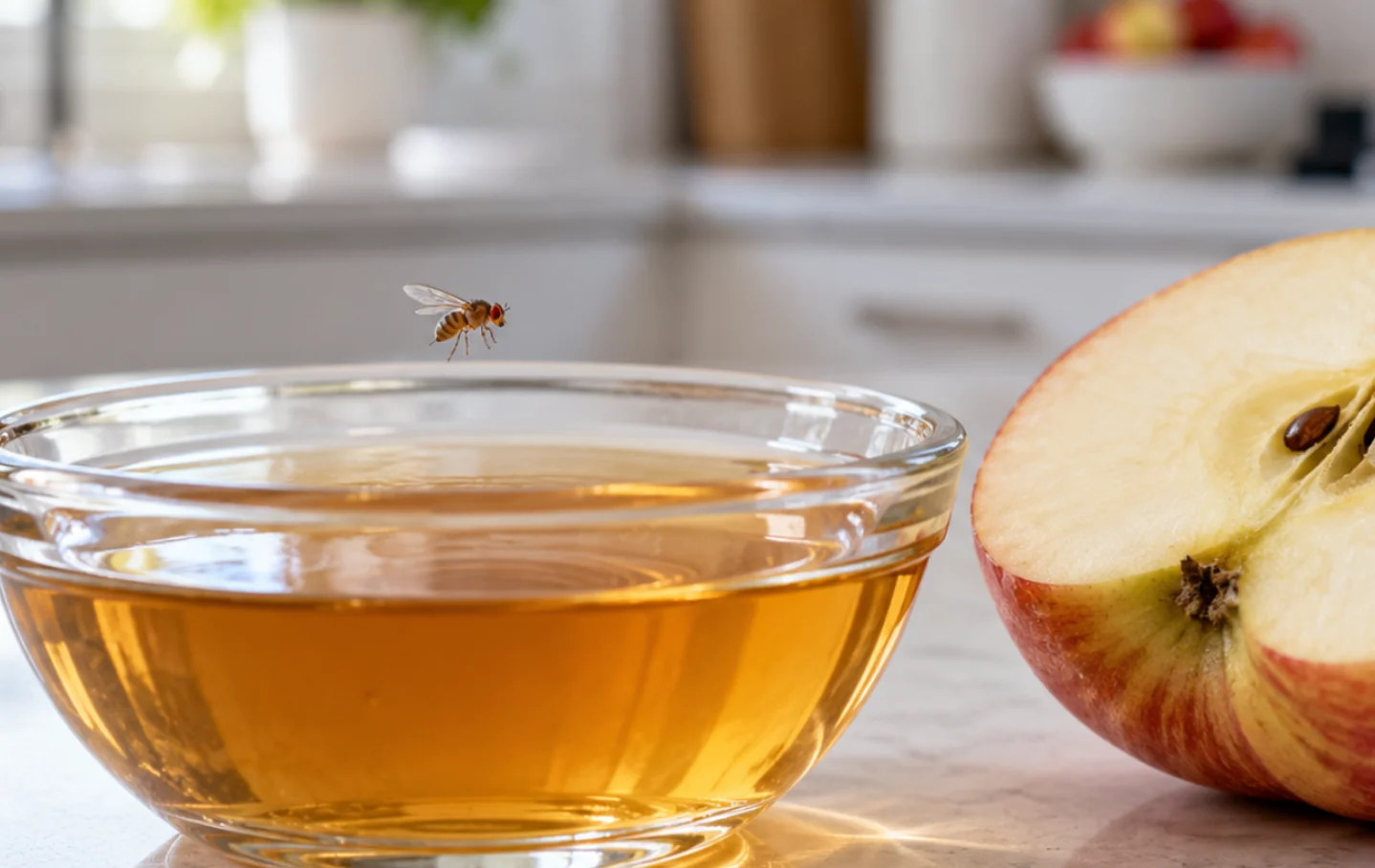
Fruit flies are tiny, but they can become a big annoyance in a short amount of time.
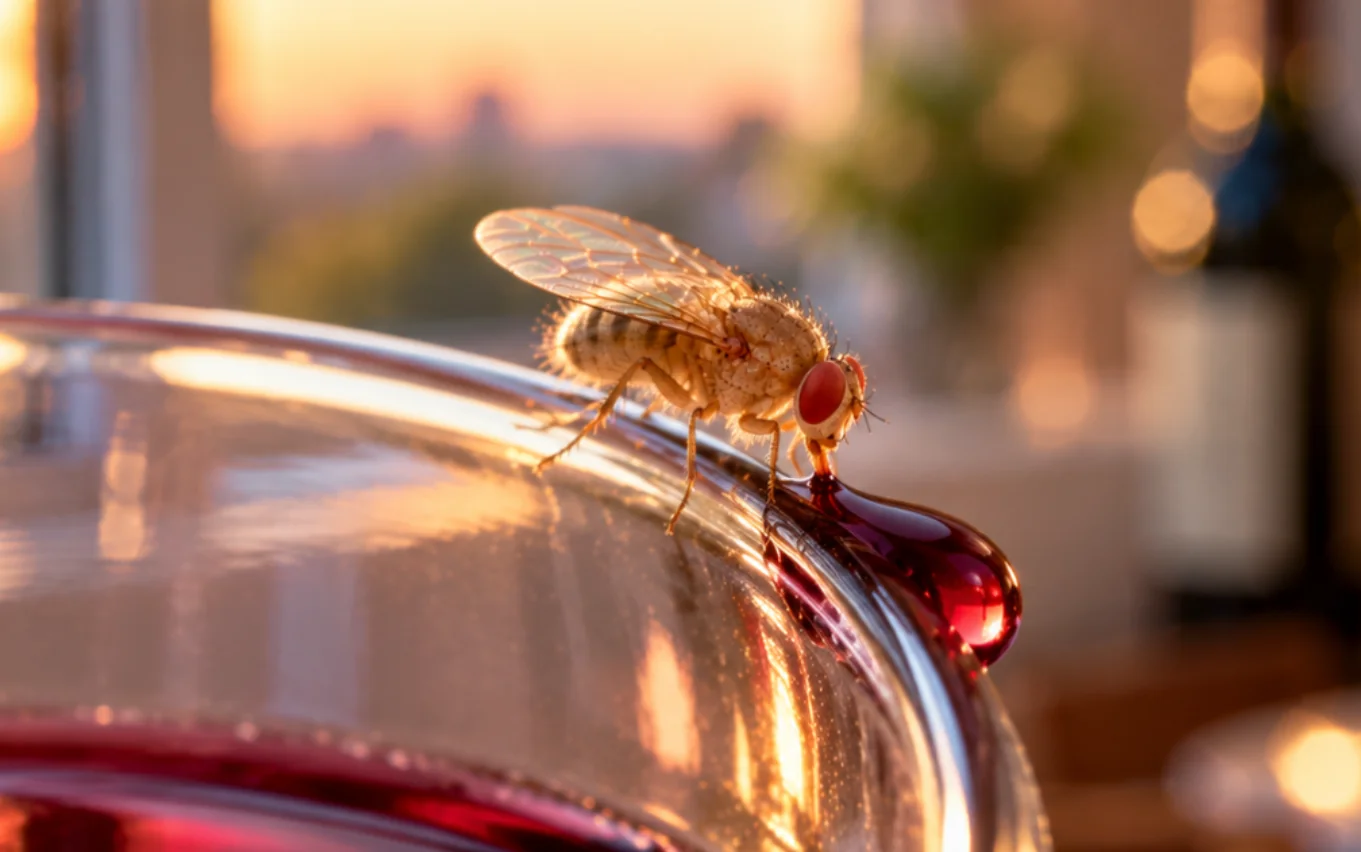
Fruit flies are often found around:
- Ripe fruit
- Kitchen sinks
- Recycling bins
- Sticky spills
What to Check and Clean
Check for forgotten produce, leftover juice, and residue inside bottles or cans. Store ripe fruit in the refrigerator and clean the areas where the flies gather.
Finding the Breeding Source
If they keep coming back, there may be a breeding source you have missed. Getting rid of the source is much more effective than chasing every tiny fly around the kitchen.
3. Drain Flies
Drain Fly Appearance and Location
Drain flies are small, fuzzy insects that look a little like tiny moths.
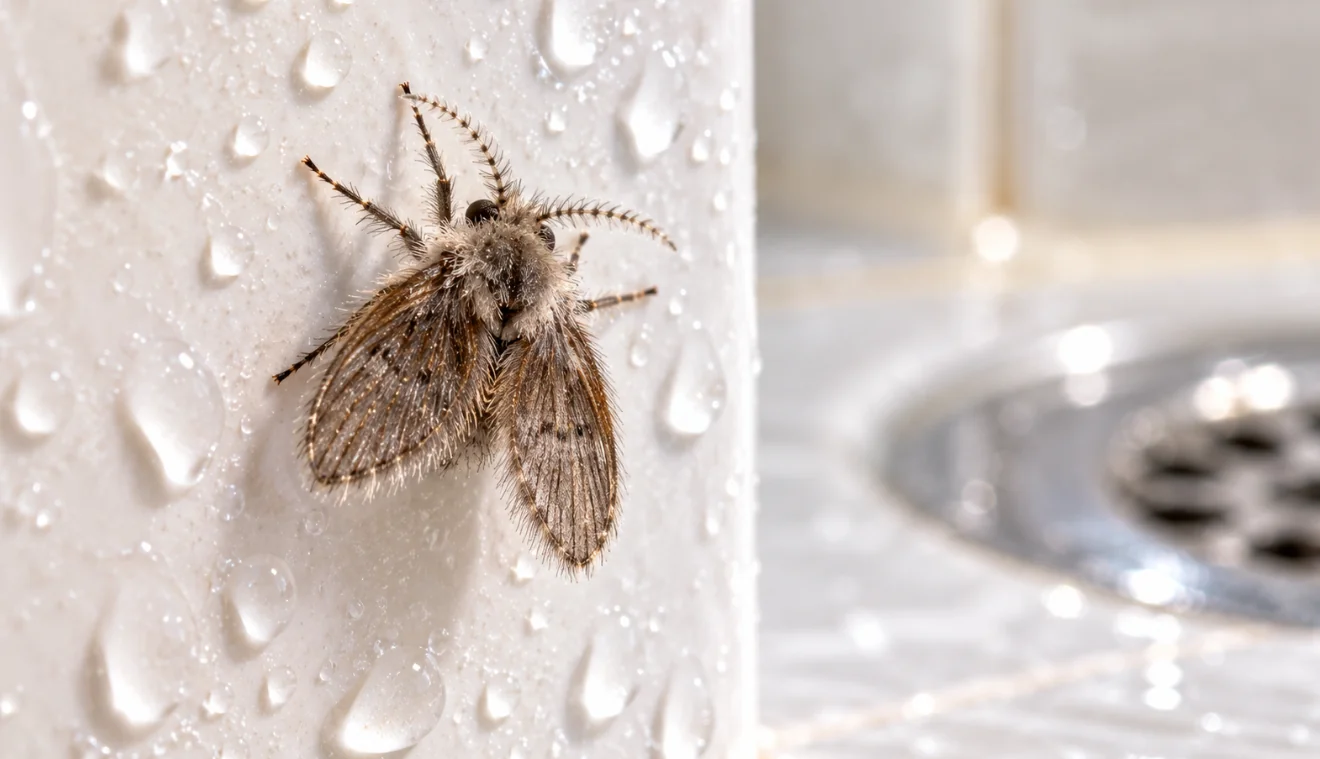
You will often find drain flies near:
- Bathroom sinks
- Showers
- Kitchen drains
- Floor drains
Why Drain Flies Breed in Drains
They breed in the organic buildup that collects inside drains. Simply running water down the sink may not remove enough of that material to solve the problem.
Cleaning Drains and Spotting Plumbing Issues
Clean the inside of the drain where accessible. If the flies continue to appear, there may be another breeding site or a plumbing issue that needs attention.
4. Cluster Flies
When Cluster Flies Appear
If large flies suddenly start appearing around your windows, particularly in fall or spring, cluster flies may be the reason.
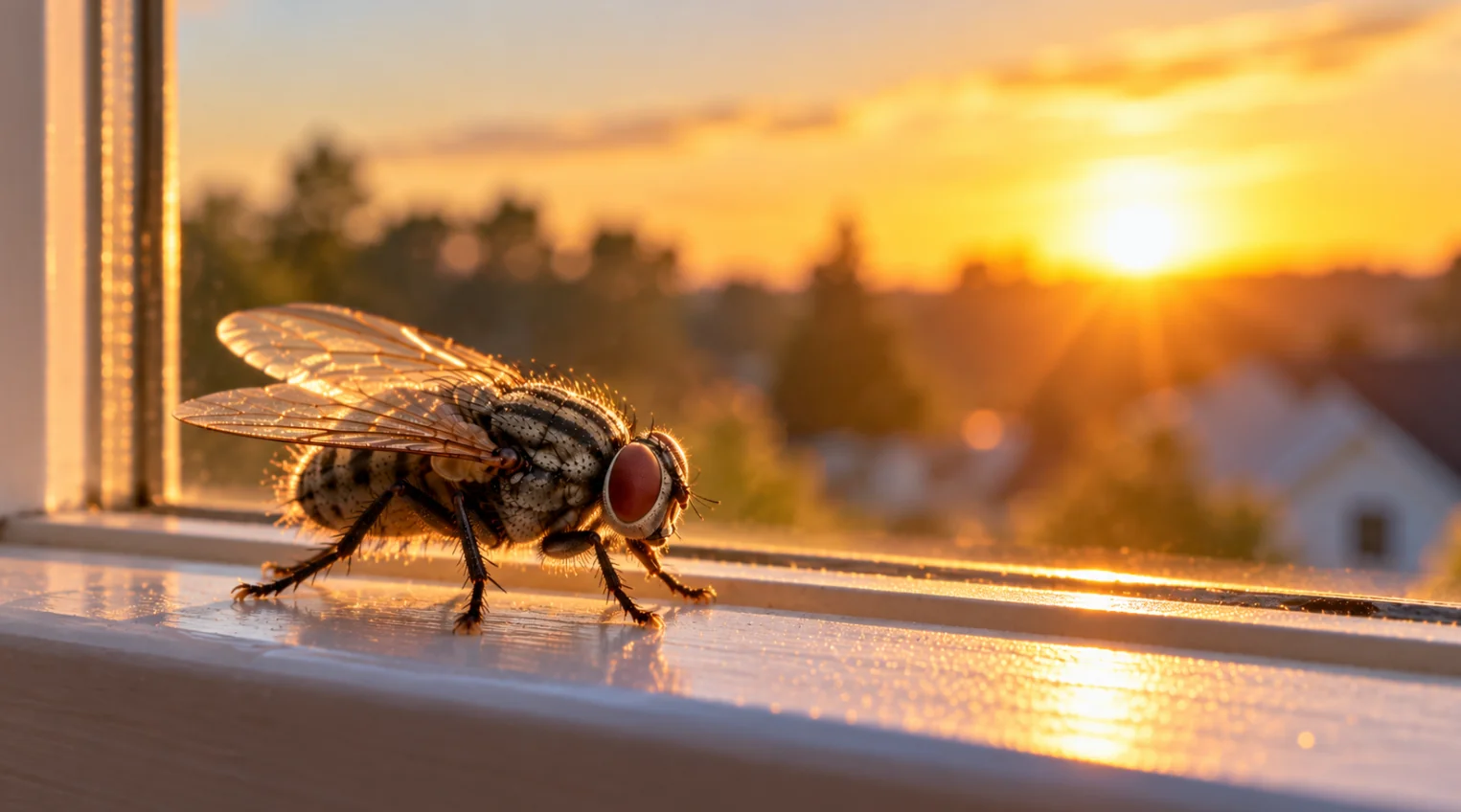
Where Cluster Flies Hide
These flies can gather in sheltered spaces such as attics and wall cavities. They may become noticeable indoors when temperatures change, even if you have kept your windows closed.
Sealing Entry Points
Sealing gaps around windows, siding, and other entry points can help prevent them from getting inside.
How to Get Rid of Flies in Your House
Remove What Attracts Flies
Start by removing anything that might be attracting them:
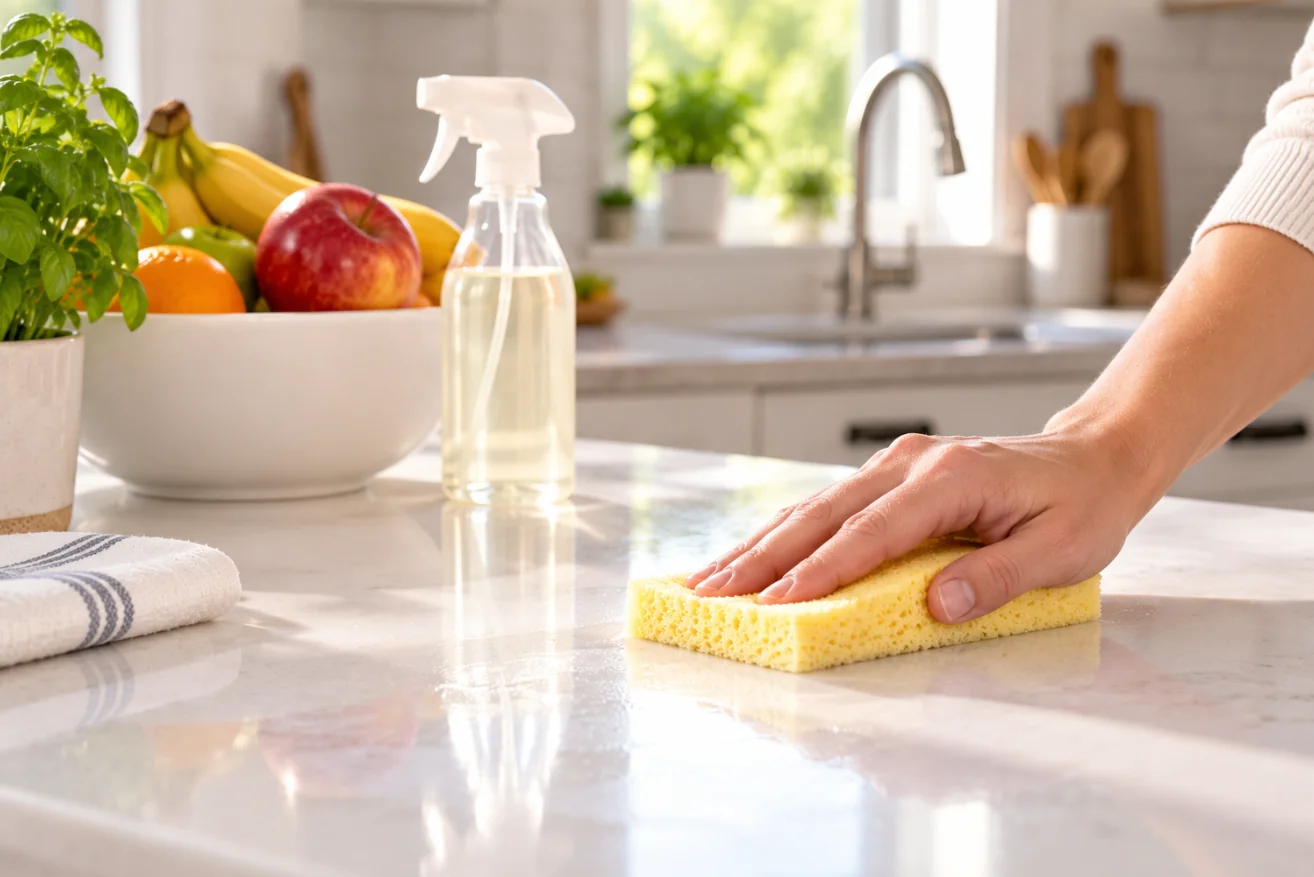
- Empty your trash regularly
- Clean up food spills
- Store food in sealed containers
- Wash dirty garbage cans
Match the Fix to the Fly
Different flies have different breeding sites, so the solution depends on what you are dealing with:
- If you have fruit flies, check your produce and recycling.
- If you have drain flies, focus on cleaning the buildup inside your drains.
Seal Off Entry Points
Next, check how flies might be entering your home. Repair torn window screens, replace damaged weatherstripping, and avoid leaving doors open longer than necessary.
Fly traps and sticky strips can help catch adult flies, but they will not solve the problem if more are breeding nearby. If you keep seeing new flies, finding the source should be your priority.
When Is a Fly Problem a Bigger Concern?
A Few Flies vs. Dozens
A few flies coming through an open door are not unusual. However, finding dozens of flies in a room with closed windows is worth investigating.
Possible Nearby Breeding Sources
A sudden increase may indicate a nearby breeding source, such as garbage, animal waste, or decaying organic material. If large flies keep appearing in the same room, a dead animal in an attic, wall cavity, or chimney is another possibility.
Clues That Help Find the Source
Pay attention to where the flies gather and how quickly they return after cleaning. These clues can help you narrow down the source.
Keeping Flies Off Food
It is also important to keep flies away from food and kitchen surfaces since they can spread germs.
When Should You Call a Pest Control Professional?
When Cleaning Isn’t Enough
If you have cleaned your home, removed obvious food sources, and still cannot get rid of the flies, it may be time to call a pest control professional. This is especially helpful when flies keep appearing in large numbers or seem to be coming from an area you cannot easily access.
Professional Identification and Treatment
Green Pest Management can help identify the pest problem and discuss appropriate treatment options. Addressing the source is important because treating only the flies you see may not prevent more from appearing.
Pet Precautions During Treatment
If you have pets, let your provider know before treatment and ask what precautions are needed. Green Pest Management or your local pest control company can explain the available options and any instructions for keeping pets away from treated areas. Always follow the product label and your provider’s guidance.
Flea and Tick Services
While discussing pest concerns around your property, you can also ask about other services that may be useful, such as flea control or tick yard treatments, depending on what your local provider offers.
Keep Flies From Taking Over Your Home
Reading the Clues
If you are wondering why there are so many flies in your house, start by looking at:
- The type of fly
- Where it gathers
- What might be attracting it
Fruit flies often point to fermenting food, drain flies are commonly associated with buildup inside drains, and larger flies may be entering from outside or breeding nearby.
Simple Changes to Try First
A few simple changes may be enough to solve the problem. If the flies keep returning, though, there may be a source you have not found.
Getting Help
You have better things to do than spend your evening playing flyswatter champion. If you need help getting the problem under control, Green Pest Management can help you determine what is happening and discuss the next steps.
Flies: Questions & Answers
Where do flies come from?
Flies come from eggs laid by adult flies in places where their larvae can find food. Houseflies commonly lay eggs in garbage, animal waste, and decaying organic matter. Fruit flies breed in fermenting fruits and other moist, sugary materials, while drain flies develop in organic buildup inside drains. Flies can enter homes through open doors, windows, and damaged screens. If flies keep appearing indoors, a nearby breeding source may be allowing new adults to emerge.
Can flies bite?
Yes, some flies can bite, but many common household flies cannot. Houseflies and fruit flies do not bite people because their mouthparts are not designed to pierce skin. Horse flies, deer flies, black flies, and stable flies can bite and feed on blood. Their bites may cause pain, itching, redness, or swelling. Some biting fly species can also transmit diseases, although the risks depend on the species and geographic location.
Why do flies bite?
Some flies bite because they need blood to reproduce or survive. Female horse flies, deer flies, and black flies typically feed on blood to obtain nutrients needed for egg development. Stable flies are different because both males and females feed on blood. Biting flies locate hosts using cues such as carbon dioxide, body heat, movement, and odors. Most biting flies are seeking a blood meal rather than attacking people in self-defense.
How long do flies live indoors?
Adult houseflies typically live around 15 to 30 days under favorable conditions, although their lifespan varies with temperature, food availability, and other environmental factors. Warm indoor conditions with access to food and water can help them survive longer. Without sufficient food or moisture, they may die much sooner. Fruit flies generally live for several weeks as adults under favorable conditions. If flies continue appearing for weeks, new adults may be emerging from an indoor breeding source rather than the same flies surviving.
Why do flies exist?
Flies play important roles in ecosystems, even though some species are household pests. Many fly larvae help break down dead plants, animal remains, and waste, returning nutrients to the environment. Adult flies also pollinate flowers and provide food for birds, spiders, frogs, and other animals. Some species help control pest populations because their larvae feed on other insects. Although certain flies spread pathogens or cause painful bites, many species contribute to decomposition, pollination, and natural food webs.
Sources
- University of Maryland Extension, Flies Indoors
- University of Maryland Extension, Fruit Flies
- University of Maryland Extension, Drain Flies
- University of California Statewide Integrated Pest Management Program, Flies