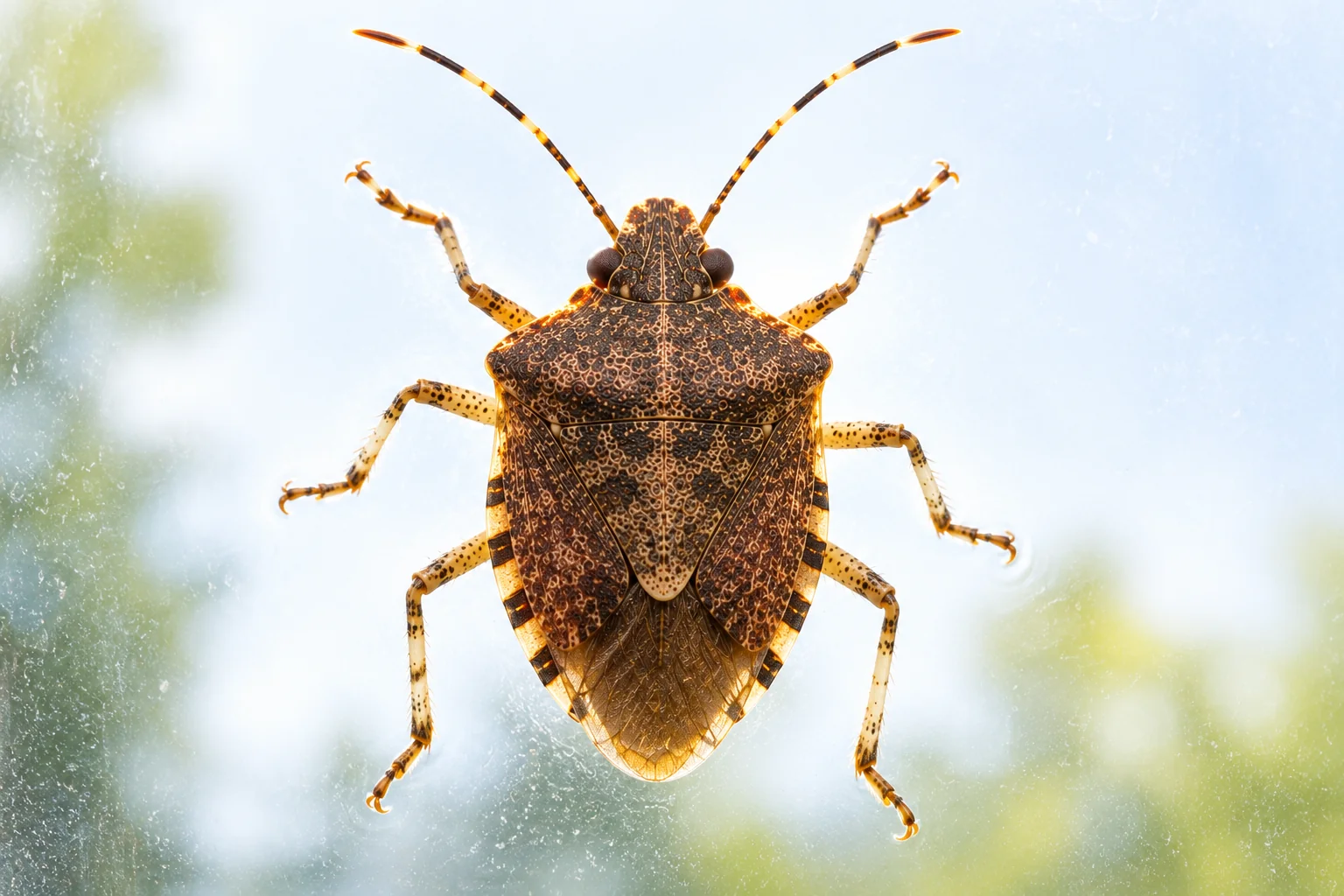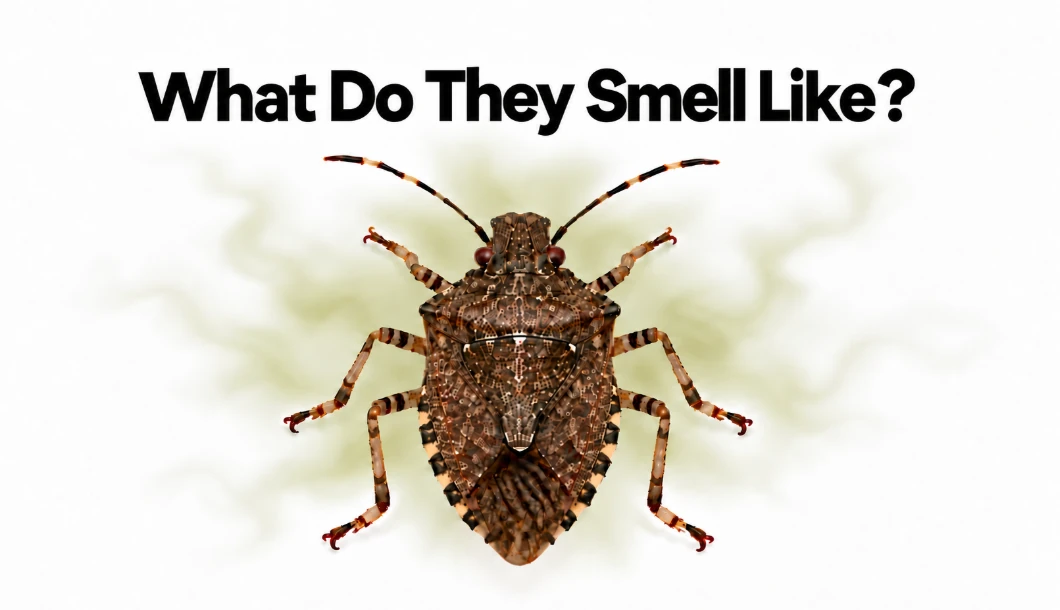
Stink bugs smell sharp, bitter and herbal, a mix that many people compare to cilantro, rotting garbage or dirty socks. The odor is a defensive spray the bug releases when it is squished or frightened. It is not toxic to people, so don’t squeeze them: remove them with soapy water or a vacuum trap instead.
Learn About Stink Bug Odor – TL;DR
- What stink bugs smell like: a sharp, bitter, herbal odor that people compare to cilantro, rotting garbage or dirty socks.
- Is stink bug smell toxic? No. Stink bugs are not poisonous and don’t bite or sting. The liquid can irritate sensitive skin and eyes, and it can upset a pet’s stomach.
- Why stink bugs smell: the bug releases the odor from scent glands as a defense when it is squished, grabbed or frightened.
- Don’t squish stink bugs: crushing one spreads a lingering smell and a greasy residue onto your skin, fabric or walls.
- Smell on your hands: wash with dish soap and lukewarm water, then try baking soda, lemon juice or diluted vinegar.
- Smell in your home: ventilate, then clean each surface with soapy water, and wash fabrics with baking soda or vinegar.
- Stink bug removal without the smell: use a jar of soapy water, a light trap over a pan, or a vacuum fitted with a nylon stocking.
- Stink bug prevention: seal gaps around windows, doors and siding, and call a professional if they keep coming back through fall and winter.
Understanding Stink Bugs (Halyomorpha Halys)
- What Are Stink Bugs?
- Stink Bug Identification
- Why You See Stink Bugs In the Fall
- What do stink bugs smell like?
- Is Stink Bug Smell Toxic & Are Stink Bugs Poisonous?
- How do Stink Bugs Release the Smell, and Why?
- Why you shouldn’t squish or squeeze a stink bug
- How to Get Rid of Stink Bug Smell in Your Home
- How to Get Rid of Stink Bugs Without Causing a Smell
- Common Invasive Stink Bugs in the US
- Brown Marmorated Stink Bug
- Southern Green Stink Bug
- Bagrada Bug
- Professional Stink Bug Control
Stink Bug Questions Answered
What Are Stink Bugs?
Smelly Bugs With a Shield-Shaped Body
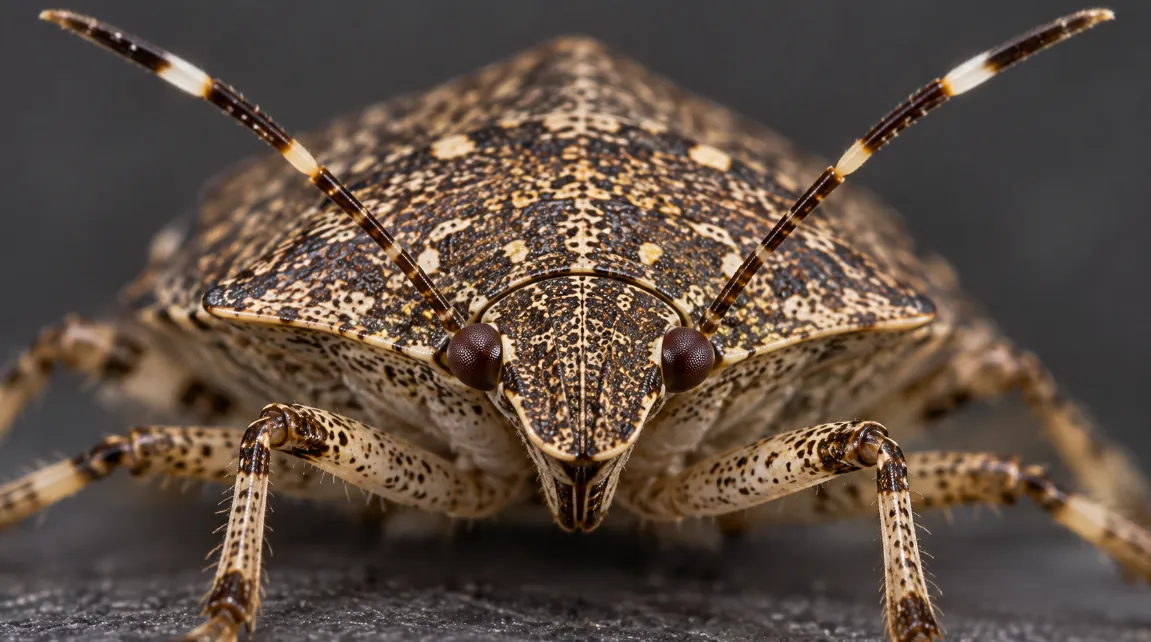
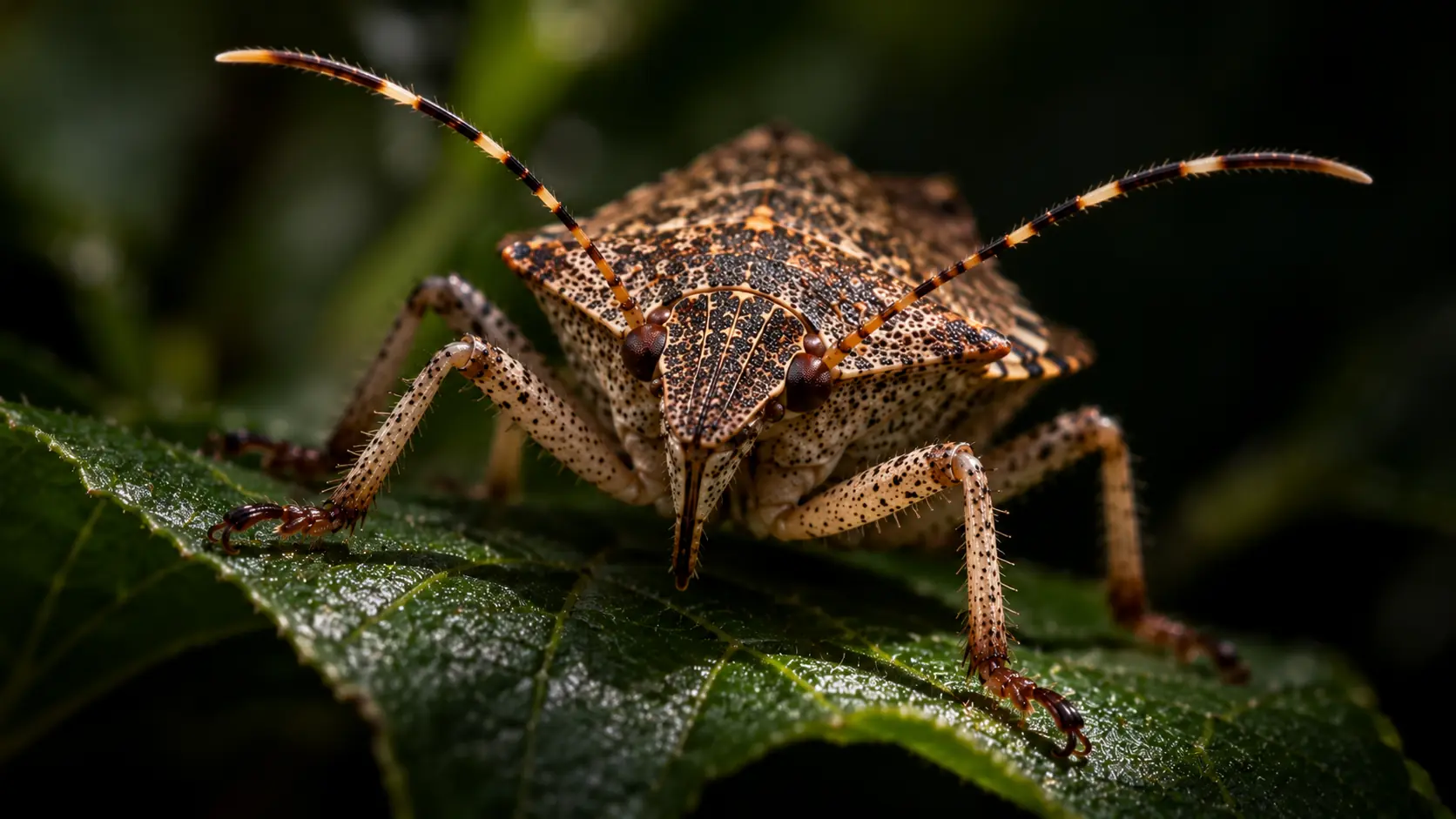
Stink bugs are insects belonging to the family Pentatomidae within the order Hemiptera, commonly known as true bugs. They are related to cicadas and aphids rather than beetles. Most stink bugs have broad, flattened, shield-shaped bodies in shades of green, brown, or gray. Depending on the species, adults generally measure between ¼ and 1 inch long.
Halyomorpha Halys
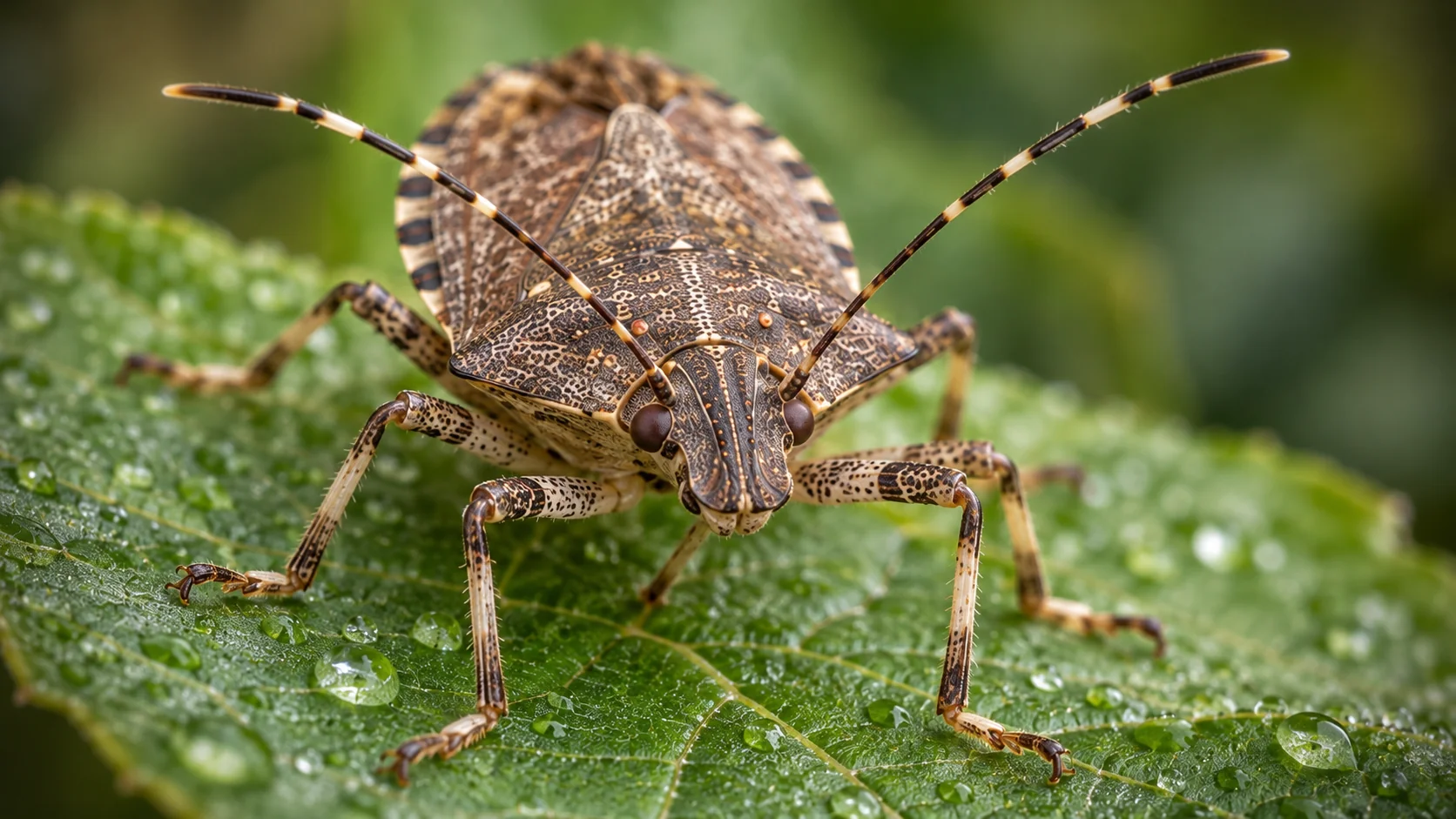
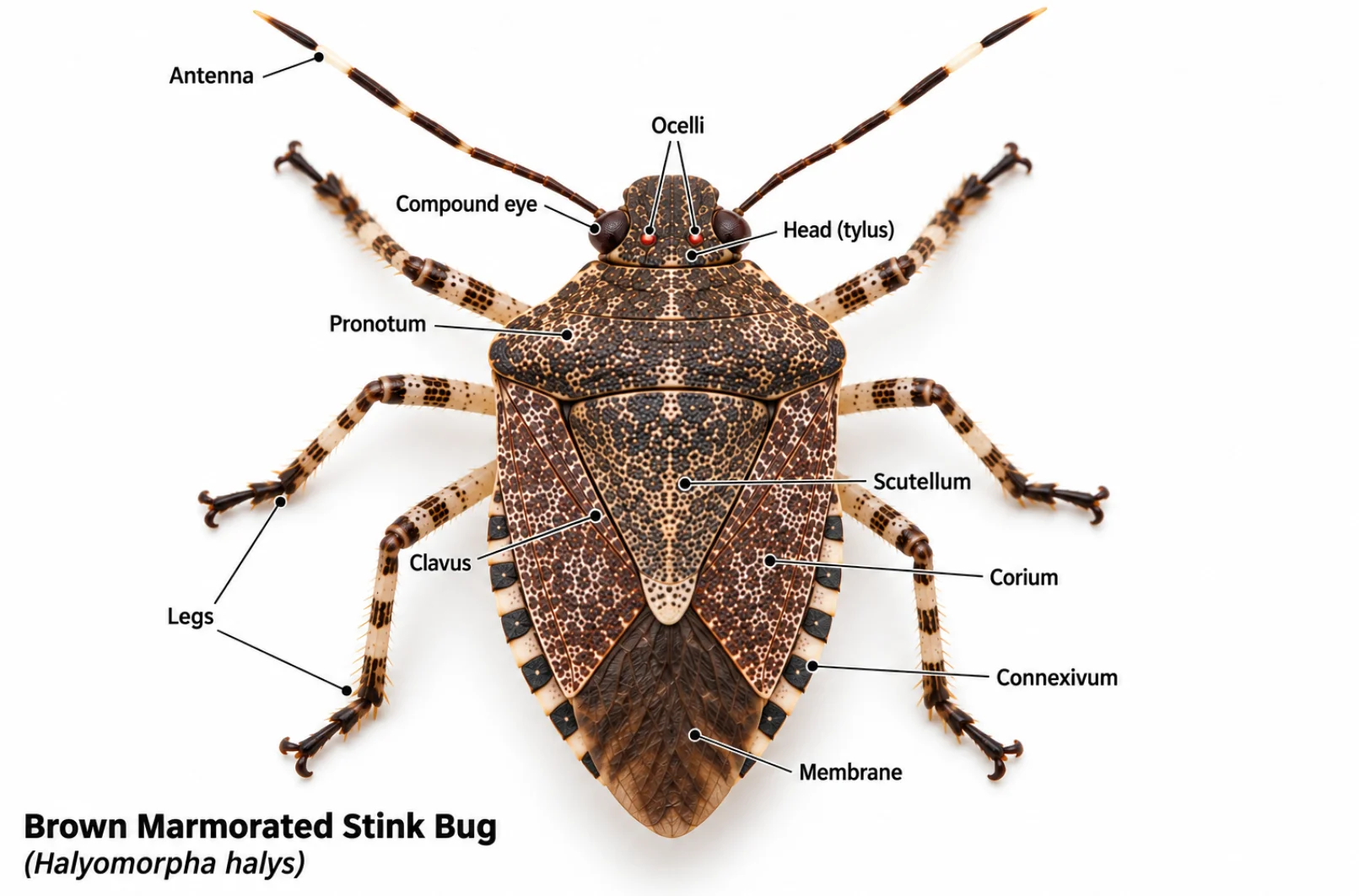
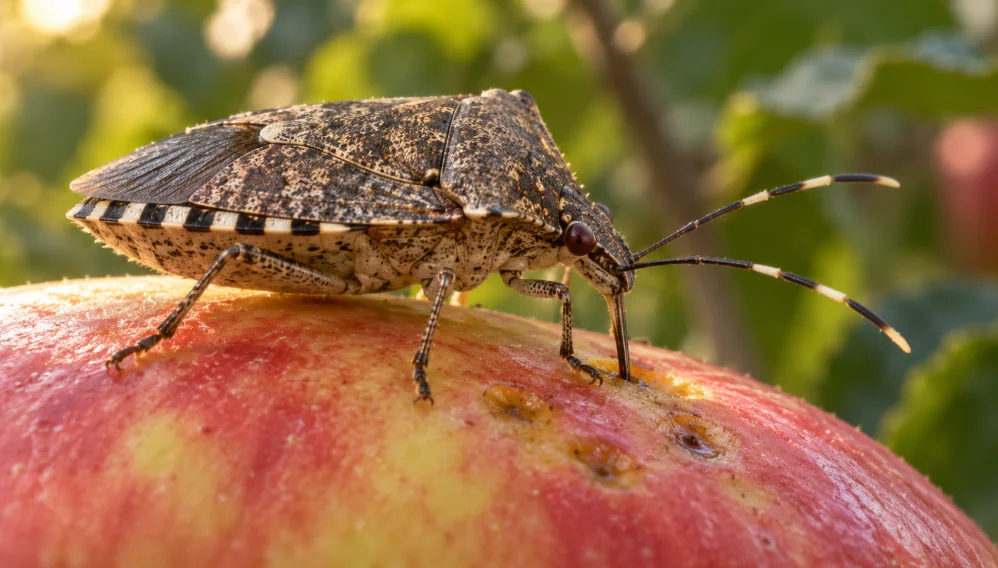
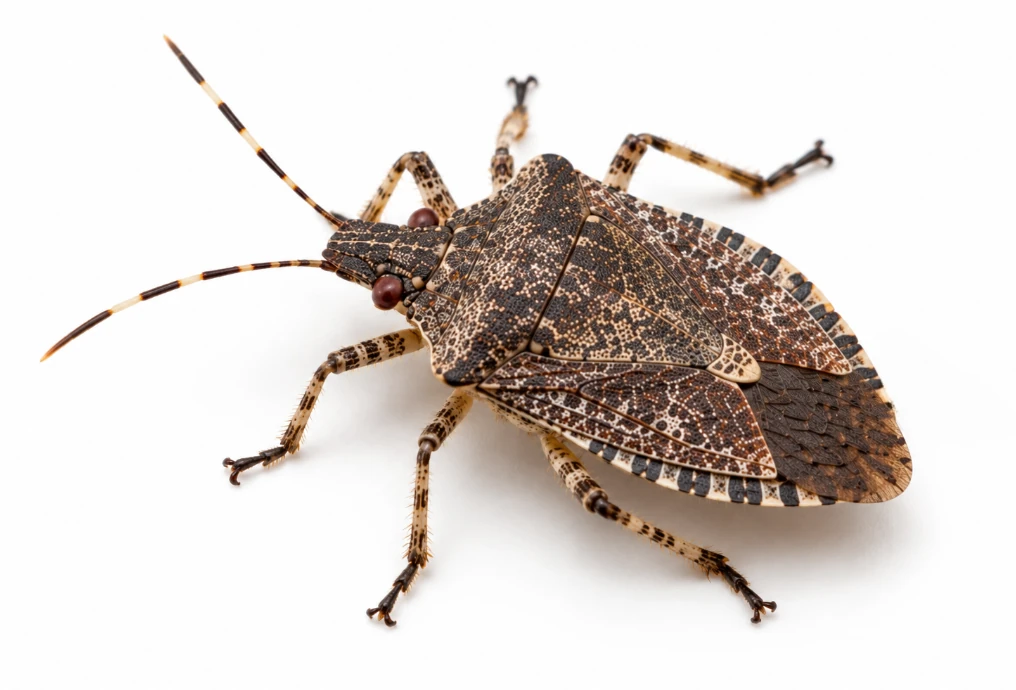
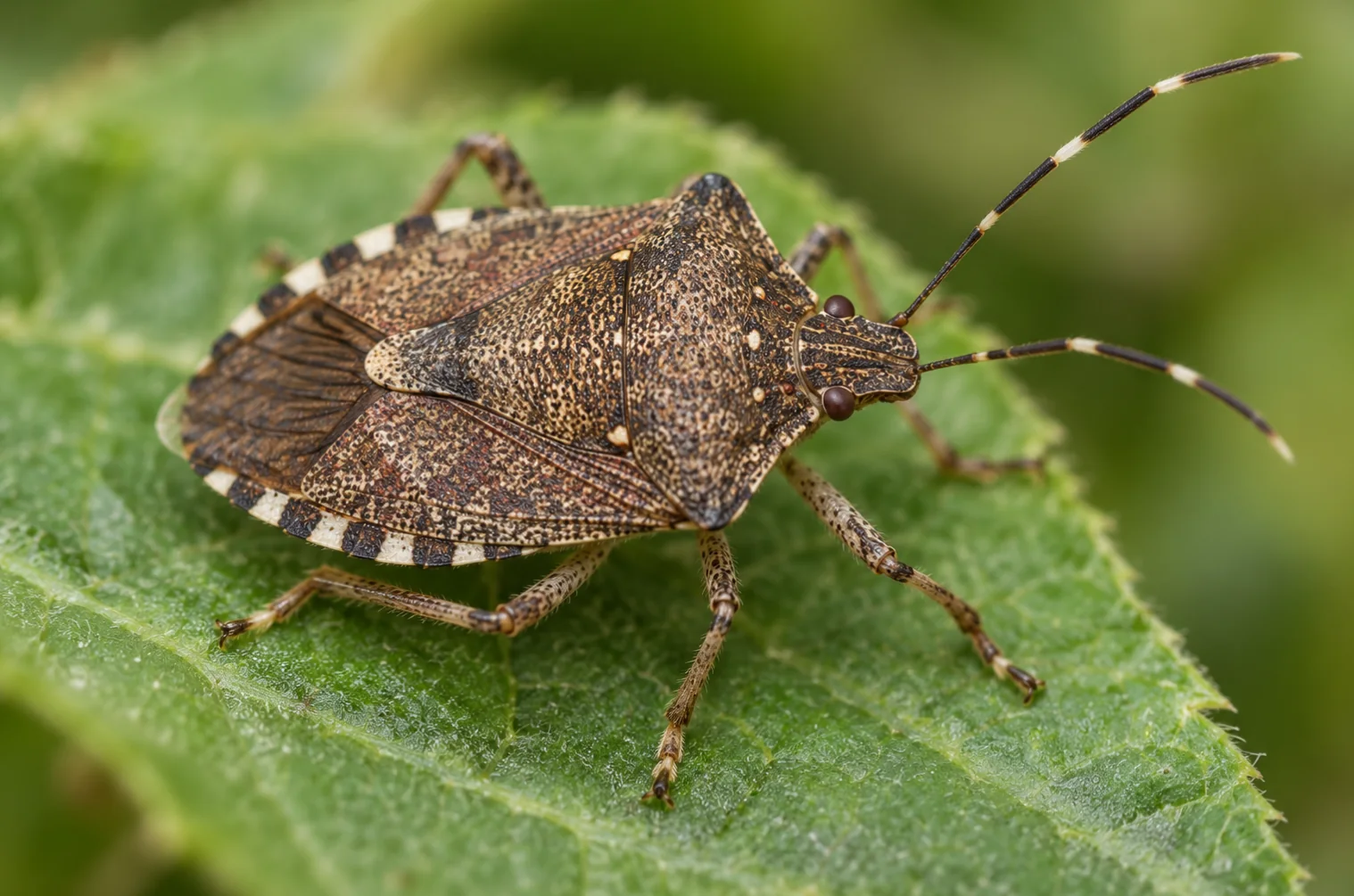
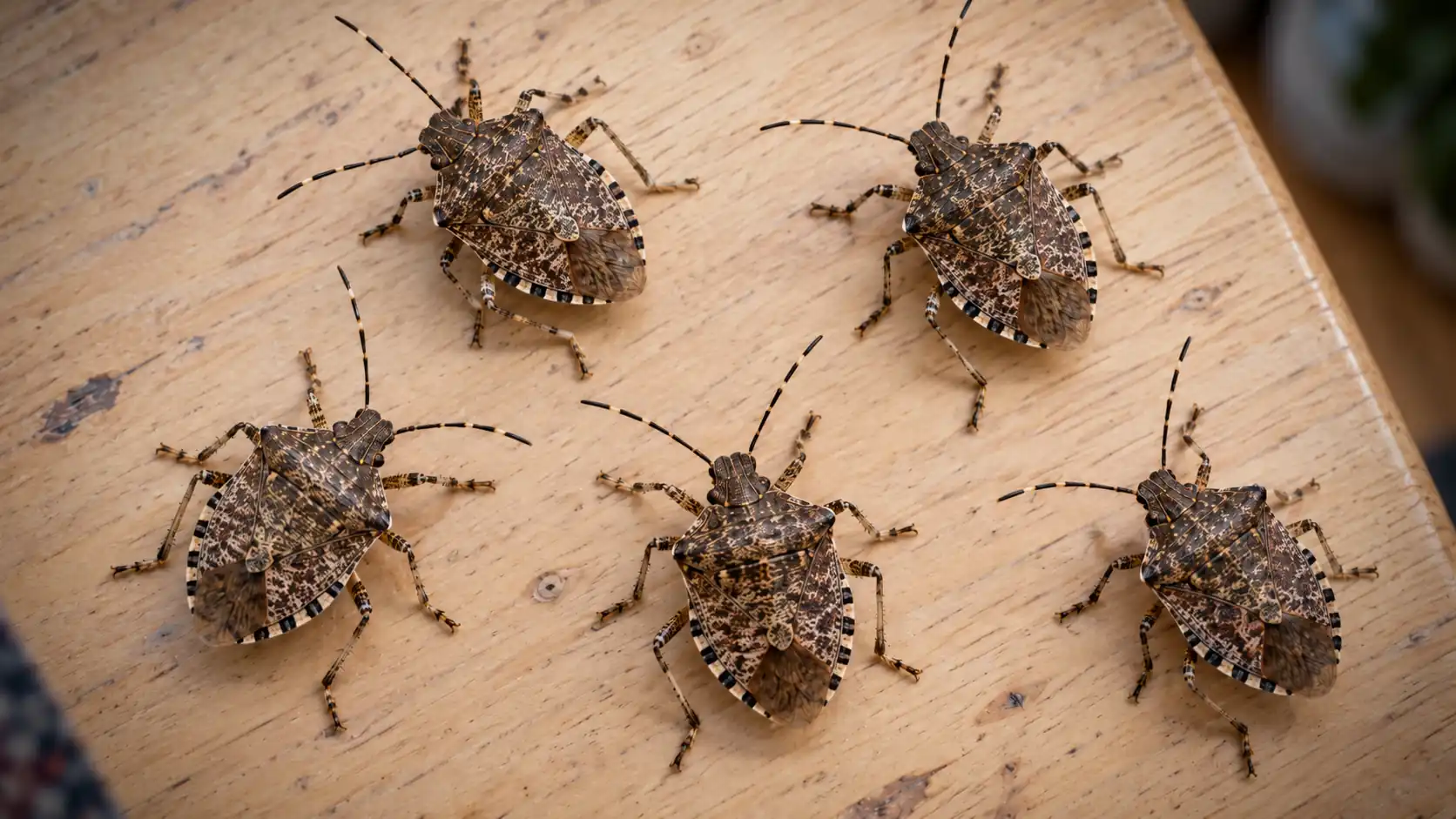
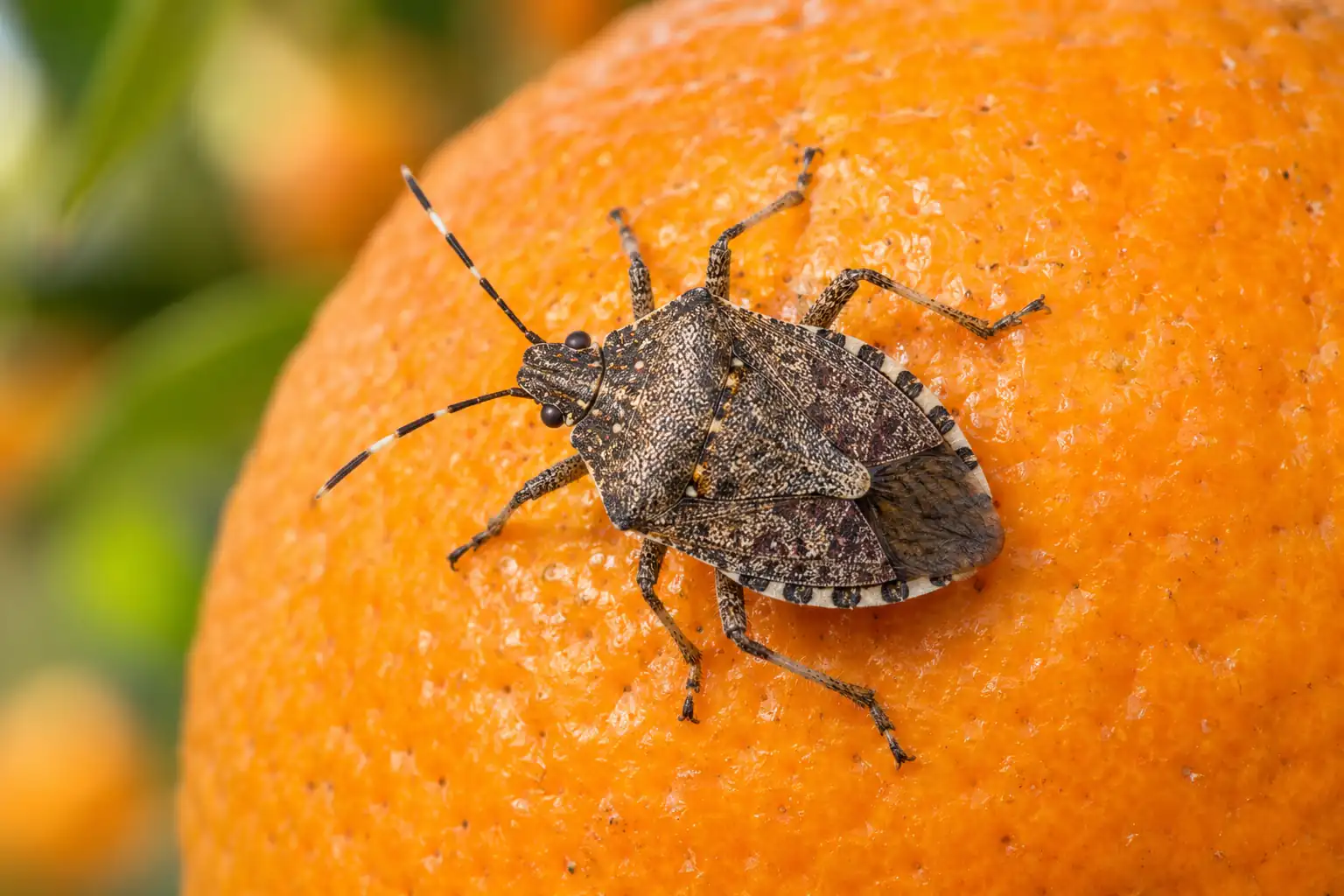
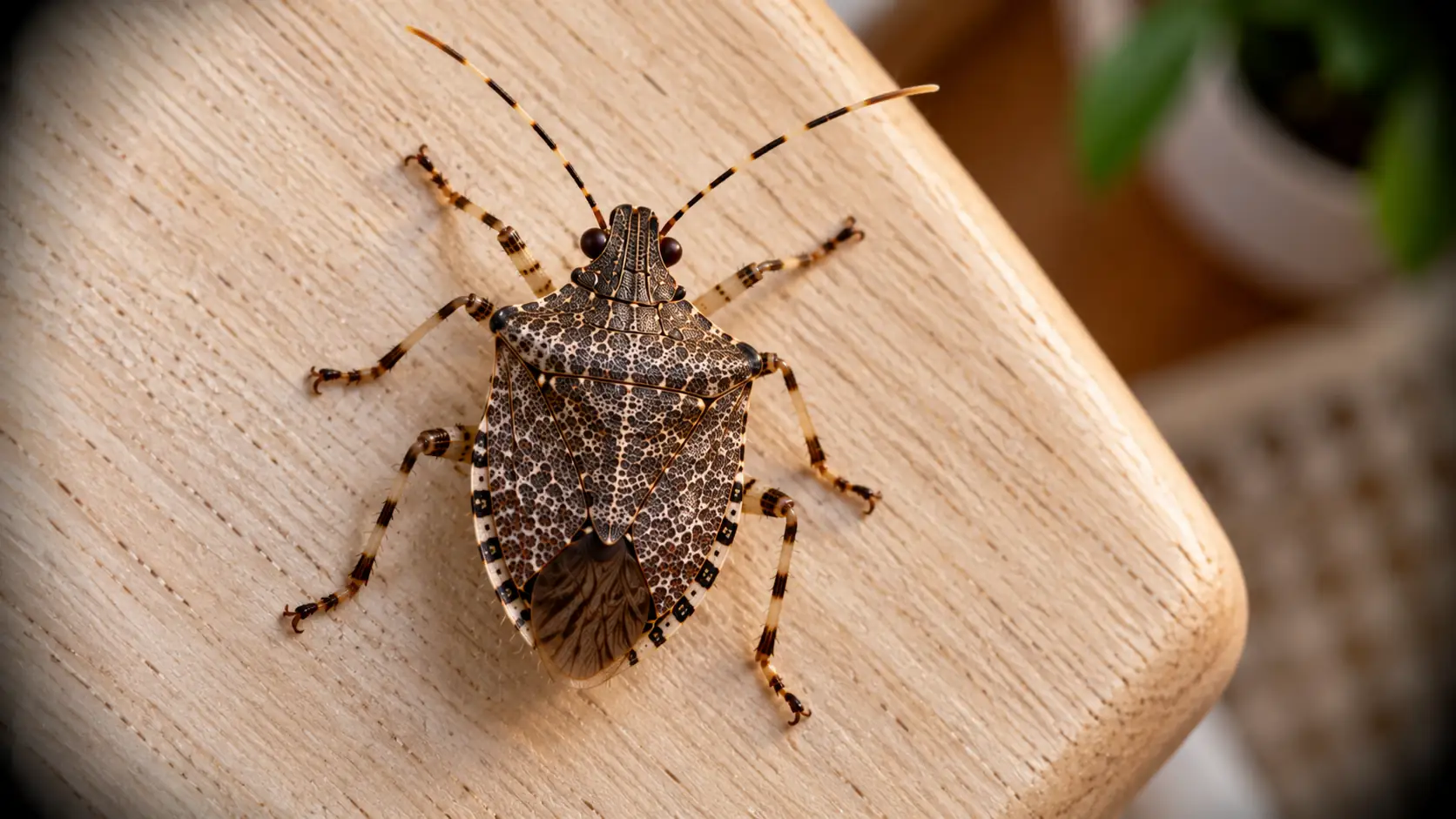
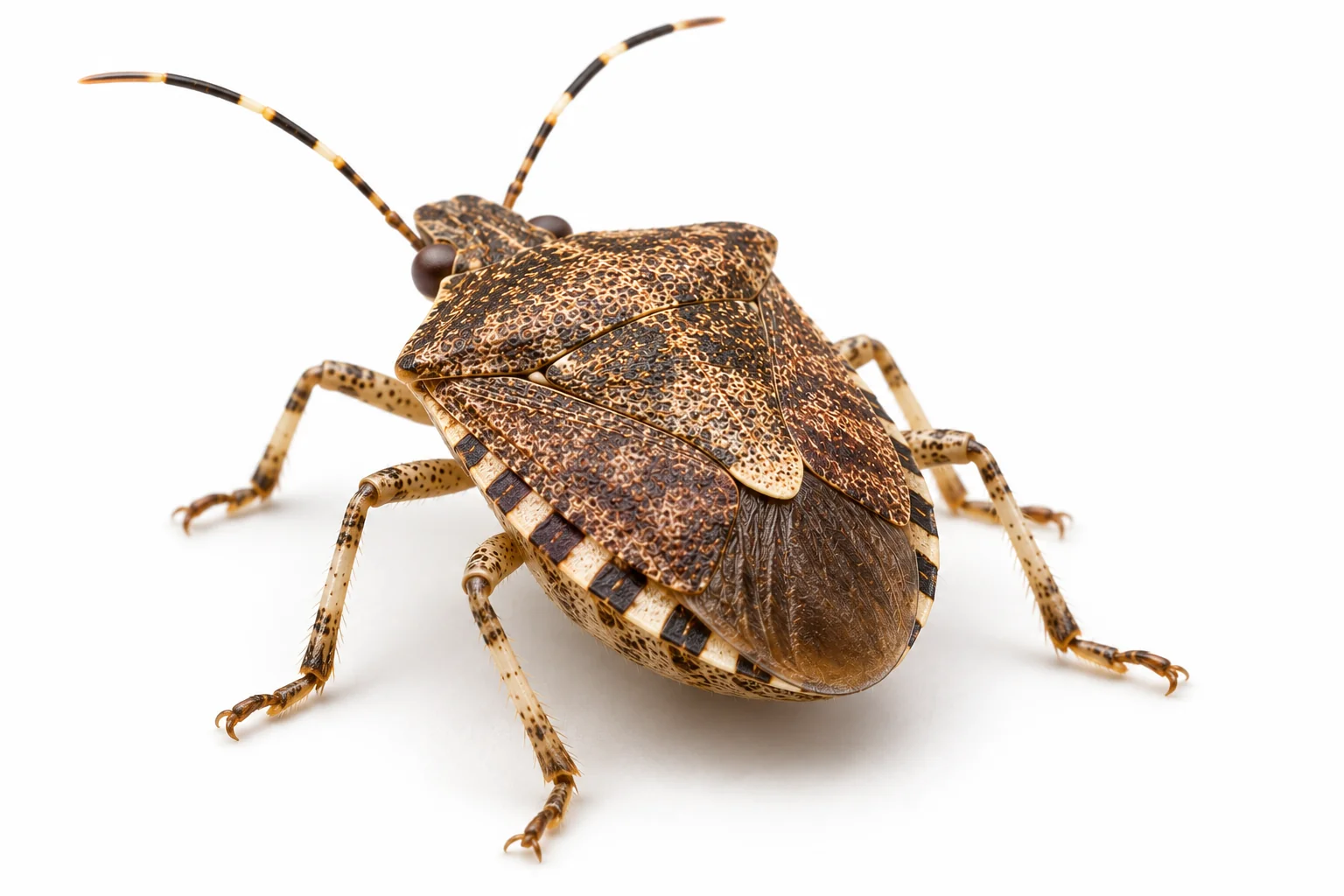
One of the most recognizable species in the United States is the brown marmorated stink bug, Halyomorpha halys. Originally from East Asia, this invasive insect was introduced to the United States in the 1990s. It has a mottled brown body, pale bands on its antennae, and alternating light and dark markings along the edges of its abdomen.
The Stink Bug Defense Mechanism
Adult stink bugs have scent glands on the underside of their thorax, while immature stink bugs have glands on their abdomen. When threatened, disturbed, or crushed, they can release foul-smelling defensive chemicals that help discourage predators. This characteristic odor is how stink bugs earned their common name.
How Stink Bugs Affect Gardens and Homes
Most stink bugs feed on plants, using piercing-sucking mouthparts to draw fluids from fruits, seeds, stems, and other plant tissues. Their feeding can leave scars, deform produce, and damage agricultural crops. However, some species, including the spined soldier bug, are beneficial predators that feed on caterpillars and beetle larvae. During fall, brown marmorated stink bugs often enter homes in search of protected places to spend the winter. They do not normally bite people or damage buildings, but large numbers can become a household nuisance.
Stink Bug Identification
| Category | Details |
|---|---|
| Common names | Brown marmorated stink bug, BMSB (sometimes just “stink bug” or “shield bug,” though those terms cover many related species) |
| Scientific name | Halyomorpha halys |
| Classification | True bug, order Hemiptera, family Pentatomidae |
| Adult size | Roughly 12-17 mm (about ½ to ⅔ inch), shield-shaped body |
| Lifespan | Adults typically live several months up to about a year, varying with climate; overwintering adults can survive winter indoors or in sheltered spots |
| Diet | Sucks sap from a very wide range of plants, including fruits, vegetables, ornamentals, and field crops, using a piercing mouthpart |
Why You See Stink Bugs In the Fall
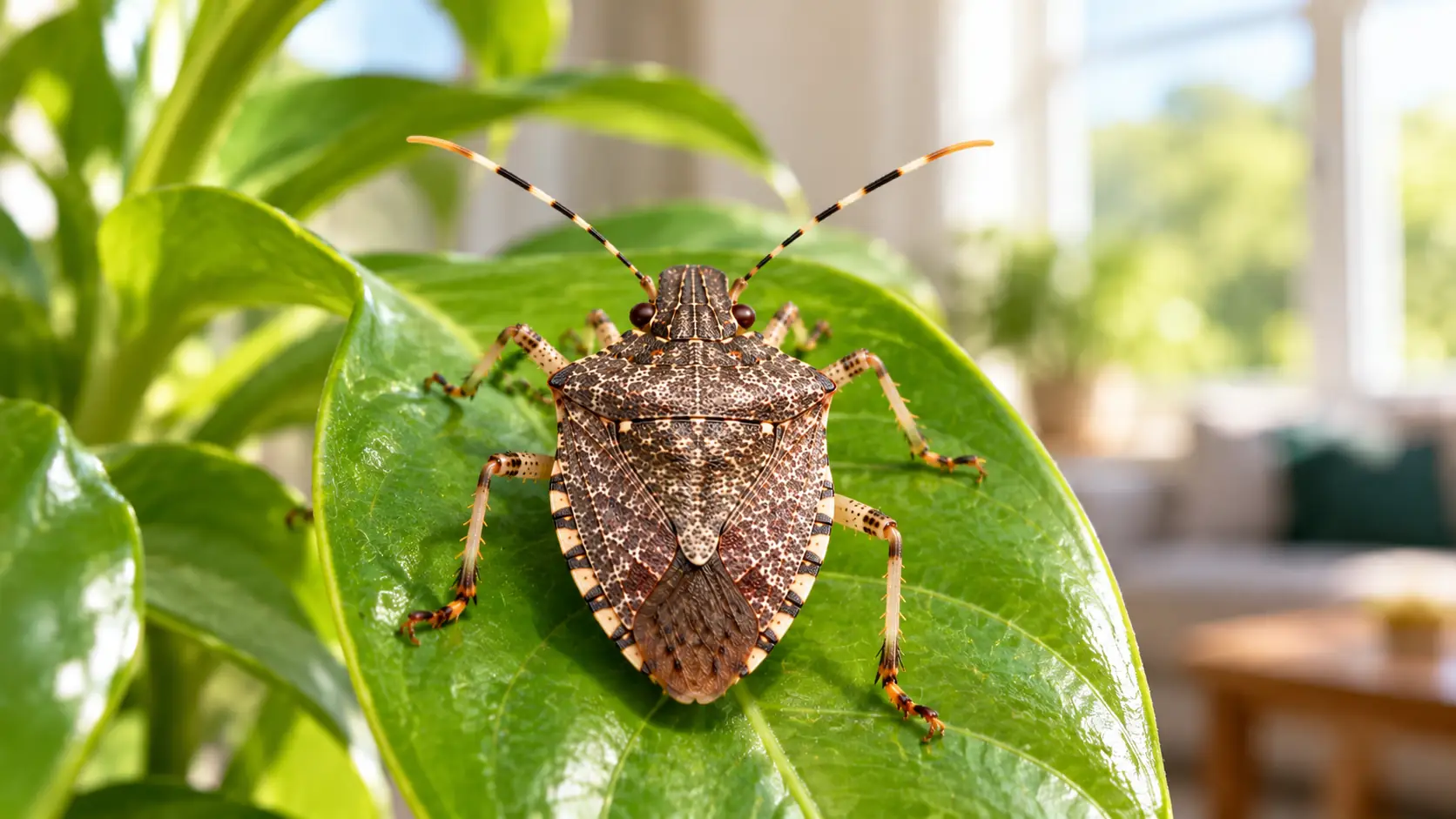
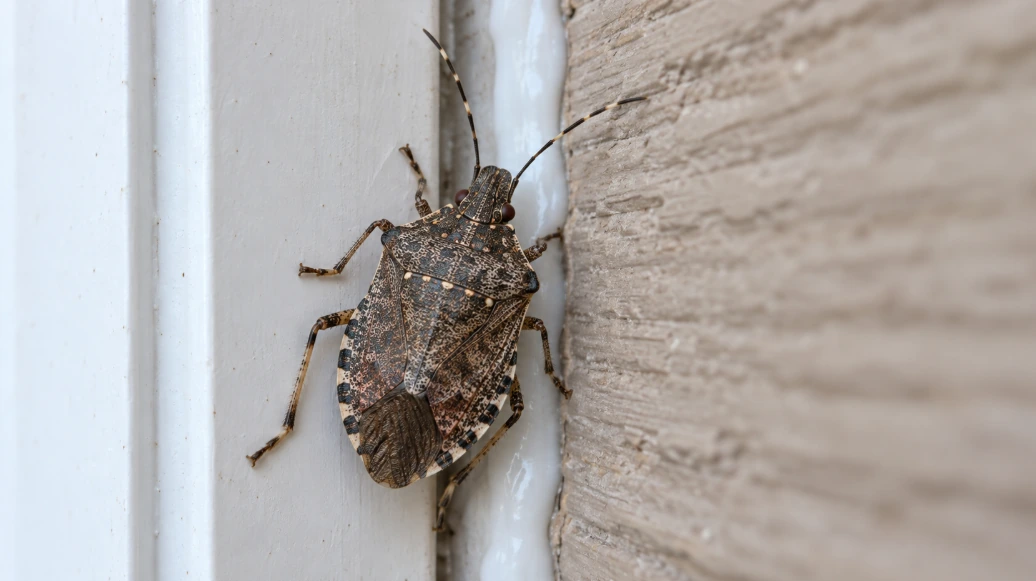
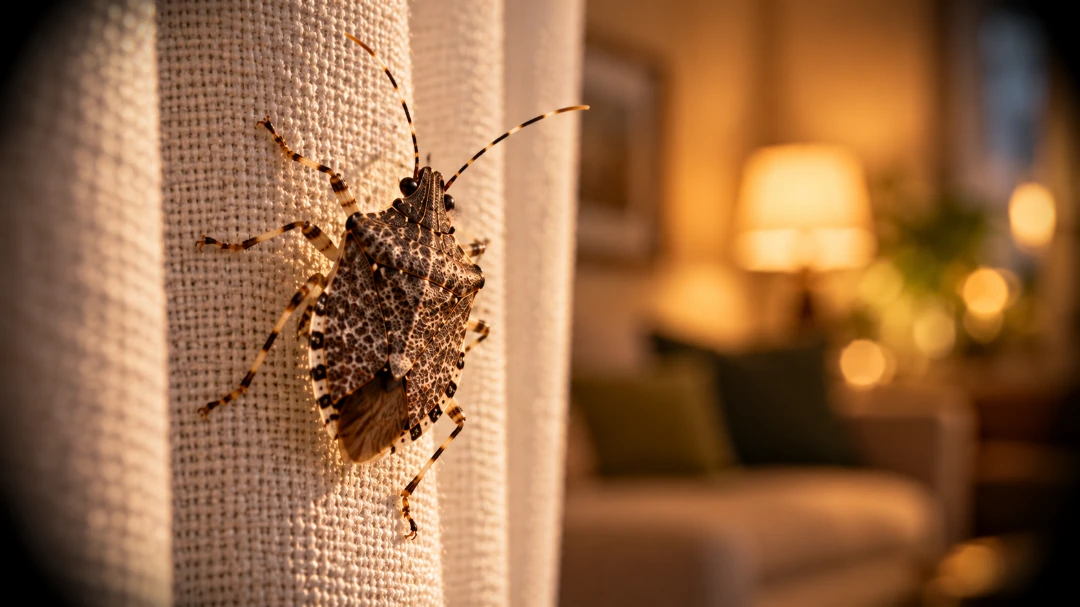
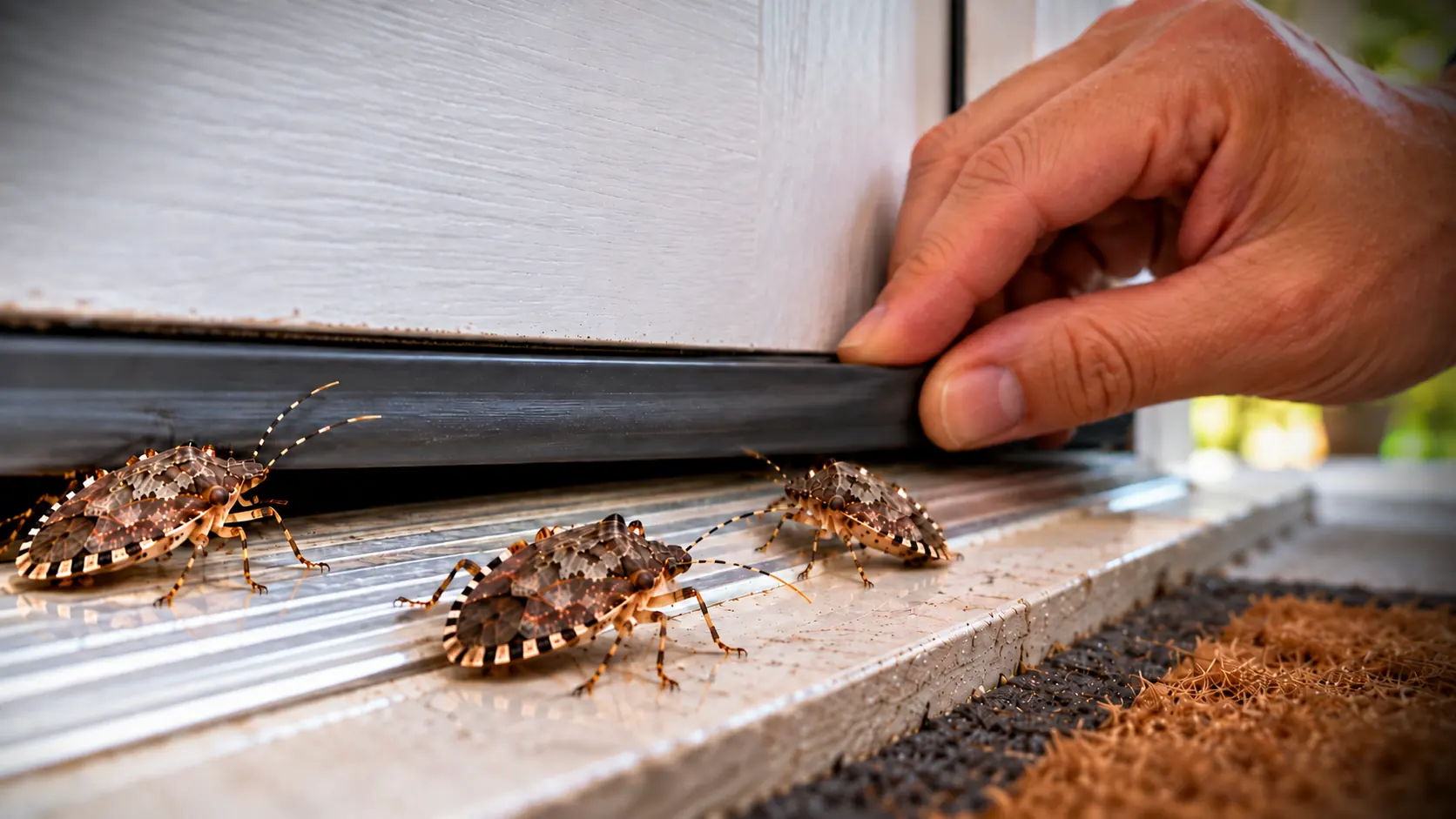
If stink bugs keep turning up on your windows, curtains and walls, you are not imagining it. As temperatures drop in autumn, the brown marmorated stink bug (the species most homeowners meet) leaves fields and gardens and looks for a warm, sheltered place to spend the winter. Often that place is your house. Stink bugs are a common fall visitor in states such as Pennsylvania, New Jersey, Delaware, Maryland and Tennessee & many others.
You Are Likely to Find Stink Bugs:
- On sunny, south- and west-facing exterior walls in the afternoon
- Around window frames, door frames and siding gaps
- Behind curtains, in attics, and in light fixtures
- Crawling slowly across ceilings and walls on warm winter days, when indoor heat wakes them up
In this article, we will cover what stink bug smell is like, whether it is harmful, how the bug makes it, why squishing is a mistake, and how to remove both the bugs and the odor.
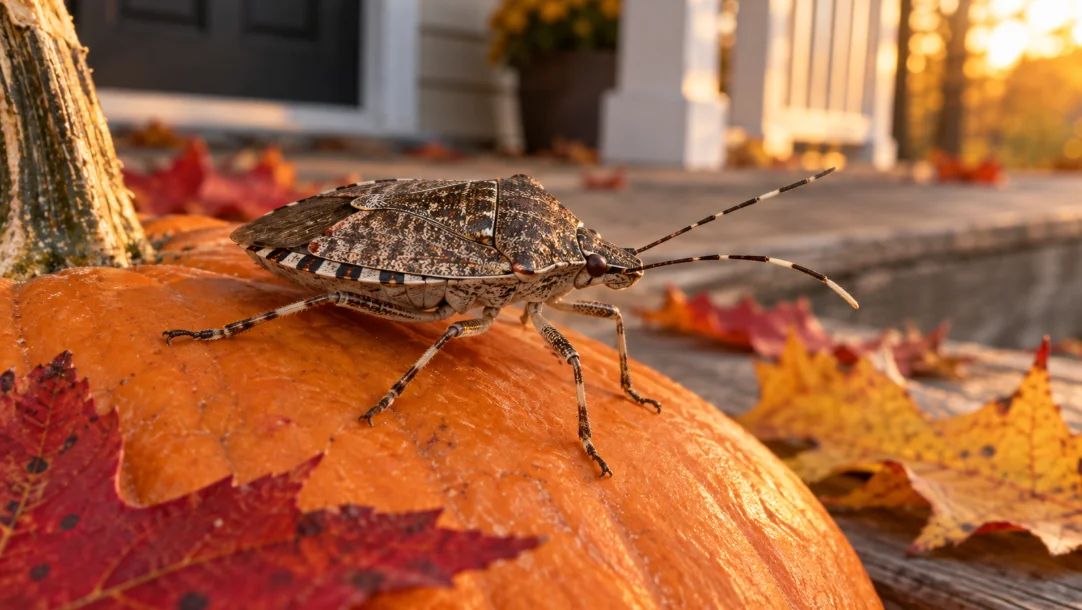
What do stink bugs smell like?
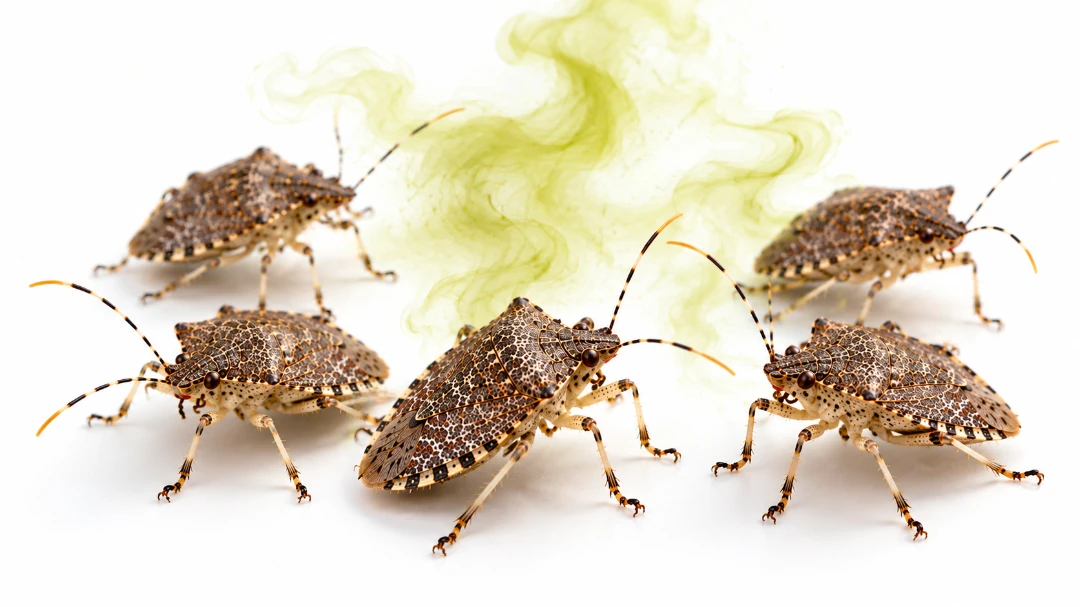
Most people find the smell hard to describe. It hits as a sharp, bitter, almost chemical odor, and the usual comparisons are rotting trash, a sweaty gym bag, old socks and, oddly, fresh cilantro. Our noses differ a lot, so one person gags while another barely notices anything.
Smell Differs Depending on Stink Bug Species
The scent isn’t the same from every bug, either. The common brown marmorated stink bug gets much of its smell from two aldehyde compounds, trans-2-decenal and trans-2-octenal, while other species use different chemical mixes, so some smell milder or slightly sweeter.
Different species release different blends of chemicals, so the odor can be stronger, milder or slightly sweeter. Add the fact that people perceive smells differently, and it’s easy to see why one person says stink bugs smell like cilantro, while another says they smell like garbage.
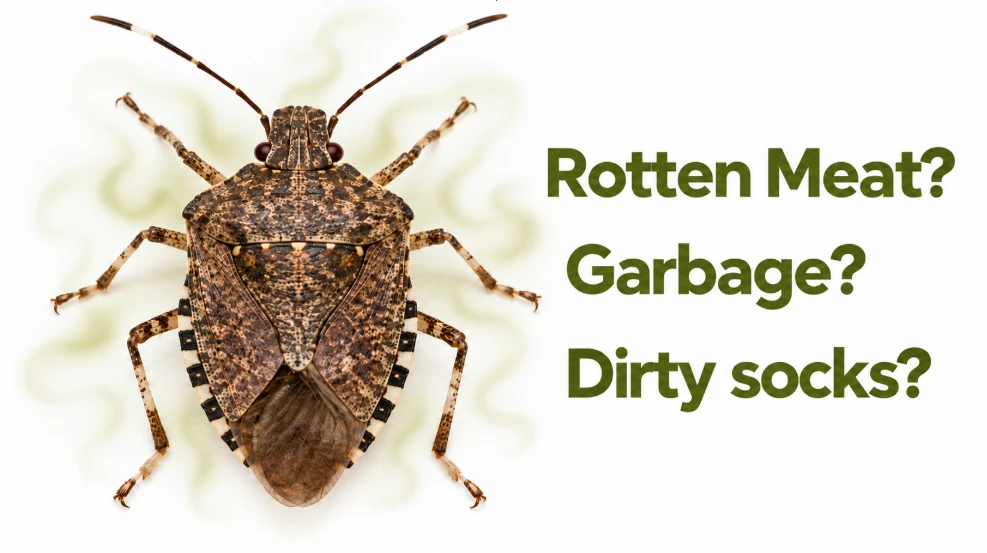
| Smell Comparison | Description |
|---|---|
| Rotting garbage | Sour, heavy odor |
| Rotten meat | Putrid, heavy stench |
| Dirty socks | Musty, sharp smell |
| Sweaty gym bag | Stale, damp funk |
| Cilantro | Herbal, green note |
| Parsley | Grassy, leafy edge |
| Rotten fruit | Sour, slightly sweet |
Why do many say stink bugs smell like cilantro?
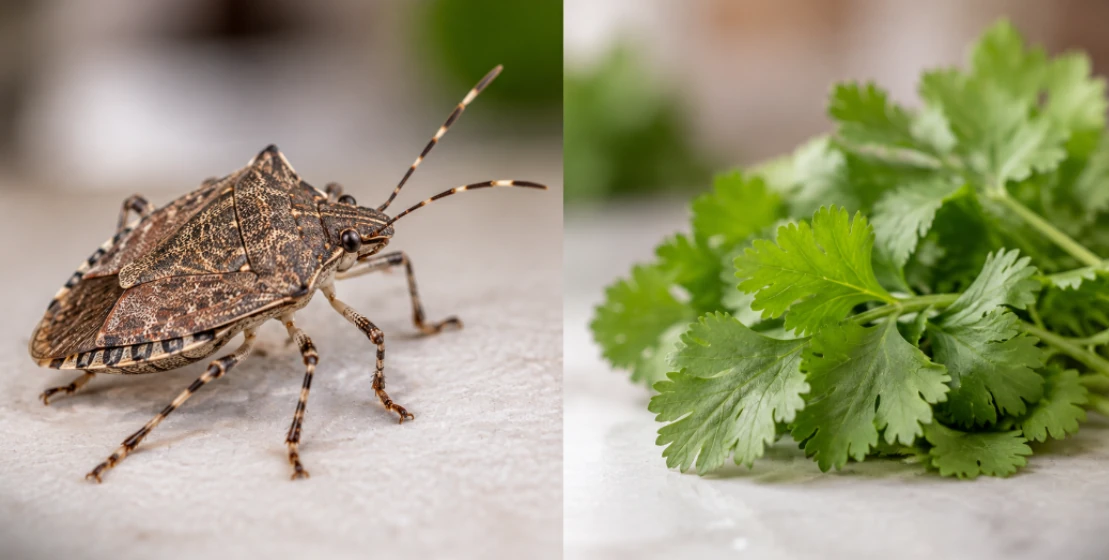
There’s a real chemical reason for the comparison. Cilantro leaves and stink bug spray both contain aldehydes, a family of aroma compounds that includes trans-2-decenal. That shared note is why the two can smell alike. How it lands depends on the person: cilantro fans tend to call the smell herbal, while people who dislike cilantro often say it reads as soapy or rotten. Your own nose decides which of those you get.
How Strong is Stink Bug Smell, and How Long Does it Last?
- A stink bug that is left alone gives off little or no odor. The smell appears when the bug is startled, handled or crushed, and even one bug can fill a small, closed room.
- On skin, fabric or walls, the smell can hang around for hours or even a couple of days. That is why a quick squish tends to turn into a longer cleanup.
| If you notice... | It may mean... |
|---|---|
| A cilantro-like whiff | A bug was just disturbed |
| Rotten, sweaty odor | Crushed or dead bugs nearby |
| Smell but no bug | Hidden bugs in a gap or fixture |
| Odor from your vacuum | Bugs were sucked in |
| Smell after cleaning | Residue left on the surface |
Is Stink Bug Smell Toxic & Are Stink Bugs Poisonous?
No. A stink bug is neither poisonous nor venomous, and its odor is an annoyance, not a danger. It has no way to bite or sting you, and it isn’t known to spread illness to people or pets. However, stink bugs’ defensive secretions can irritate sensitive skin or eyes.
What Stink Bug Odor Can Do to You
- The smell is unpleasant but generally harmless. The liquid that the bug releases can bother your skin or eyes.
- Some especially sensitive people react with a stuffy nose, teary or itchy eyes, or a rash.
- If it lands on your skin, wash it off with soap and water. If any reaches your eyes, flush them with clean water.
- See a doctor if eye irritation doesn’t clear up, a rash gets worse, or you have trouble breathing.
What It Can Do to Dogs and Cats
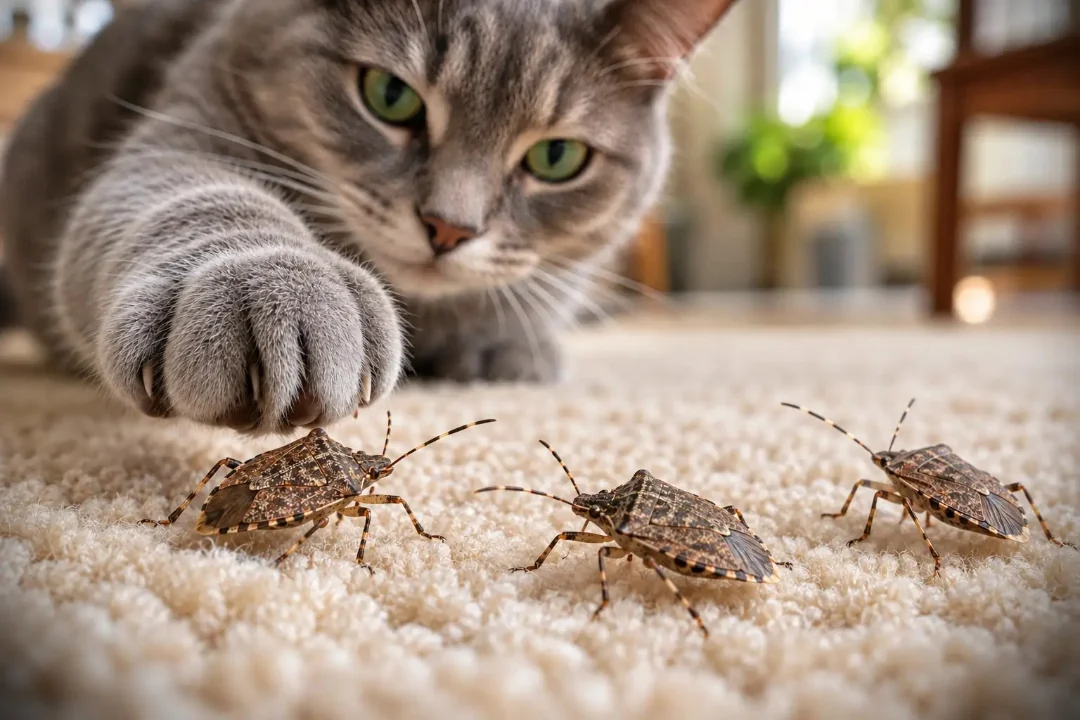
- It isn’t poisonous to pets, but a pet that chews or swallows one may drool, vomit or have a sore mouth and stomach for a short time.
- Contact your vet if your pet seems unwell or has eaten a lot of them.
How Stink Bugs Actually Cause Harm
Their damage is to plants, not people. Stink bugs feed on hundreds of fruits, vegetables and ornamentals, which is why farmers and gardeners dislike them. Inside a house they don’t harm the structure and they don’t breed there.
How do Stink Bugs Release the Smell, and Why?
How do Stink Bugs Release Their Smell?
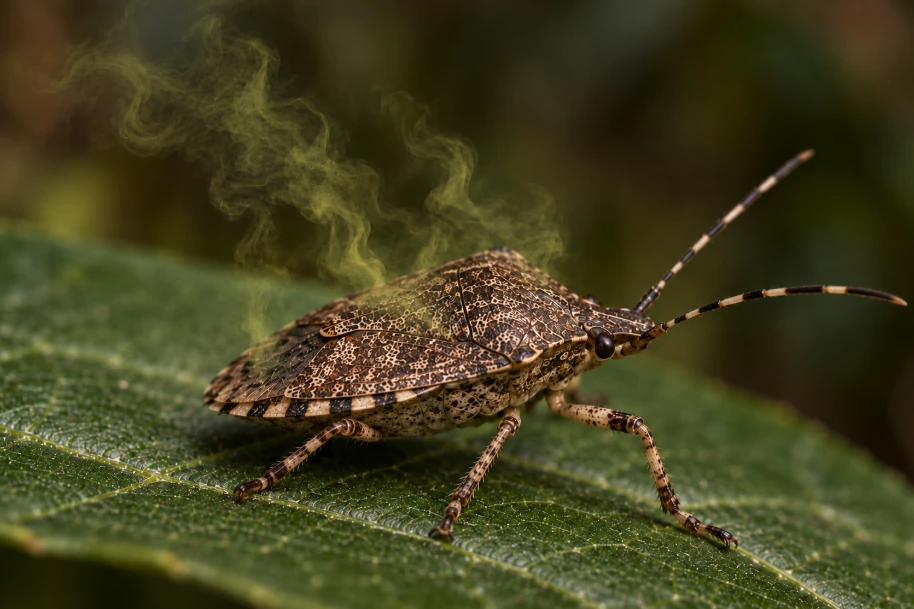
The odor is made and stored in special scent glands. In adults, these sit in the thorax, the middle section of the body, and the liquid leaves through tiny openings when the bug needs it. Young nymphs have a different setup: three glands on the top of the abdomen.
What Sets it Off
- Being grabbed, pinched or crushed
- An attack by a predator, or a sudden jolt
- Rough disturbance, even when the bug is in its winter dormant state. Bugs packed into a winter hiding spot can still release the odor if they are shaken.
| Situation | Smell released? |
|---|---|
| Left alone | Little or none |
| Squished or crushed | Yes, strongly |
| Picked up roughly | Likely |
| Shaken in a hiding spot | Possible |
| Scooped gently into a jar | Unlikely |
Why Do Stink Bugs Make the Smell?
- Self-defense. The stench is meant to put off animals that might eat them, such as birds, lizards and other insects.
- A warning to others. The same chemicals can alert nearby stink bugs that something is wrong.
- Protection from germs. Lab tests suggest the main aldehydes can slow bacteria, which may help keep the bug from getting infected.
Stink Bugs Pass Signals Through Smell
A common myth is that killing one stink bug brings more. It doesn’t. Bugs that have found a good winter shelter do give off a separate scent that draws other bugs in, but that signal is different from the defensive smell.
Why you shouldn’t squish or squeeze a stink bug
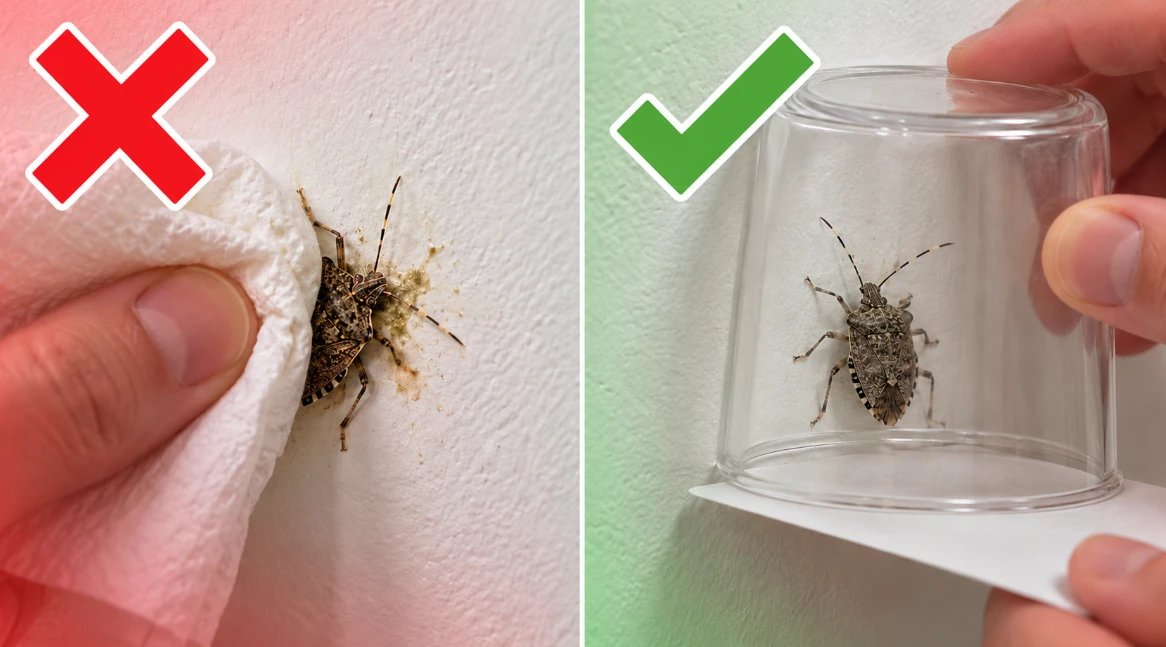
Smashing a stink bug is the surest way to make the smell happen. Crushing it sets off its defenses, and the odor goes straight onto whatever is under it, whether that’s your hand, a wall or the carpet.
Squishing a Stink Bug Can Cause:
- A smell that sticks around. It can last for hours or even days, and it soaks into skin, fabric, carpet and painted walls.
- A greasy leftover mess. A crushed bug can leave a residue behind, and both the stain and the odor can be hard to get out.
- Possible skin irritation. If you’re sensitive to the liquid, you may get redness or itching, so keep bare skin away from it.
- No real fix. Getting rid of one bug won’t stop the next from walking in. Sealing the gaps where they enter is what actually works.
The same goes for other quick reactions: slapping one on the curtain, flicking it off your sleeve, or pinching it in a tissue. Any pressure on the bug can trigger the smell. Move slowly and scoop it into a container instead (see the removal section below).
How to Get Rid of Stink Bug Smell in Your Home
Let fresh air in first, then clean one surface at a time. Open the windows, switch on a fan, and lift away what’s left of the bug with a paper towel before you wash anything, so you don’t rub the oils further in. These are everyday household methods, so try any cleaner on a hidden spot first.
Walls and Hard Surfaces
- Wipe with warm water and a little dish soap, then go over it with a clean damp cloth.
- Skip hard scrubbing, which can smear the residue around.
Clothing and Fabric
- Wash as soon as you can with your usual detergent, and add baking soda or white vinegar to the load.
- Don’t put the item in the dryer until the smell is gone, because heat can set it in.
Carpet and Upholstery
- Blot the spot, dab on a mild soap solution, sprinkle with baking soda, leave it for a while, then vacuum it up.
- Don’t rub, which pushes the oils deeper into the fibers.
| Surface | Best fix |
|---|---|
| Walls | Warm water and dish soap |
| Clothing | Wash with baking soda or vinegar |
| Carpet | Blot, baking soda, vacuum |
| Car | Air out, charcoal or baking soda |
| Vacuum | Empty outside, wipe, use a spare |
How to Get Rid of Stink Bugs Without Causing a Smell
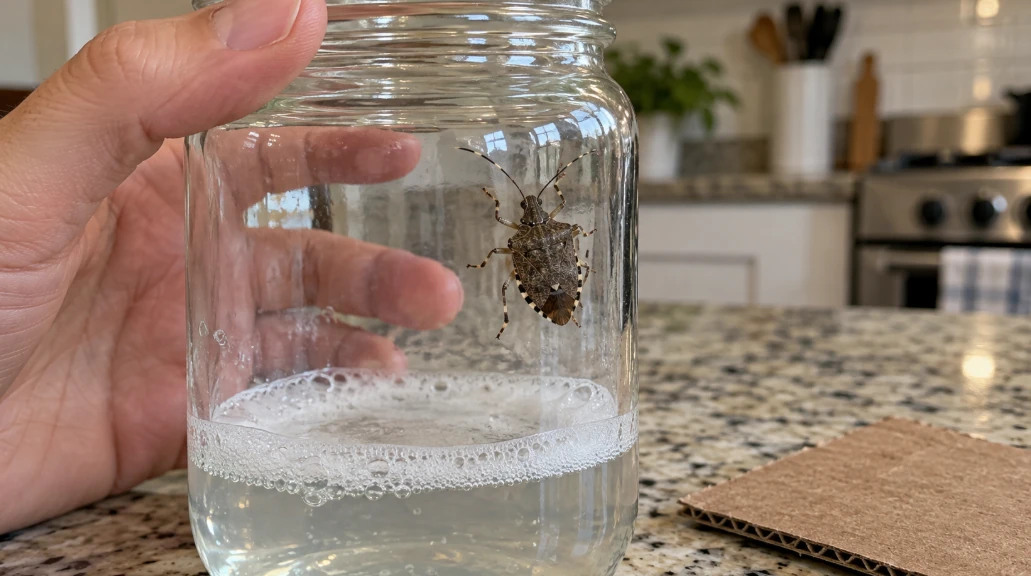
The key is to remove the bug without pressing on it, then drop it in soapy water. No method can guarantee that a bug stays calm, but slow, gentle handling makes a release much less likely.
- The soapy-water jar (best for one or two bugs)
Hold a jar of soapy water directly under the bug and nudge it in with a piece of cardboard. It drowns without giving off any smell.
Prefer not to kill it? Put a cup over the bug, slide a stiff piece of paper underneath, and carry it outside. It may find its way back in, so close up the gaps too.
- The light trap (best for a recurring problem)
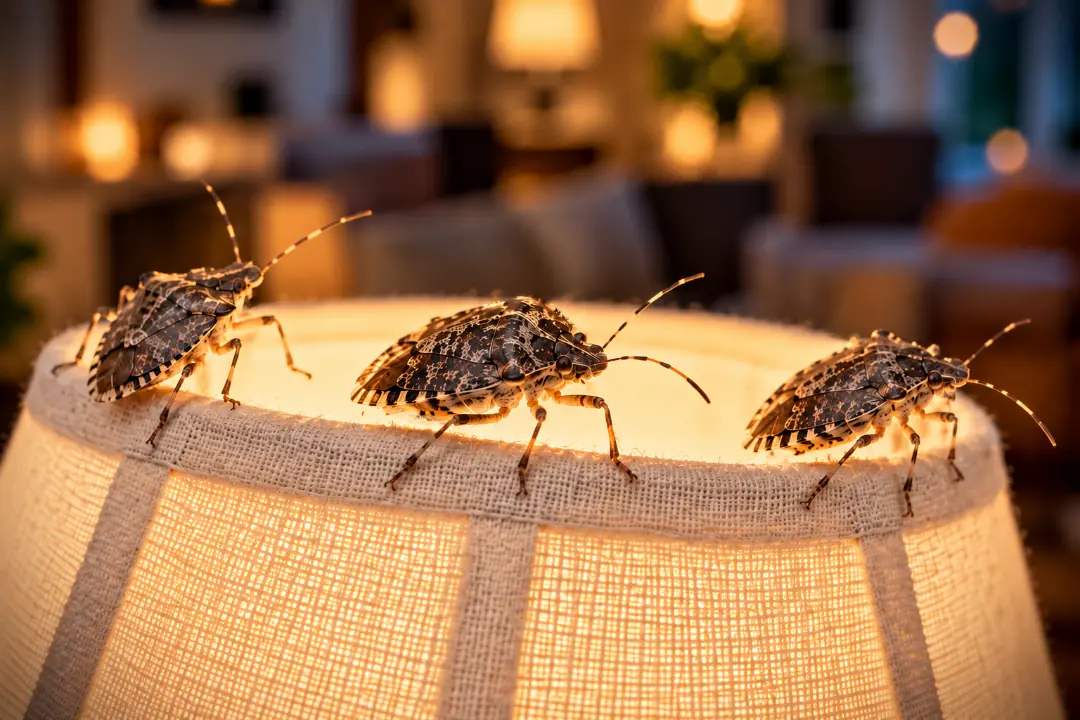
In a dark room, set a lamp over a shallow pan of water mixed with a few drops of dish soap. Stink bugs head for the light, fall into the pan and drown.
- The vacuum with a stocking (best for many bugs)
Fit a nylon stocking inside the vacuum hose and fasten it with a rubber band, so the bugs end up in the stocking instead of inside the machine. Empty the stocking into soapy water and throw it out. Use a spare vacuum if you have one, and never pour soapy water into a regular dry vacuum. Don’t let the bugs go outside, because they will head straight back to the house.
- The water rinse (best for exterior walls)
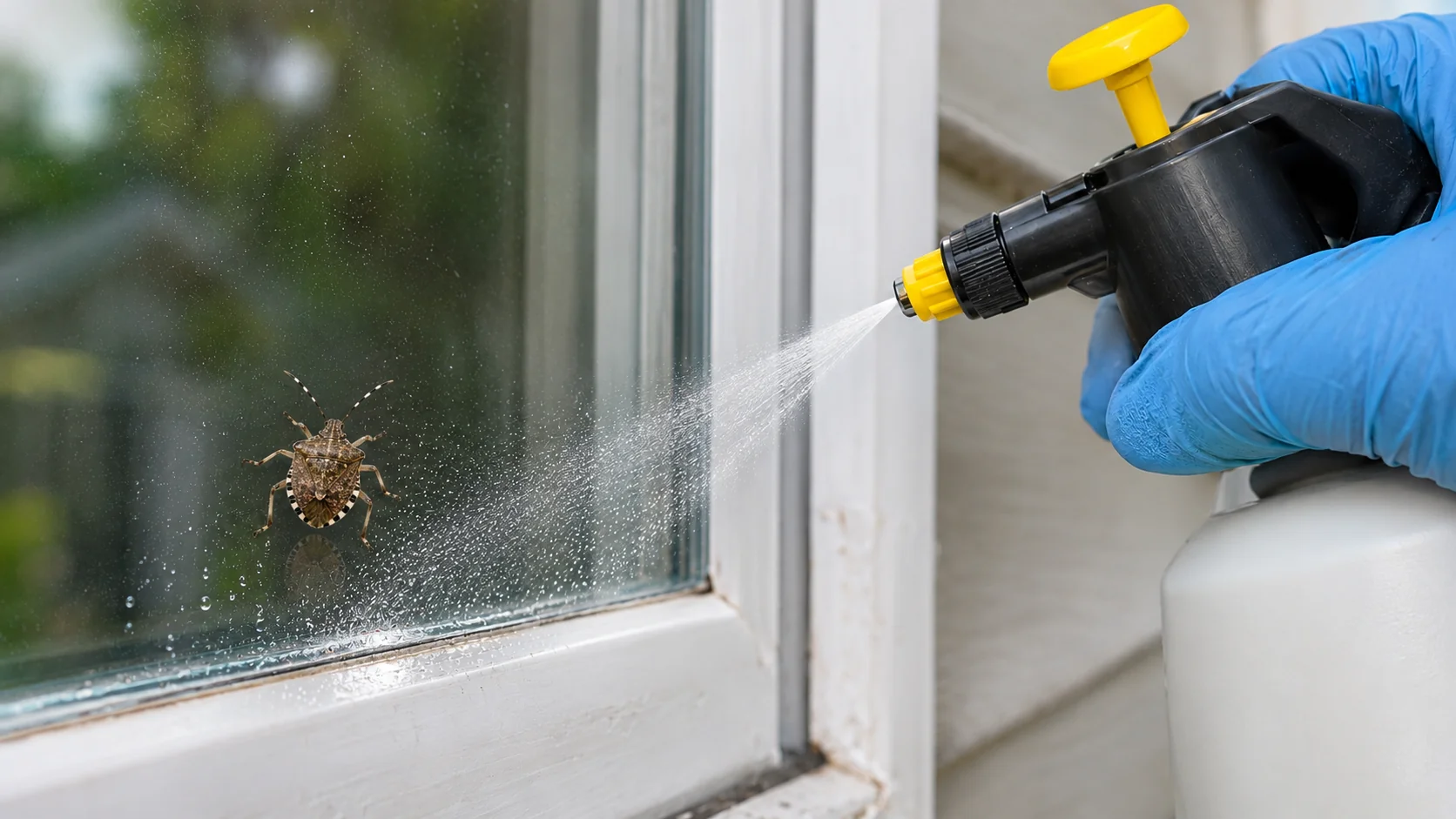
Spray bugs off the siding with a steady stream of water. Do it on a cool day, when they are sluggish and less likely to fly off.
Common Invasive Stink Bugs in the US
Invasive Stink Bugs in the U.S.
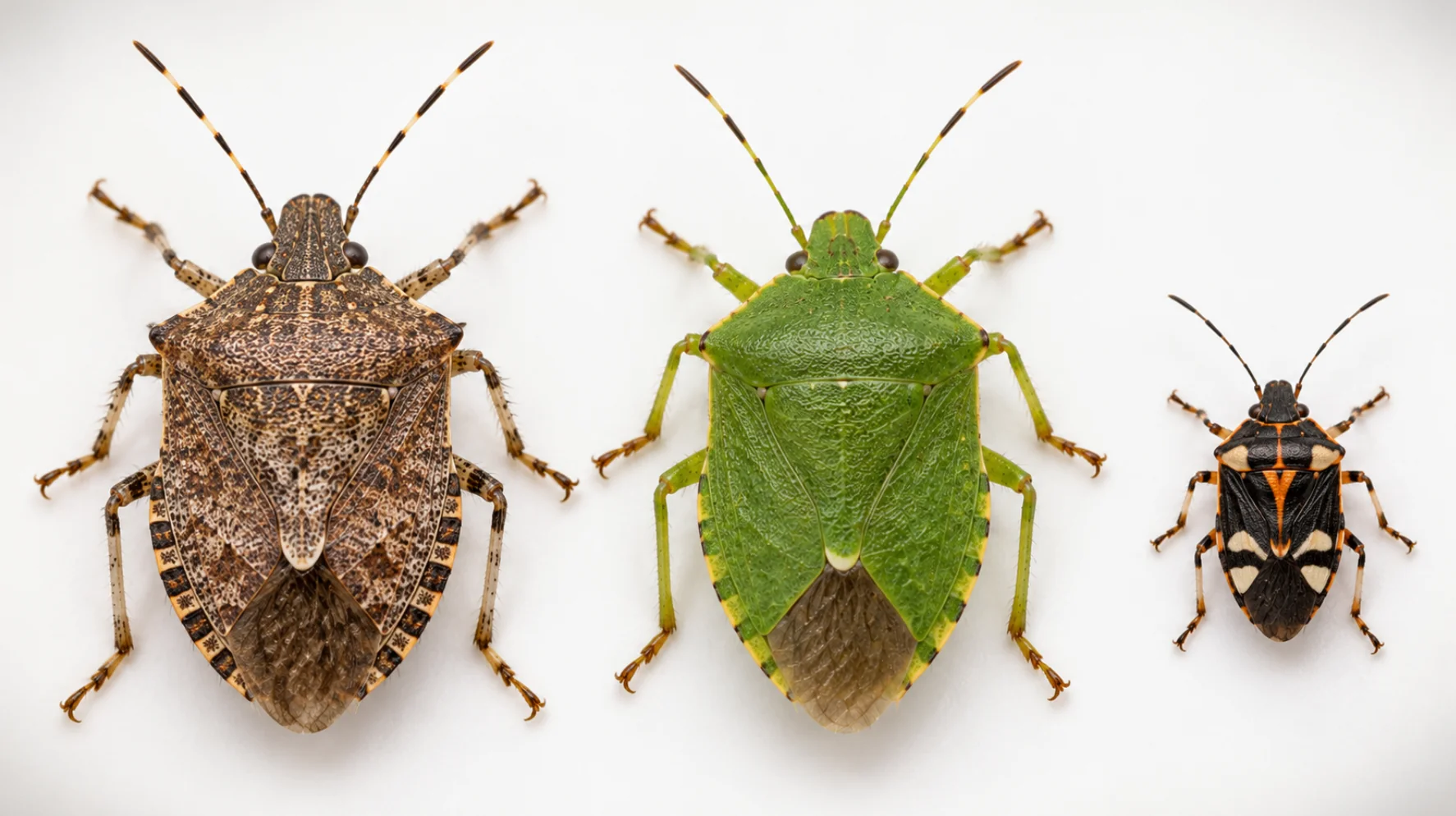
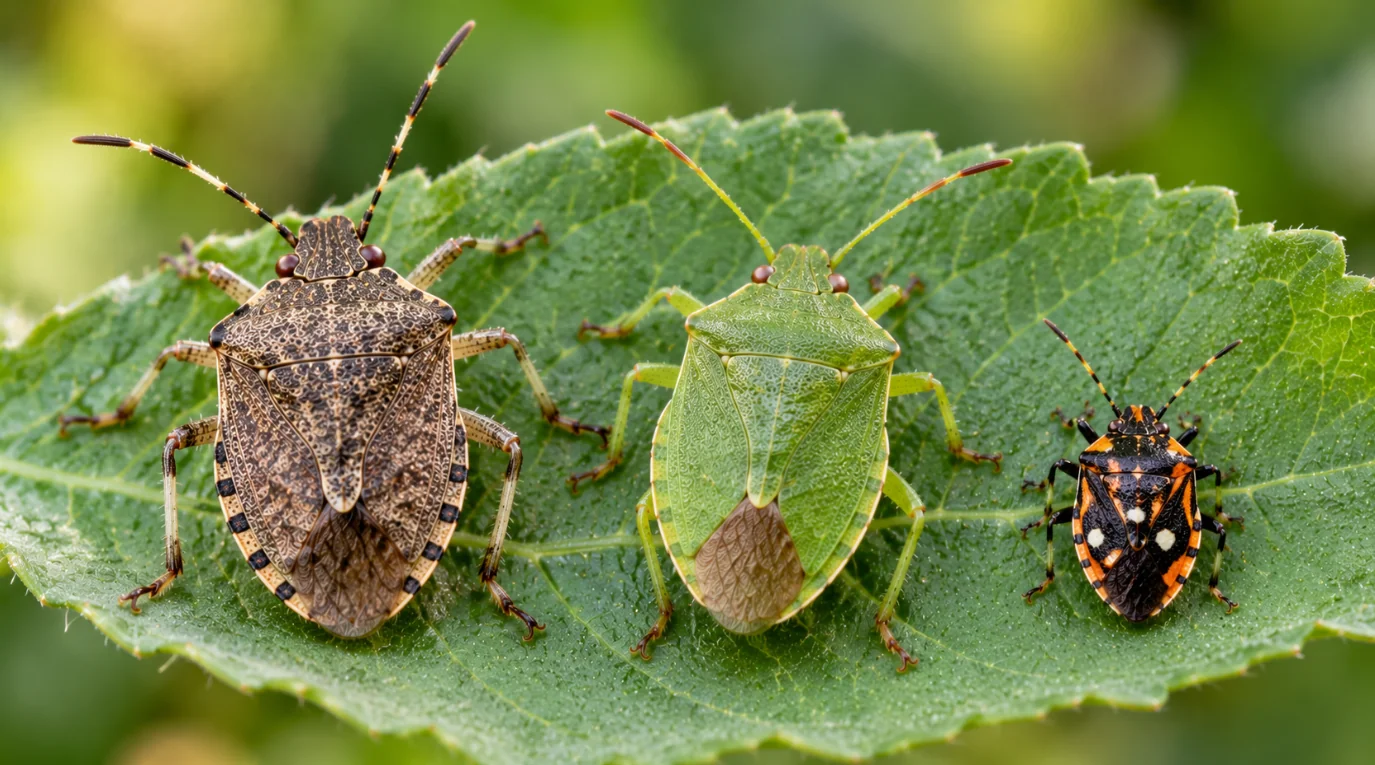
Although most stink bugs in the U.S. are native, a few species arrived from other continents and have since taken hold and spread. The brown marmorated stink bug, southern green stink bug, and bagrada bug are three of the most notable.
How They Compare
Each stink bug species pierces plants to feed and gives off a foul smell when disturbed, yet they vary in looks, range, and the crops they harm. The brown marmorated stink bug also invades homes in autumn, whereas the other two mostly threaten farms. The sections below cover how to identify each, their odors, the damage they cause, and where they live in the U.S. Ranges are approximate and still shifting.
Brown Marmorated Stink Bug (Halyomorpha halys)
Brown Marmorated Stink Bug Appearance
- Adult Brown Marmorated Stink Bugs are shield-shaped and mottled brown, about 1/2 to 5/8 inch long.
- Pale bands on the antennae and alternating light and dark patches along the edge of the abdomen set them apart from native brown stink bugs
Brown Marmorated Stink Bug Smell
When disturbed or crushed, Brown Marmorated Stink Bugs give off a sharp, herbal odor that many people compare to cilantro.
Harm Brown Marmorated Stink Bugs Cause
Brown Marmorated Stink Bug is a serious agricultural pest. Its piercing mouthparts leave sunken, corky spots on fruit and damage developing seeds, making produce unsellable. Apples, peaches, peppers, tomatoes, sweet corn, and soybeans are commonly affected.
Brown Marmorated Stink Bugs Inside Homes
In fall, large numbers of brown marmorated stink bugs move indoors to overwinter. Brown marmorated stink bugs don’t bite, damage buildings, or breed inside homes, but they leave a smelly residue if crushed.
Where Brown Marmorated Stink Bugs Are Found
Most abundant in the Mid-Atlantic and Northeast, including Pennsylvania, New Jersey, Maryland, Virginia, West Virginia, and New York. It is also established in parts of the Midwest and the Pacific Coast.
Southern Green Stink Bug (Nezara viridula)
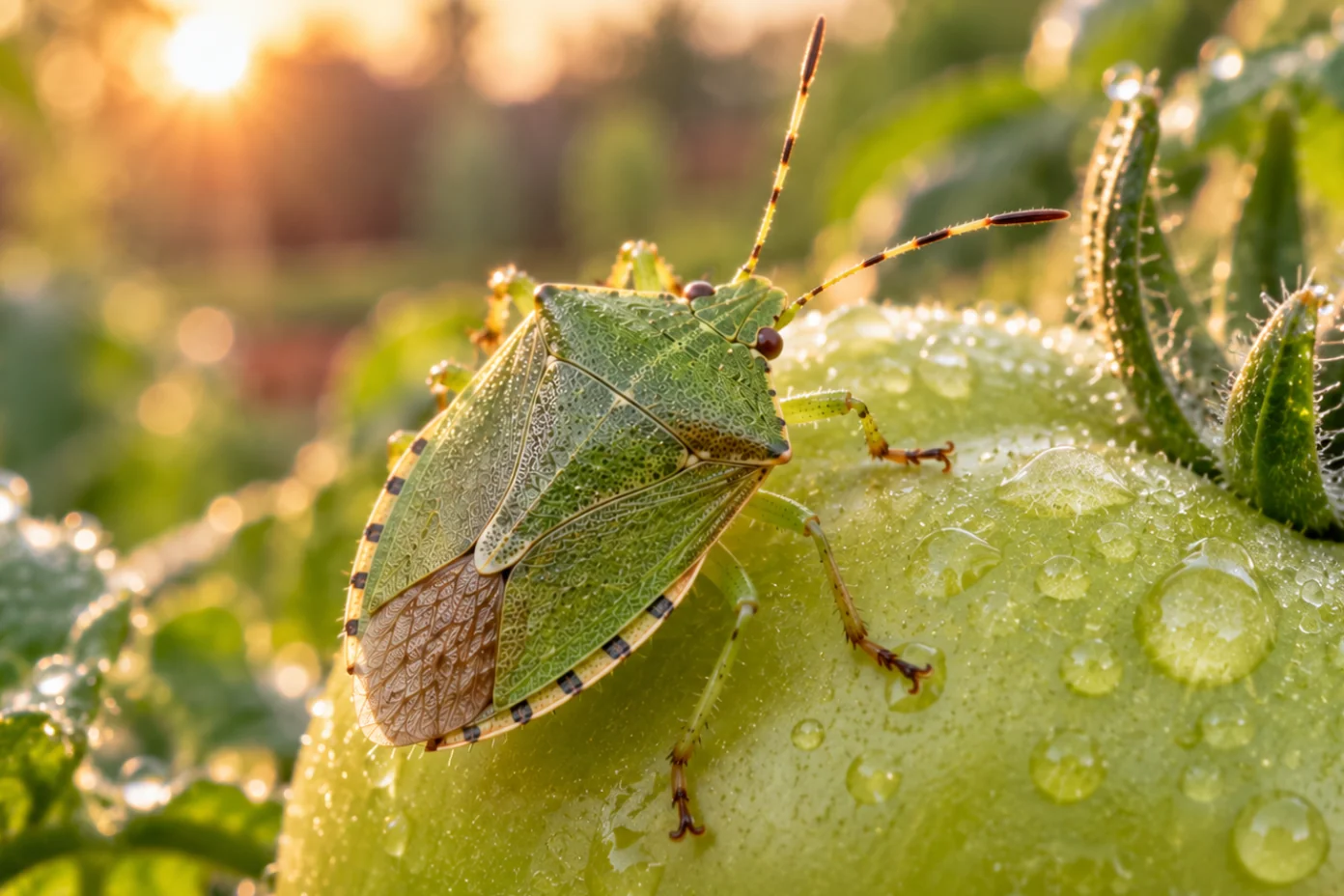
Southern Green Stink Bug Appearance
- A bright green, shield-shaped bug about 5/8 inch long.
- It closely resembles the native green stink bug, so the two are easily confused.
- In cool weather, southern green stink bugs can turn dull brownish.
Southern Green Stink Bug Smell
Its defensive odor is pungent and plant-like, similar to other stink bugs.
Harm Southern Green Stink Bugs Cause
Southern Green Stink Bug feeds on a very wide range of plants, causing shriveled seeds, pitted fruit, and reduced crop yield and quality. Soybeans, cotton, tomatoes, and beans are common targets, and the punctures can let plant diseases enter.
Southern Green Stink Bugs Inside Homes
Southern green stink bug is mainly an agricultural problem and less of a home invader than the brown marmorated stink bug.
Where Southern Green Stink Bugs Are Found
Mainly the Southeast and Gulf Coast, including Florida, Georgia, Alabama, Mississippi, Louisiana, and Texas. It also occurs in parts of California and Hawaii.
Bagrada Bug (Bagrada hilaris)
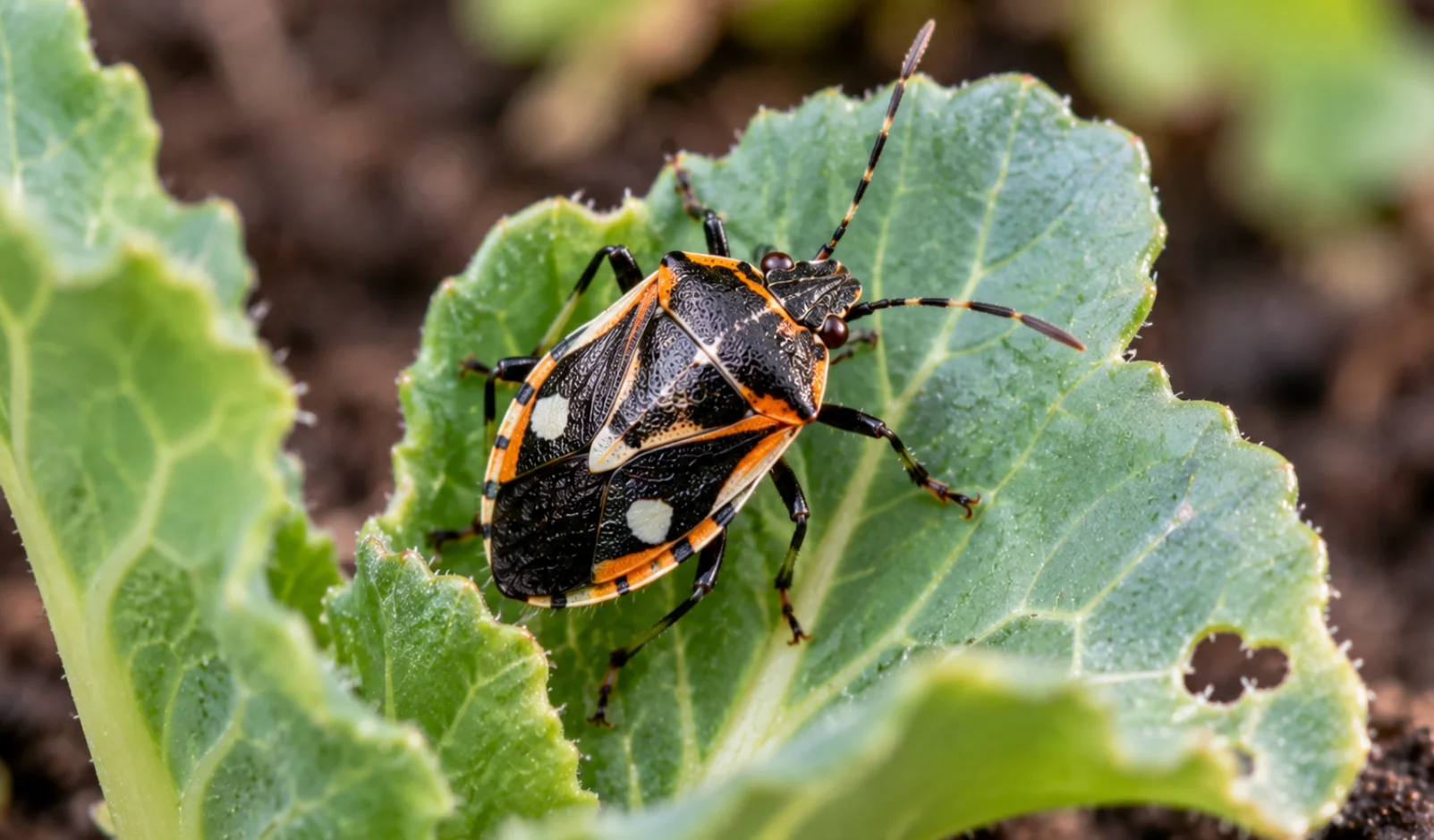
Bagrada Bug Appearance
- Much smaller than the other two, about 1/4 inch long or less.
- Bagrada bug is black with orange and white markings on its back.
Bagrada Bug Smell
Bagrada bug releases a defensive odor like other stink bugs, but because of its small size the smell is faint.
Harm Bagrada Bugs Cause
Bagrada bug is especially damaging to cabbage-family crops. Feeding on seedlings causes wilting, stunted growth, and dead plants, and on older plants it leaves white, scarred patches that make leafy greens unmarketable. Broccoli, cabbage, kale, and arugula are common targets, and heavy infestations can force growers to replant fields.
Where Bagrada Bugs Are Found
Much of the Southwest, including California (where it was first detected in 2008), Arizona, Nevada, New Mexico, Utah, and Texas.
Professional Stink Bug Control: When to Call for Help
Finding one stink bug now and then is no cause for alarm. If you keep seeing them through fall and winter, though, it usually means a crowd has settled in for the cold months, often in places you can’t reach, such as wall gaps, the attic or behind siding.
Spraying the outside of the house by itself only goes so far, so sealing cracks and gaps matters just as much. A professional inspection can spot the entry points you missed and put together a plan for next season.
Green Pest Management Stink Bug Control
Green Pest Management works with homeowners dealing with repeat stink bug problems, offering inspections, targeted treatments and advice on closing off the ways in. Acting before the next fall rush makes your home a lot harder for stink bugs to move into.
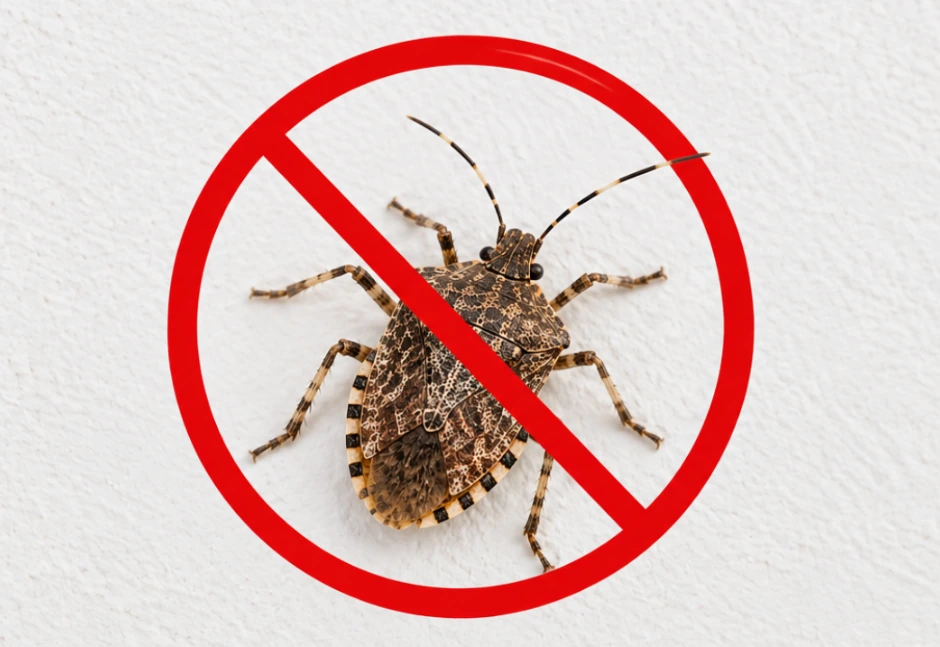
Stink Bug Smell: Questions & Answers
Stink Bug Questions Answered
Why do stink bugs smell?
Stink bugs smell because they produce a chemical defense and release it when threatened. Adults have scent glands on the underside of the thorax, and nymphs have them on the abdomen. The fluid is mostly aldehydes, such as trans-2-decenal, mixed in an oily hydrocarbon carrier that helps it spread and cling. Predators like birds, spiders, and lizards find it unpleasant and learn to avoid them, and some of the compounds also work as alarm signals to other stink bugs.
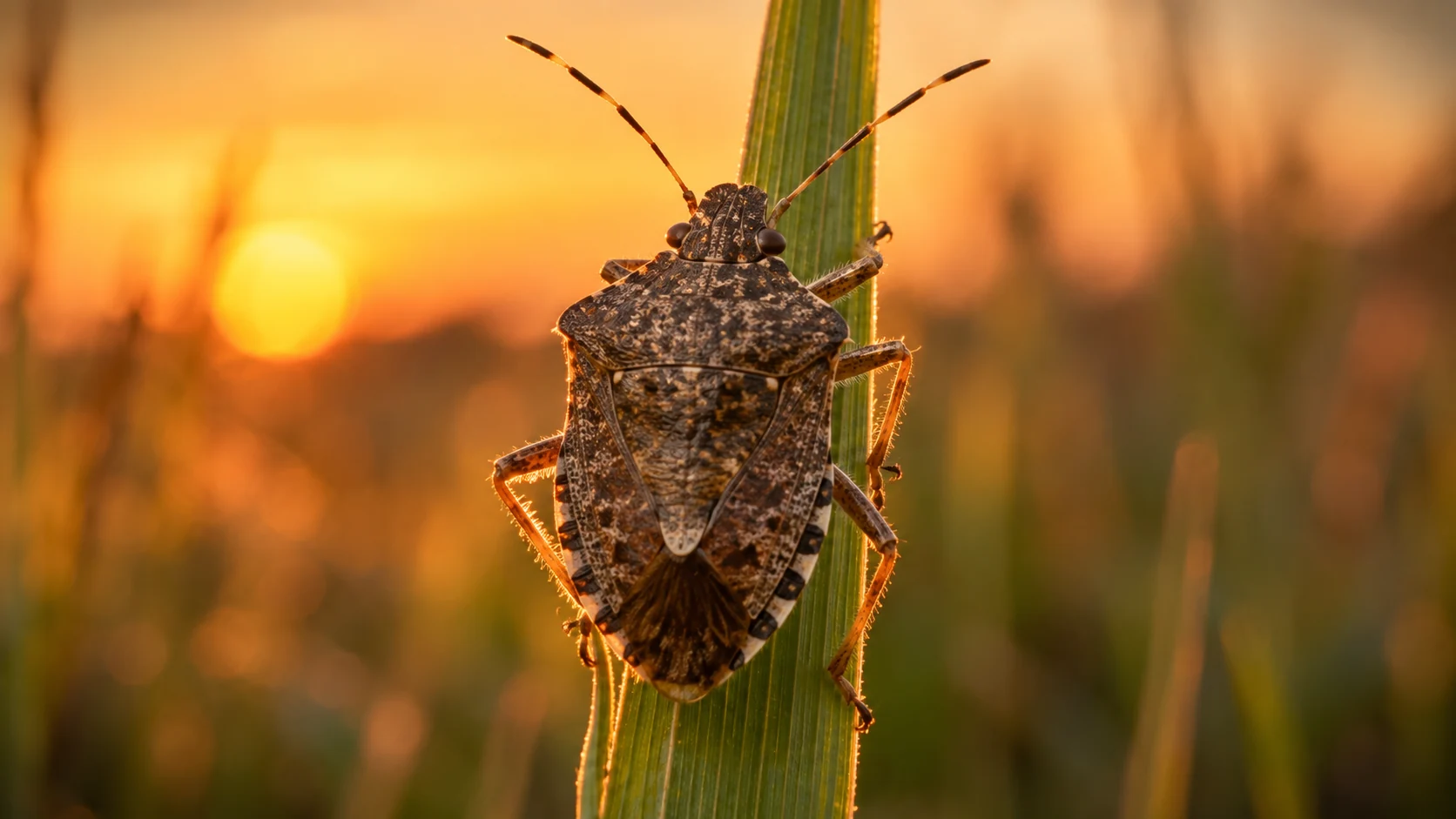
How long does a stink bug odor last?
A stink bug odor usually lasts a few minutes to a few hours in open, ventilated air. It can last a day or more if the bug was crushed into fabric, carpet, or upholstery, because the compounds are oily and cling to material. Opening windows and washing the area with a degreasing soap shortens it.
Is stink bug smell toxic?
No, stink bug smell is not considered toxic to humans at typical exposure levels. The chemicals responsible for the odor mainly act as defensive irritants rather than causing poisoning. However, direct contact with the bug’s secretions may irritate sensitive skin or eyes. The strong smell can also trigger nausea or headaches in some people, especially in enclosed spaces. Dogs and cats that chew or swallow stink bugs may drool, vomit, or experience temporary mouth or stomach irritation.
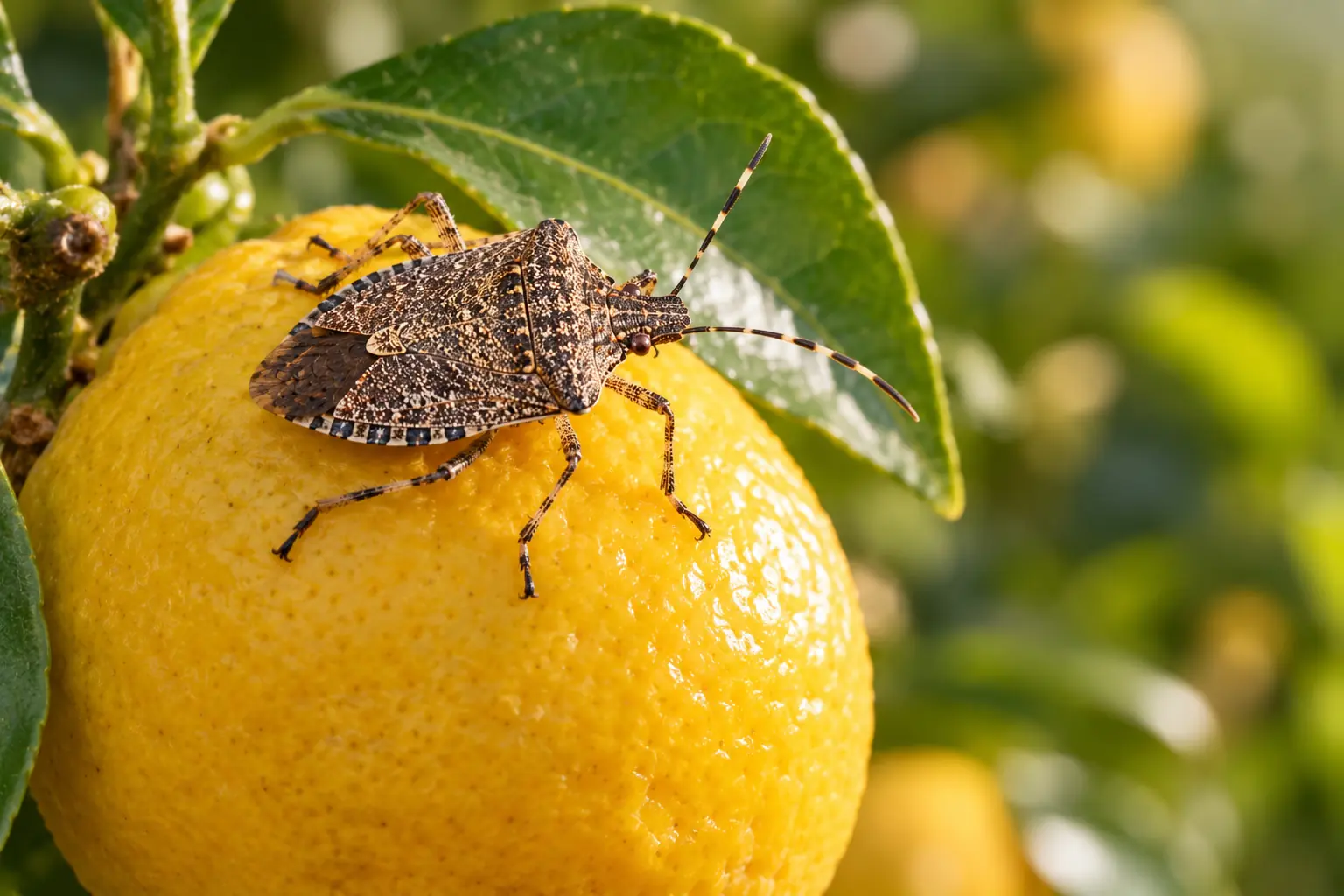
Do stink bugs actually stink?
Yes, they do, but only when threatened. People describe the smell as cilantro-like, sharp and herbal, or even like burnt rubber. The cilantro comparison makes sense, since cilantro contains some of the same aldehydes. Intensity varies by species, how disturbed the bug is, and how sensitive your nose is.
Why should you never squish a stink bug?
You should never squish a stink bug because crushing it forces out its defensive chemicals. The odor soaks into skin, clothing, and walls and is hard to wash out, and the chemicals can irritate skin or eyes. Trap it in a cup and release it outside, or vacuum or flush it, for far less smell.
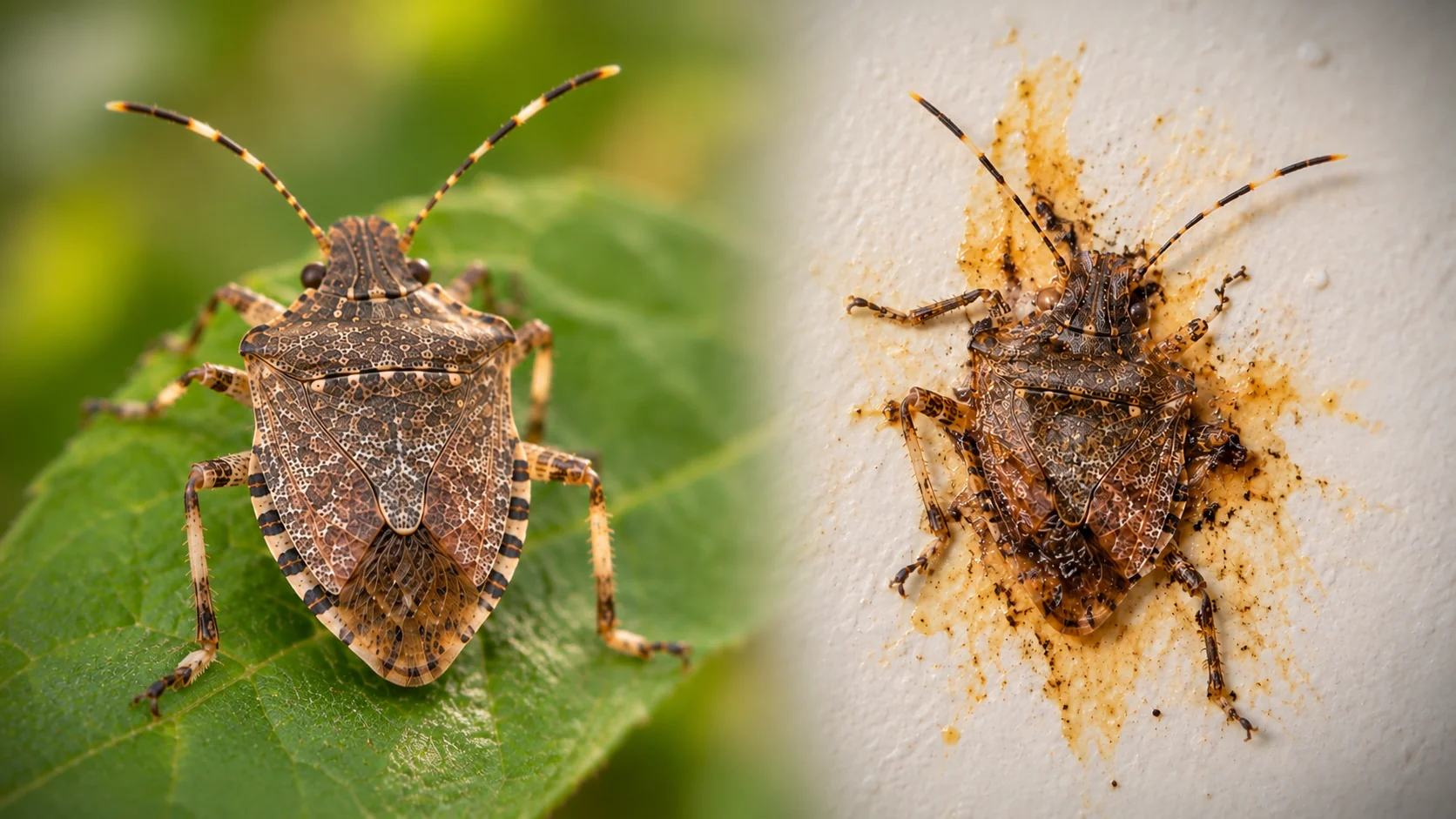
Is it harmful to breathe stink bug odor?
Breathing stink bug odor is not harmful for most people. The vapor from a single bug is too dilute to cause real harm. People with asthma, allergies, or sensitive airways may cough or feel throat or nose irritation, especially in a small closed room.
What do stink bugs smell like when squished?
Squished stink bugs smell sharp, pungent, and herbal. The most common comparison is cilantro (coriander), since the bugs and the plant share some of the same aldehyde compounds. Others describe it as acrid, soapy, like burnt rubber, or like a stale, bitter version of fresh-cut herbs. The odor is stronger and lasts longer than from an undisturbed bug because crushing releases much more of the oily fluid at once.
How long does stink bug smell last on skin?
Stink bug odor on skin typically fades in a few hours, though it can hang around longer if you don’t wash it off. The smell comes from oily defensive compounds, such as tridecane and aldehydes, which stick to skin after the bug is handled or startled.
Why can’t I smell stink bugs?
You might not smell stink bugs because people vary in how well they detect particular odors, and differences in smell receptors could be part of the reason, although this hasn’t been confirmed for stink bug scent specifically. A stuffy nose or a long stretch around the odor can also dull your sense of it, a effect known as olfactory fatigue. It’s also possible the bug simply hasn’t released much of its spray, so there’s little to detect.
Do stink bugs only smell when crushed?
No, stink bugs don’t only smell when crushed, but crushing produces the strongest and longest-lasting odor. They discharge their defensive liquid from glands whenever they sense danger, for example when they are squeezed, pinched, or pulled into a vacuum. Squashing one spreads that liquid across surfaces, which is why the smell sticks around. A bug that is left alone gives off very little.
How do you stop stink bugs from getting in your house?
You stop stink bugs from getting in by closing off the openings they use before they start looking for winter shelter in the fall. They are drawn to warm, sunny exterior walls and can squeeze through gaps around windows, doors, siding, vents, and pipes. Caulking cracks, mending torn screens, and adding weatherstripping and door sweeps blocks most of these routes. This matters because bugs that settle inside walls or attics can wander into living spaces on warm winter days.
What does a dead stink bug smell like?
A dead stink bug usually smells faint or like nothing at all, because the defensive chemicals are released when the bug is alive and stressed. If it died while being crushed or disturbed, you’ll get the usual sharp, herbal odor for a while. A bug that has been dead for days or weeks in a wall void or light fixture may give off a mild musty or stale smell as it dries out. A large pile of dead ones, as in an attic, can smell more noticeably.
Is stink bug smell bad for you?
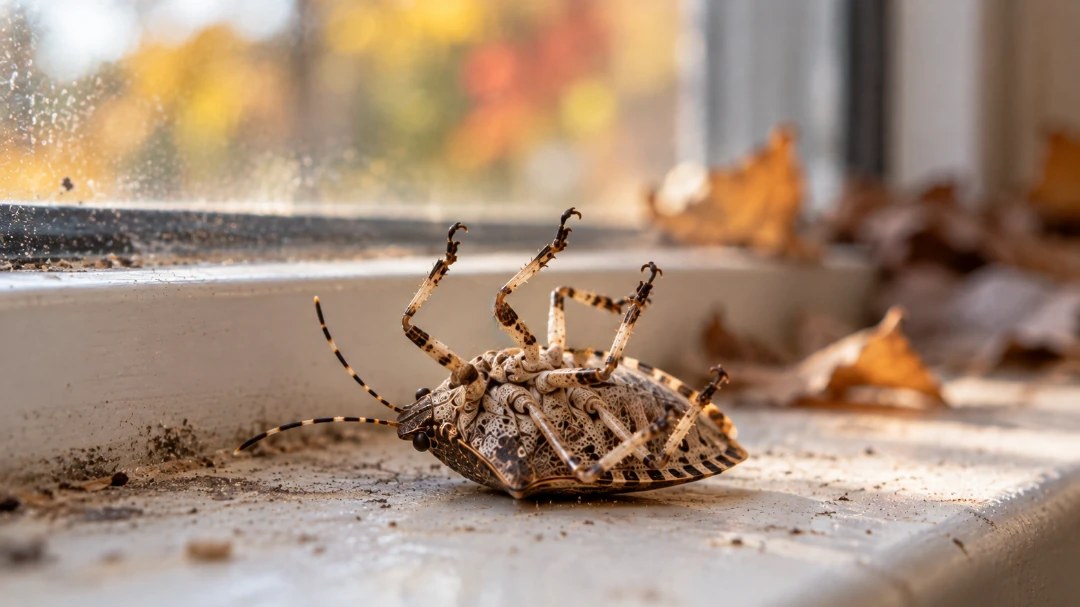
Stink bug smell is generally not bad for you. It’s unpleasant, but the amounts released are tiny and the chemicals are mild irritants, not poisons. The liquid can cause skin redness or sting the eyes, and some people get a headache or nausea from the odor. A small number of people develop allergy-like symptoms, such as a runny nose or itchy eyes, after repeated exposure to large numbers of the bugs indoors.
Why do stink bugs smell like green apple?
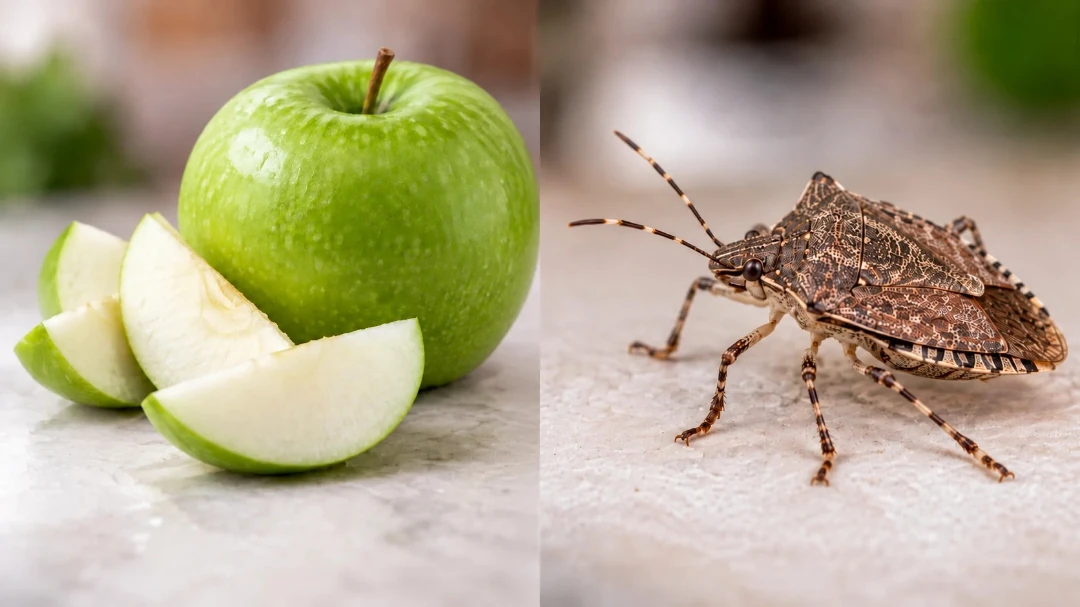
Stink bugs smelling like green apple is not the usual description, but some people do pick up a fruity or green note. Their defensive fluid is a mix of aldehydes in an oily carrier, and aldehydes can smell green, waxy, citrusy, or fruity depending on the compound and its concentration. Most people compare the odor to cilantro, and the one you notice depends on the species, how much fluid was released, and how your nose handles those compounds. So the apple note is plausible, but it’s a matter of perception rather than a distinct apple chemical.
Are stink bugs dirty?
Stink bugs are not dirty in the way flies or cockroaches are. They feed on plant sap and fruit, not on garbage or waste, and they don’t spread disease to people or contaminate food the way those pests do. They can still be a nuisance indoors, since they leave a smelly residue if crushed and can occasionally stain surfaces. They are best described as a harmless but annoying pest, not an unsanitary one.
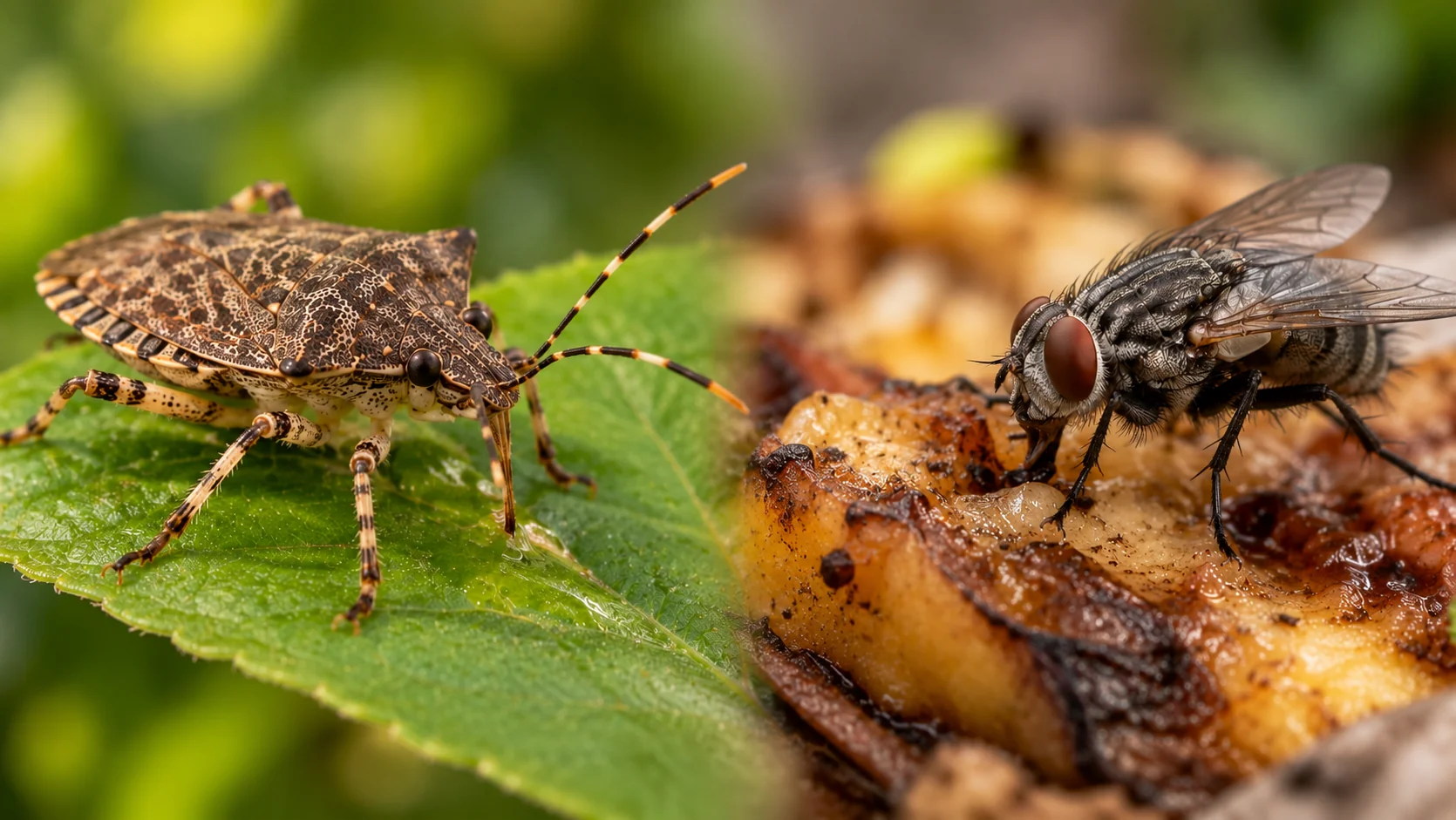
Explain why stink bugs invade homes.
Stink bugs invade homes because they need a protected place to survive the winter. As autumn days shorten and temperatures drop, adults leave fields and gardens and look for cracks and crevices, which in nature would be rock gaps or tree bark. A house works just as well, especially its sun-warmed walls. They squeeze through gaps around windows, siding, vents, and utility lines, then settle into wall voids, attics, and other sheltered spots in a dormant state. On warm winter days or in spring, the heat inside can wake them and send them wandering into living areas, which is why people suddenly see them indoors. They aren’t there to feed or breed, so they won’t damage your home or multiply inside.
Does killing stink bugs attract more stink bugs?
Killing stink bugs does not appear to attract more of them, despite the common belief. The chemicals released when one is crushed are mainly a defense and a warning, and some may act as an alarm signal, which would more likely discourage others than draw them in. The chemical that actually draws brown marmorated stink bugs together is an aggregation pheromone made by males, which is a different substance and is released by live bugs, not squashed ones. More bugs showing up after you kill one is usually because the real cause, such as gaps in the house or the fall migration, is still there. Dead bugs left lying around can attract scavengers like carpet beetles, so it’s best to clean them up.
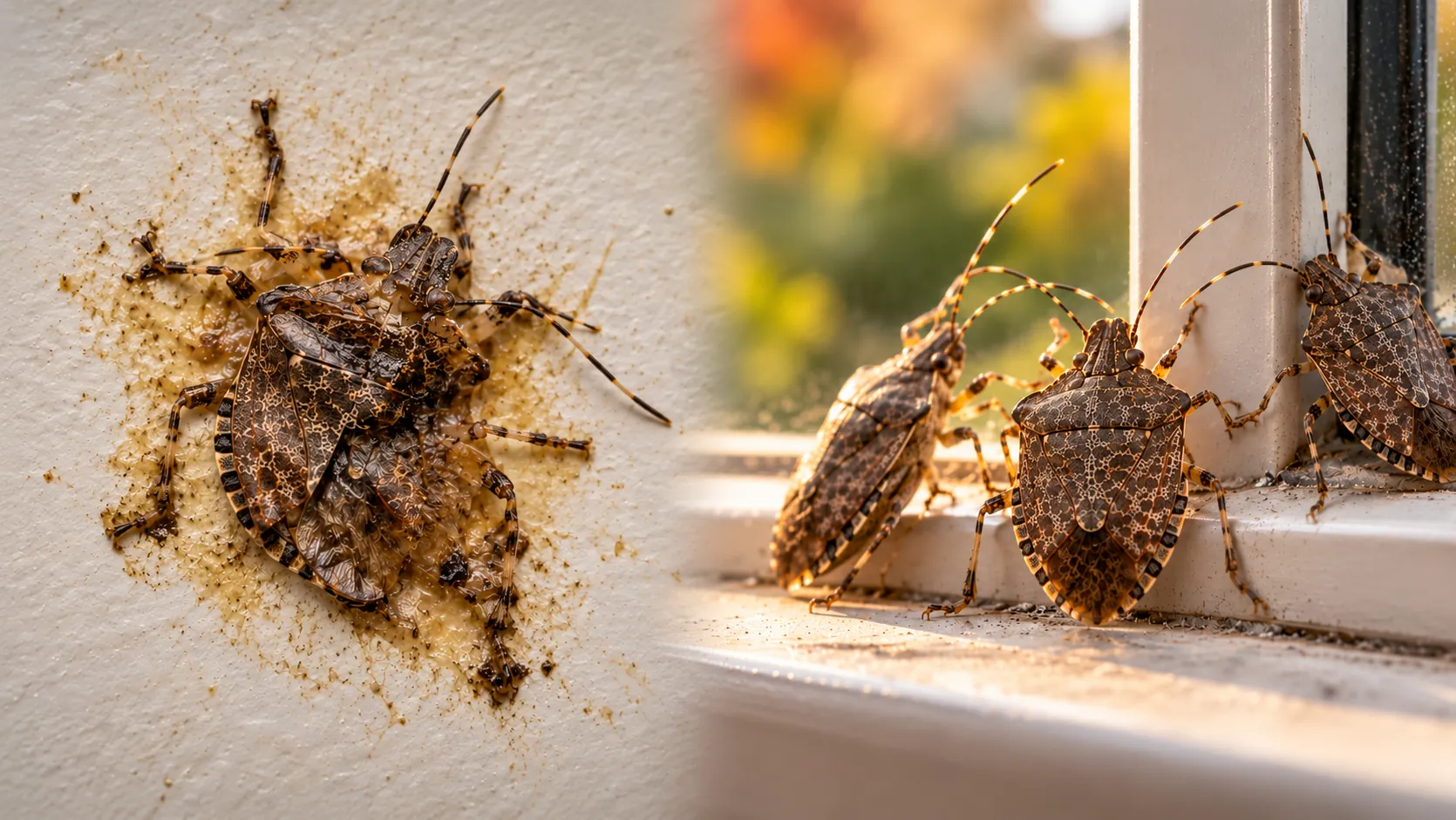
Do stink bugs smell when they die naturally?
A stink bug that dies naturally usually has little or no smell. The defensive odor is released as an active reaction to threat, so a bug that dies of old age, cold, or dehydration doesn’t trigger it. Over time, a dead bug in a wall void or light fixture may give off a faint musty or stale smell as it dries out, but this is mild. A large number of dead bugs in one spot, such as an attic, can be more noticeable.
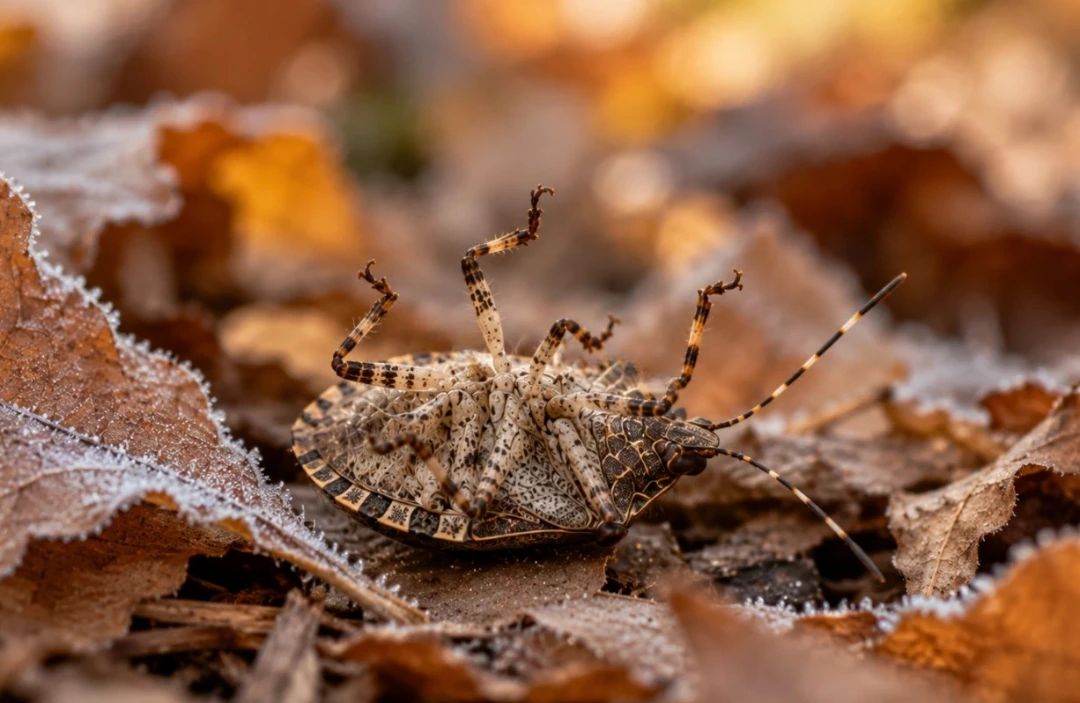
Do stink bugs bite humans?
No, stink bugs do not bite humans. Stink bugs do have piercing-sucking mouthparts, but those are built for plants, not skin. Unlike mosquitoes, biting flies, and bed bugs, they don’t feed on blood, so people are not a food source. Most stink bug species feed on plants, including seeds, nuts, and fruit. A few species are predators that eat caterpillars and other insects.
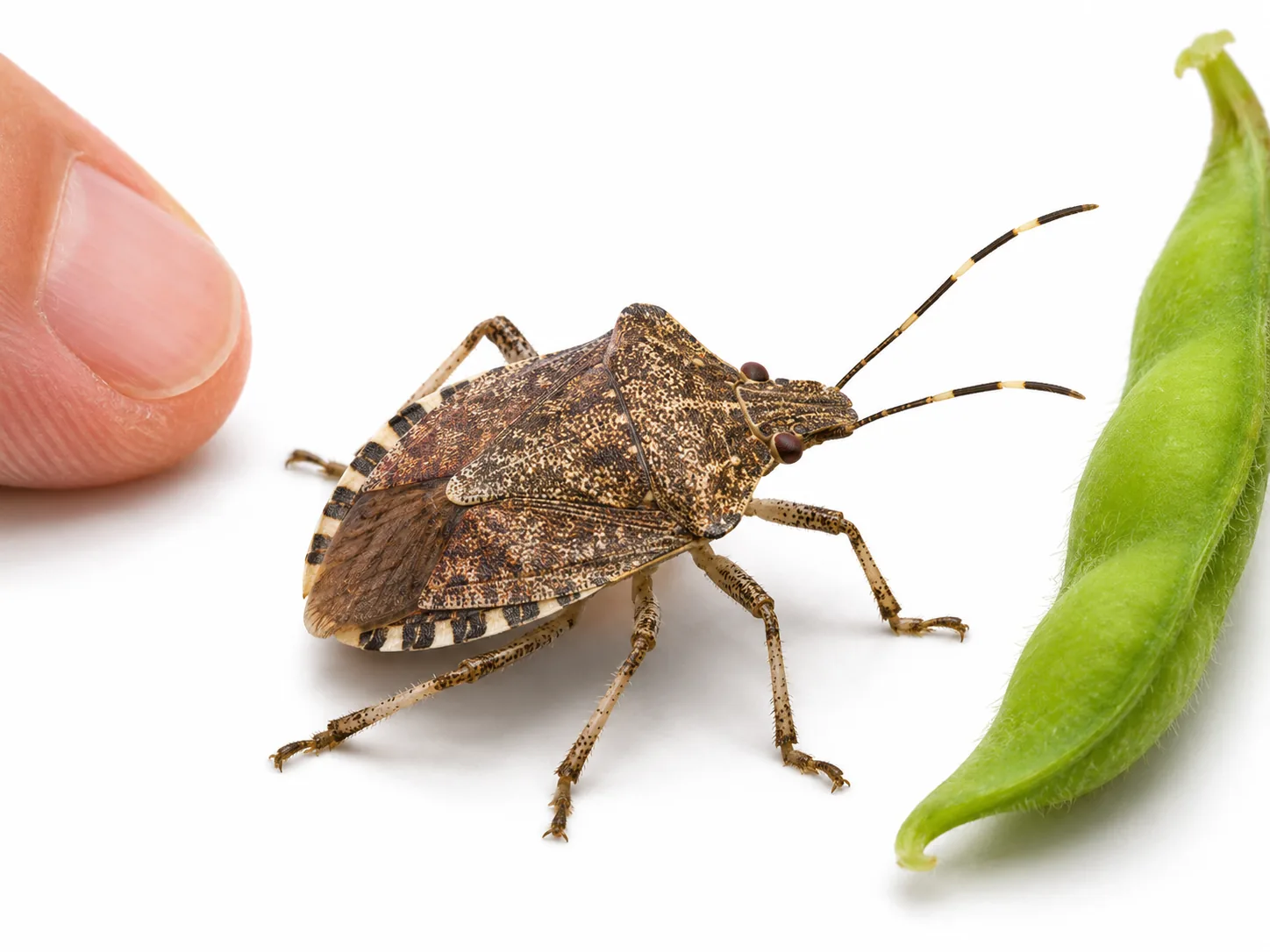
Are stink bugs dangerous?
Stink bugs are generally not dangerous to people or pets. They don’t bite like mosquitoes, have no venom, and aren’t known to spread diseases to humans. However, their foul-smelling defensive chemicals can irritate skin and eyes, trigger allergic reactions in sensitive individuals, and potentially aggravate existing asthma symptoms. Pets that eat stink bugs may experience temporary drooling or vomiting. Unlike termites, stink bugs don’t damage wooden structures or reproduce inside homes, but they can gather in large numbers during fall. Their biggest threat is to gardens and agricultural crops, where their feeding damages fruits and vegetables.
Can stink bugs sting?
No. Stink bugs have no stinger and cannot inject venom. If someone experiences a stinging sensation after touching a stink bug, it may result from irritation caused by its defensive secretions, accidental pressure against the skin, or contact with another insect. Although stink bugs have piercing-sucking mouthparts, they primarily use them to feed on plants, not humans.
Can stink bugs fly?
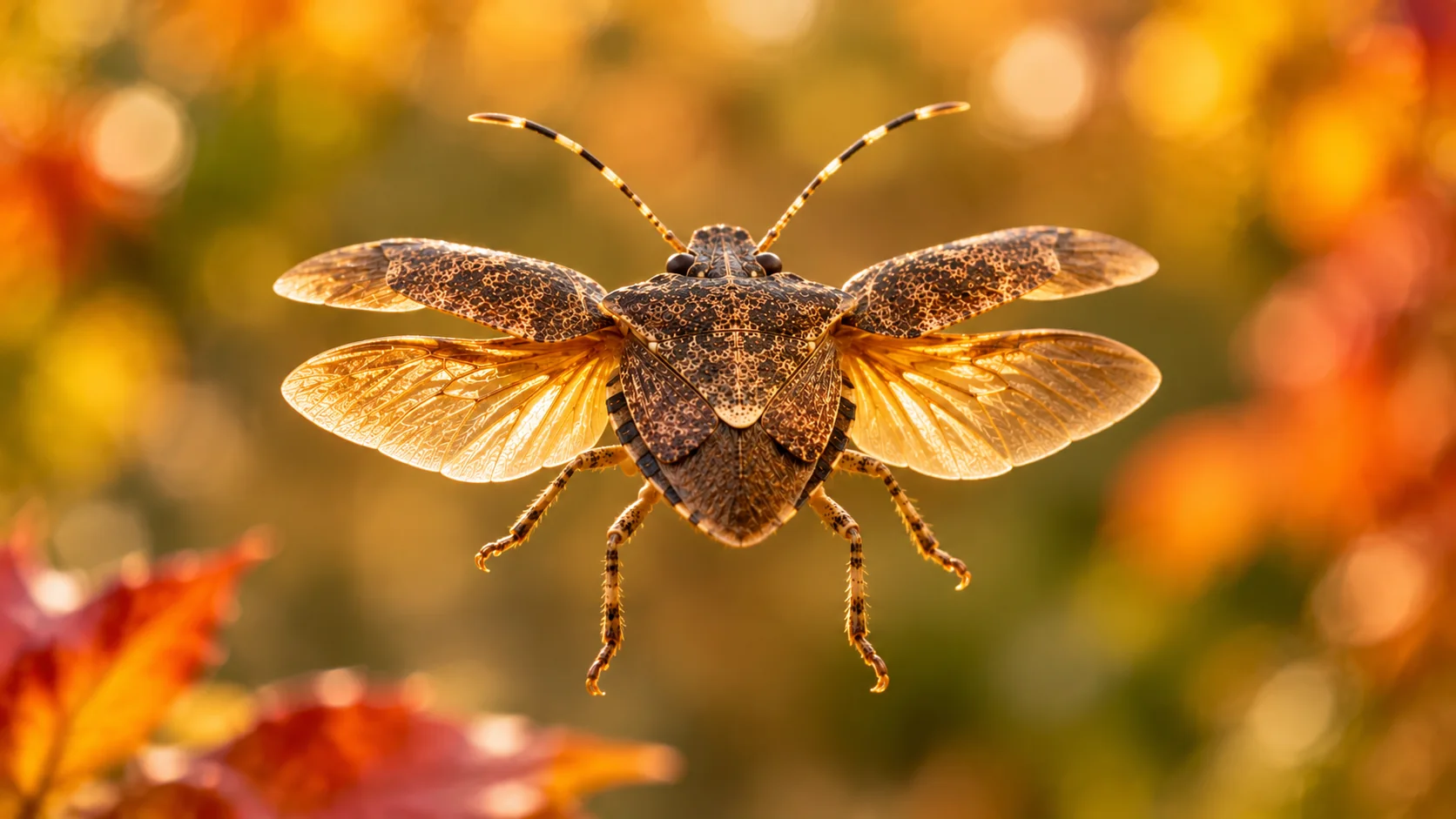
Yes, adult stink bugs can fly, although their flight is often noisy and clumsy, causing them to bump into walls and windows. Their ability to fly allows them to reach roofs, attics, and upper floors, making it harder to keep them out of homes. During fall, stink bugs seek sheltered places to spend the winter, entering through small gaps around rooflines, attic vents, siding, windows, and doors. Sealing only ground-level openings may not be enough, since they can easily reach entry points higher up.
Are stink bugs attracted to light?
Yes, stink bugs are attracted to light and often gather around lamps, windows, and other bright areas. However, warmth and shelter are bigger reasons they approach homes, especially in fall when they gather on sunny exterior walls. Once indoors, stink bugs may stay near windows and light fixtures or hide behind furniture, in closets, and in attics. They enter homes primarily for shelter, not food.