

Pests and Allergies: Which Bugs Trigger Health Issues?
When homes invite unwelcome visitors like cockroaches, dust mites, or fleas, the trouble isn’t always visible. What many don’t realize is that it’s not merely the bite or creepy movement that poses a risk, but the microscopic allergens they carry.
How Airborne Pest Allergens Affect Your Respiratory System
Proteins found in insect saliva, feces, or shed body parts often become airborne or attach to surfaces, triggering immune responses in sensitive individuals. For people with asthma or pre-existing respiratory conditions, these allergens can ignite:
- Coughing
- Wheezing
- Sneezing
- In some cases, severe allergic reactions
TL;DR: Pests and Allergies
- Not just pest bites are dangerous—allergens are the real threat. Proteins in insect saliva, droppings, and shed body parts trigger immune responses, especially in people with asthma or respiratory conditions.
- Cockroaches are among the most potent allergen sources, with droppings and body fragments linked to worsened asthma symptoms.
- Dust mites, common in mattresses, pillows, and carpets, cause sneezing, watery eyes, and chronic congestion.
- Bed bugs don’t spread disease, but bites can cause itchy welts and allergic reactions in sensitive individuals.
- Fleas and ticks, often introduced by pets, can cause itching, allergic responses, and disease transmission.
- Rodents leave behind urine and dander that become airborne and trigger allergy symptoms.
- Termites don’t cause allergies directly but promote mold growth in damaged wood, which is a separate respiratory hazard.
- Integrated Pest Management (IPM)—inspection, monitoring, and targeted treatment—reduces chemical exposure while controlling pests.
- At-home prevention includes reducing humidity, sealing entry points, frequent cleaning of textiles, and natural deterrents.
- Professional help (e.g., pet-safe treatments, tick yard treatments) is recommended when allergy symptoms persist or infestations are severe.
- Bottom line: Managing pests effectively and minimizing allergen exposure requires a layered approach—routine cleaning, smart prevention, and professional intervention when needed.
Pests & Allergies
- Common Pests that Trigger Allergies
- Integrated Pest Management (IPM)
- Pet Friendly Pest Control
- Prevention & Cleaning
- Professional Pest Control
Common Household Pests That Trigger Allergies
Not all pests pose the same risk to your health, but several common intruders are directly linked to allergy and asthma symptoms. Understanding which pests are behind your sniffles, coughing, or skin reactions is the first step toward targeted, effective relief.
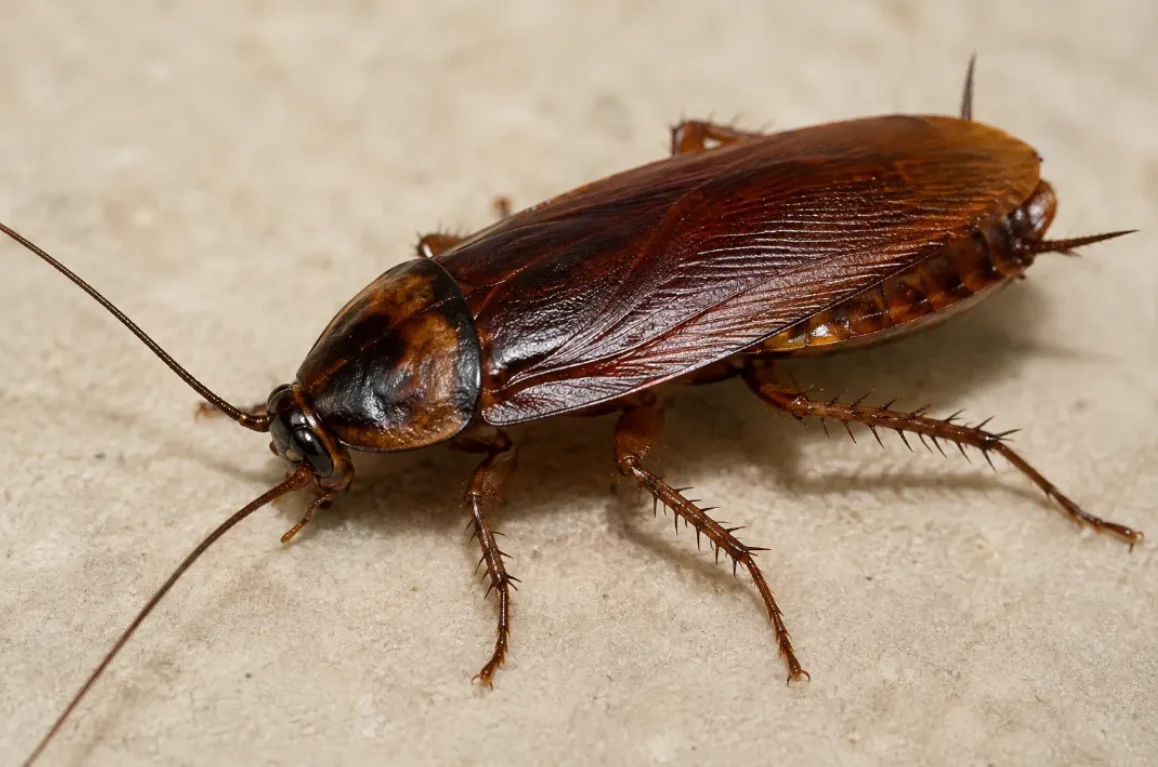
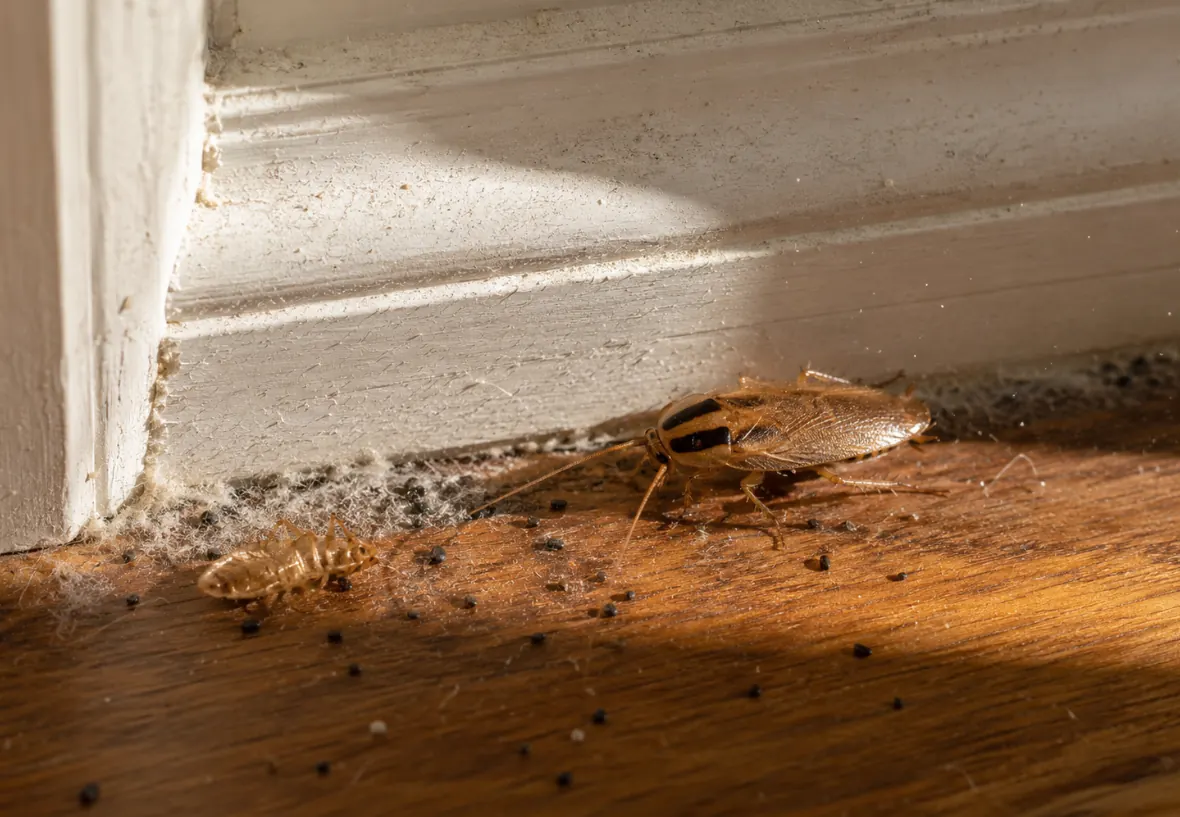
- Cockroaches and Indoor Allergens
Cockroaches are notorious for provoking allergies. Their droppings and body fragments contain potent allergens that can worsen asthma attacks.
- Dust Mites in Your Bedding
Dust mites, practically invisible to the naked eye yet thriving in mattresses, pillows, and carpets, can cause sneezing, watery eyes, and chronic congestion.
- Bed Bug Bites and Allergic Reactions
Even though bed bugs don’t spread illnesses, their bites may lead to itchy welts, and for those prone to allergic reactions, the results can go beyond discomfort.
- Fleas, Ticks, and Pet-Related Allergies
Fleas and ticks tend to turn up in homes with pets. Flea control becomes especially important when simple bites provoke itching or more intense allergic responses, while ticks don’t just spread diseases—they can leave allergic reactions in their wake.
- Termites and Mold-Related Allergy Risks
Although termites don’t trigger allergies directly, they often foster mold growth in damp, damaged wood—mold that becomes a hidden threat to respiratory health.
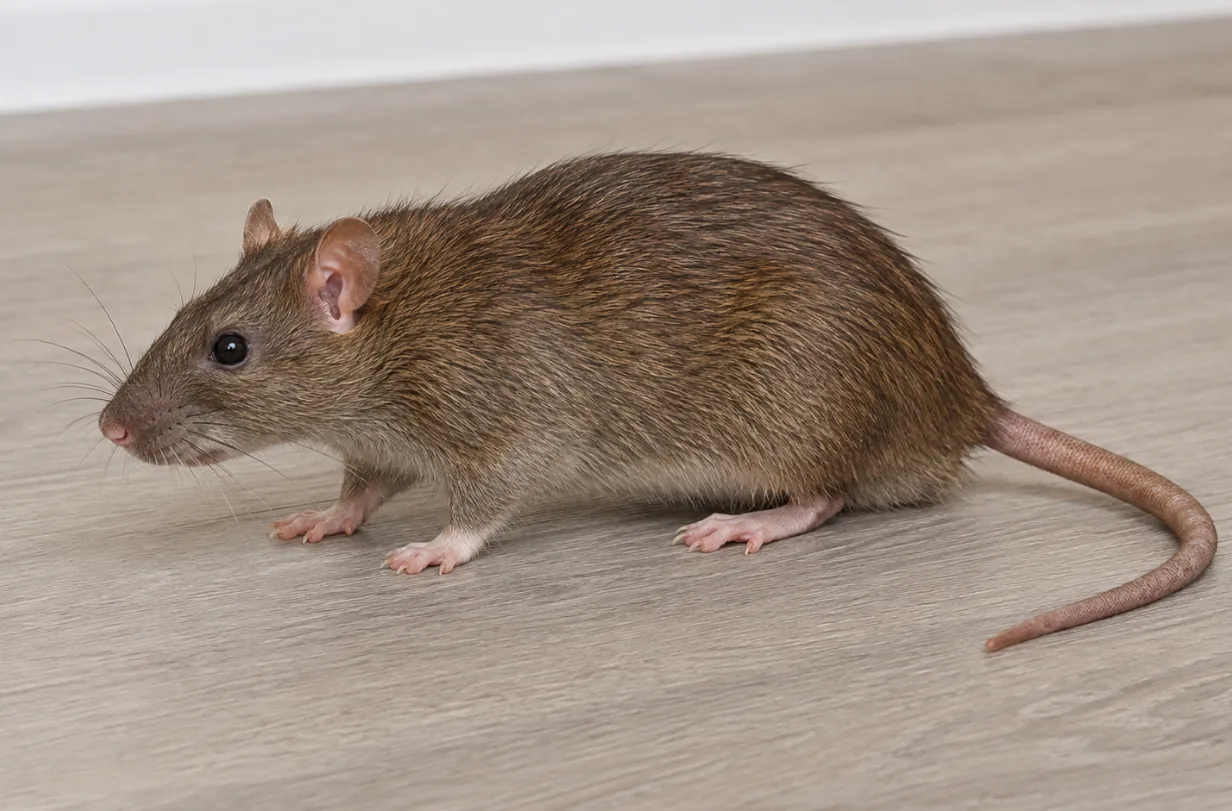
- Rodents and Airborne Allergens
Rodent control isn’t only about traps and exterminators. Rodents like mice and rats leave behind urine and dander that waft through the air, igniting allergic episodes.
Balancing Effective Pest Control With Household Safety
Getting rid of pests is only part of the equation for many homeowners — doing it safely matters just as much. Whether it’s dealing with roaches, termites, rodents, or fleas, the real priority is protecting the household without introducing new risks. This is especially true for families with pets, children, or members who suffer from allergies, where the wrong treatment approach can create more problems than it solves. Effective pest control means balancing results with safety, not choosing one over the other.
The Role of Integrated Pest Management (IPM)
Allergists often emphasize integrated pest management, or IPM, as an effective approach that blends inspection, monitoring, and targeted treatments while minimizing reliance on harsh chemicals. Biological controls—like beneficial parasitoids or fungi—can further suppress pest populations without introducing new health risks.
Cleaning strategies that help reduce allergens:
- Removing dust and allergens from textiles
- Sealing gaps to prevent rodent entry
- Reducing humidity to deter dust mites
– those are all effective steps.
Yet, some situations require professional arrangements—especially when one is juggling flea infestations or worrying about tick prevention in homes with pets.
Pet-Friendly Pest Control Treatments
That’s where Green Pest Management—or your local pest control company—can make a difference. With expertise in pet-safe treatments, they can minimize risks while tackling pest issues. Green Pest Management or your local pest control company that will offer a tick yard treatment, and can help you get rid of fleas and ticks in a way that’s effective and safe, ensuring your home stays allergy-friendly without jeopardizing your pets’ health. If allergies are flaring and your own efforts haven’t helped enough, it’s wise to consider calling a pest control provider like Green Pest Management.
Understanding which pests elevate health risks is key.
- Cockroaches and dust mites produce allergens that trigger respiratory symptoms.
- Fleas bring bites and potential allergic reactions.
- Rodents spread airborne irritants through their droppings and shed skin.
- Termites foster mold that can aggravate allergies.
Pest Control Considerations for Pet Owners
Homes with pets often require extra care when it comes to pest control, particularly around flea and tick prevention. Apartment dwellers with pets need treatments that are both safe and effective in tighter living spaces, while dog and cat owners more broadly benefit from consistent, proactive tick prevention to keep their animals — and household — protected.
Combining Vigilance, Cleaning, and Natural Prevention
By combining vigilance with smart cleaning practices and responsible intervention, you can shield everyone in the house. Staying alert for allergy flare-ups coupled with targeted pest control is far more effective than overusing sprays. Natural methods, from reducing dust-mite habitats to using trap crops or volatile organic-compound masking plants in gardens, can also provide a layer of protection.
Choosing the Right Pest Control Approach for Your Needs
Some homeowners lean toward eco-friendly solutions, favoring natural methods, organic approaches for vegetable gardens, or non-toxic options for treating indoor plants. Others, particularly those managing larger properties or commercial spaces, may need more intensive professional intervention, such as targeted roach extermination or rodent control services built for commercial settings. Regardless of the approach, the underlying goal stays the same: reduce allergen exposure while keeping pest populations under control.
Building a Layered Strategy for Pest and Allergy Control
It’s often a layered approach—
- Routine cleaning,
- Allergy-conscious cleaning,
- Sealing entry points,
- If needed, calling in professionals who prioritize safety.
When allergies intersect with pest problems, the double threat calls for careful, informed responses. Your immune system isn’t concerned with whether a treatment is organic or conventional—only whether the allergens are kept at bay. A strategy that’s both tough on pests and gentle on people and pets is essential.
When to Call in Professional Pest Control
Remember that while cleaning, natural remedies, and prevention tips are valuable, expert help is never off the table. Green Pest Management or your local pest control company that will offer a tick yard treatment, and can help you get rid of fleas, can provide that safe, effective intervention when everyday measures aren’t enough. Collaborating with professionals ensures you’re not scrambling in crisis mode, and can keep allergies manageable in a pest-free home.
References
Verywell Health. (n.d.). Cockroach Allergy. https://www.verywellhealth.com/cockroach-allergy-83004
Verywell Health. (n.d.). Dust Mite Allergens. https://www.verywellhealth.com/dust-mite-allergens-7558219
Wikipedia. (n.d.). Integrated Pest Management. https://en.wikipedia.org/wiki/Integrated_pest_management
Wikipedia. (n.d.). Biological Pest Control. https://en.wikipedia.org/wiki/Biological_pest_control
Wikipedia. (n.d.). Beneficial Weed. https://en.wikipedia.org/wiki/Beneficial_weed