Pests and Weather: How Seasonal Changes Affect Infestations
If you’ve ever wondered why pests seem to arrive in waves—ants in the spring, mosquitoes in the summer, rodents in the fall—it’s not random. Their habits are tied directly to the weather. Temperature, rainfall, and even humidity all play into when pests breed, where they search for food, and how quickly they move into our homes. Once you start paying attention to the patterns, it becomes clear why infestations rise and fall with the seasons.
Discover Pest Activity for Each Season
TL;DR: Why Pests Follow the Seasons
Pest activity isn’t random—it’s driven by temperature, rainfall, and humidity, which control when pests breed, forage, and move indoors.
Spring: The Comeback Season
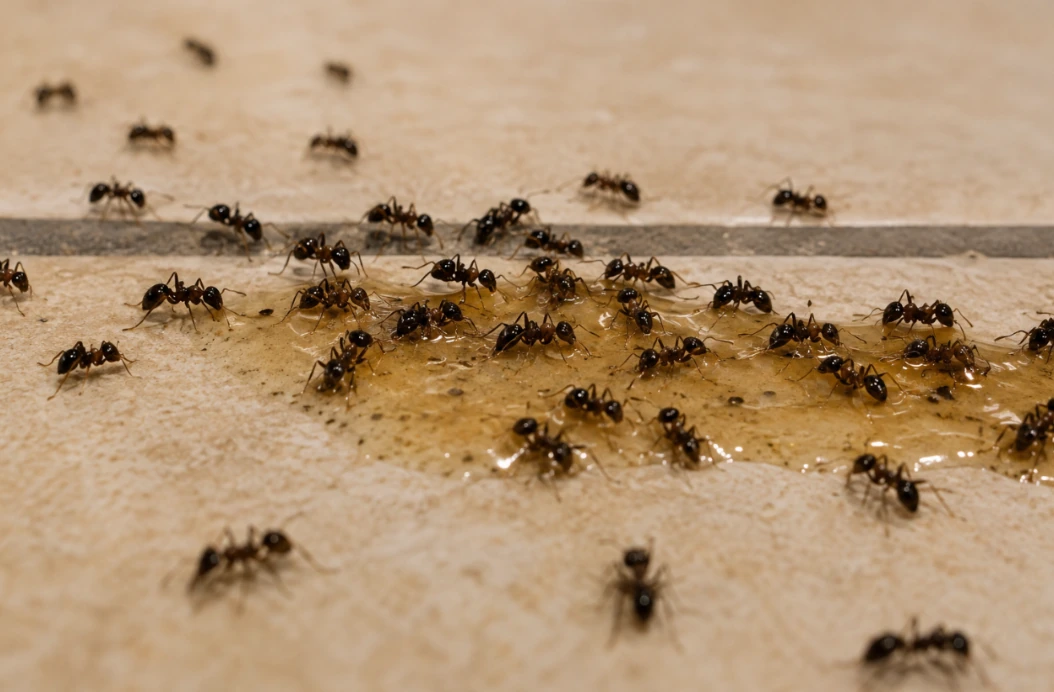
- Ants – Heavy spring rains flood colonies, forcing them to march indoors, especially into kitchens (food + shelter)
- Termites – Warm, rainy spring weather can trigger termite swarms, while moisture buildup near foundations can attract termite activity. Spring is a good time to schedule a professional termite inspection.
- Mosquitoes – Begin breeding once temps hold above 50°F, laying eggs in any stagnant water (gutters, flowerpots, etc.)
Summer: Peak Activity
- Cockroaches – Heat and humidity speed up their life cycle; allergens from infestations can trigger asthma/allergies, especially in kids
- Bed bugs – Spread more due to increased travel (hotels, planes, public spaces); hard to eliminate without professional treatment
- Mosquitoes – Hit their peak, disrupting outdoor activities; standing-water removal helps, but heavy infestations often need barrier treatments
- Rodents – Not usually a “summer pest,” but populations grow outdoors now, setting up problems for fall
Fall: The Big Move Indoors
- Rodents – Lead the seasonal shift indoors; mice can squeeze through openings as small as a dime and multiply rapidly.
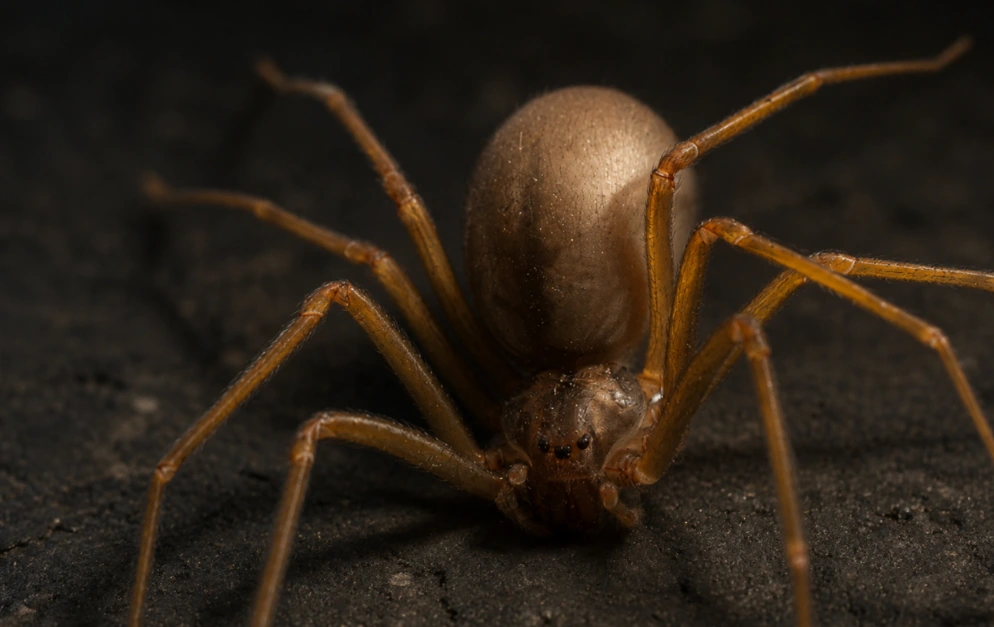
- Spiders – Follow prey (like rodents/insects) indoors
- Ticks & fleas – Stay active through mild autumn weather into October/November; fleas remain a year-round pet concern in many climates
Winter: Seeking Shelter, Not Gone
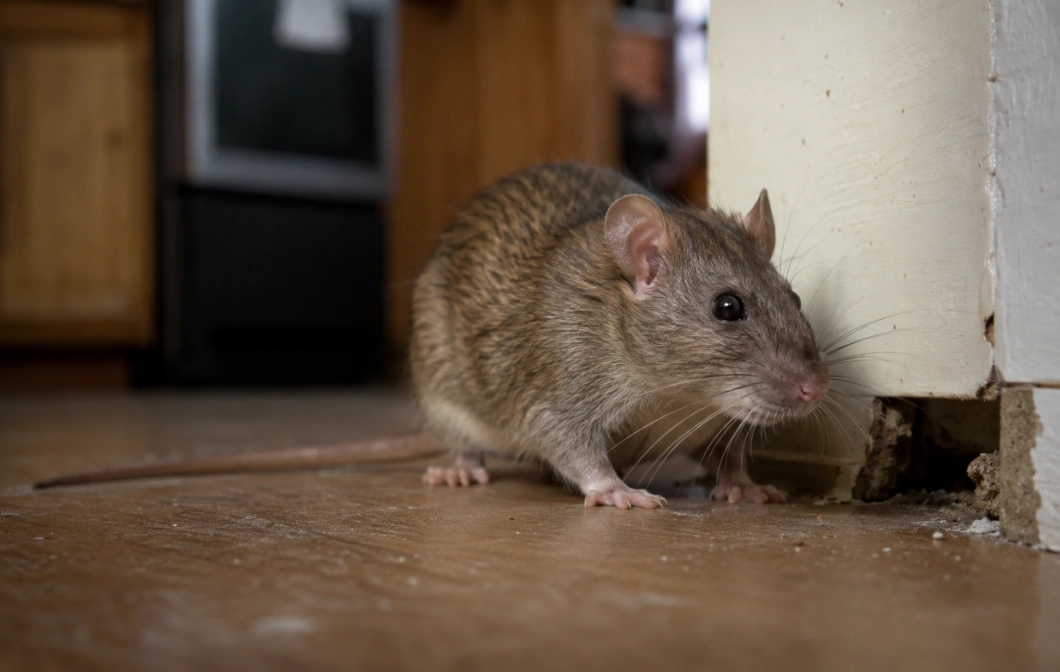
- Rodents – The most common winter invaders; damage wires, insulation, and stored items
- Cockroaches – German cockroaches thrive indoors near heat/moisture (kitchens, bathrooms)
- Bed bugs – Stay active due to heated homes + holiday travel
- Termites – Slow down in frozen northern soil, but remain active year-round in mild southern climates

Spring: The Season of Comebacks
Spring is when everything wakes up, pests included. As the soil warms and rains arrive, insects leave winter hiding spots and begin looking for new food sources.
- Ants
Ants are usually the first to appear. Heavy spring rains often flood their colonies, sending them marching into homes.
Kitchens are prime territory since they offer both food and dry shelter, which is why so many homeowners suddenly search for “pest control near me” at this time of year.
- Termites
Termites also become more active in spring. If you’ve seen winged insects swarming near your foundation after a warm rain, that’s a termite colony releasing swarmers to form new nests.
The Environmental Protection Agency warns that damp wood creates perfect conditions for termite activity, and spring showers make infestations more likely. Scheduling a termite inspection in spring can prevent major headaches later on.
- Mosquitoes
Mosquitoes join the party as soon as temperatures hold steady above 50 degrees.
The Centers for Disease Control and Prevention explains that mosquitoes lay eggs in even small amounts of stagnant water, from clogged gutters to forgotten flowerpots. With the first warm weeks of spring, their numbers rise sharply, and so do calls for mosquito control treatments.
Summer: When Activity Peaks
By the time summer rolls around, pests are at full strength. Heat and humidity speed up insect life cycles, which is why problems escalate quickly this time of year.
- Cockroaches
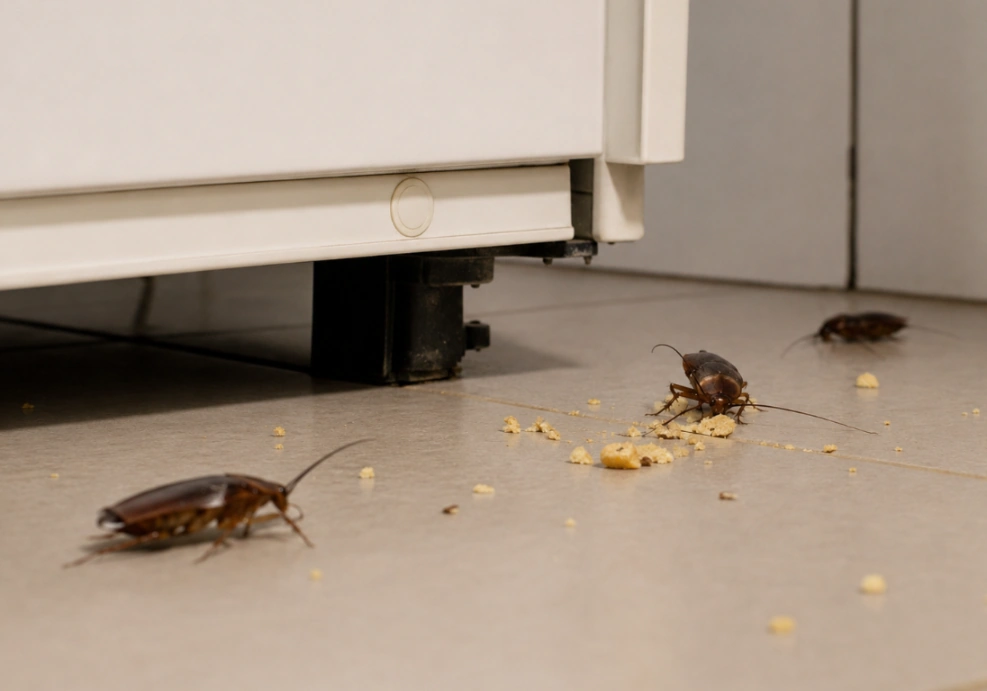
Cockroaches thrive in hot, damp environments, multiplying faster in the summer months.
The National Institutes of Health points out that cockroach allergens can trigger asthma and allergic reactions, especially in children, making infestations more than just an inconvenience.
- Bed Bugs
Bed bugs also tend to spread more during summer. Increased travel means more chances to pick them up in hotels, on airplanes, or even in public spaces.
Once they’re in your home, they’re difficult to eliminate without professional treatment—hence the spike in “bed bug exterminator near me” searches during the warmer months.
- Mosquitoes
Of course, mosquitoes hit their peak in summer. Backyard barbecues, camping trips, and evenings on the porch often end with itchy reminders of their presence.
Eliminating standing water is helpful, but in areas with heavy mosquito populations, a professional barrier treatment often brings the best relief.
- Rodents
Rodents aren’t typically thought of as a summer issue, but it’s during this time that their numbers grow outdoors.
With food and shelter readily available, populations expand quickly, setting the stage for the problems that become more noticeable in the fall.
Fall: The Great Migration Indoors
As days shorten and temperatures dip, pests start moving inside.
- Rodents
Rodents lead the charge, seeking warmth and easy access to food. According to Penn State Extension, mice can slip through openings as small as a dime.
Once indoors, they reproduce quickly, and what starts as a couple of intruders in September can become a full infestation by winter.
- Spiders
Spiders often follow their prey indoors around this time of year. While most species are harmless, their webs and sudden appearances make them unwelcome guests.
- Ticks and Fleas
Ticks and fleas don’t disappear once summer ends. In fact, mild autumn weather allows ticks to remain active well into October and November, and fleas continue to affect pets year-round in many climates.
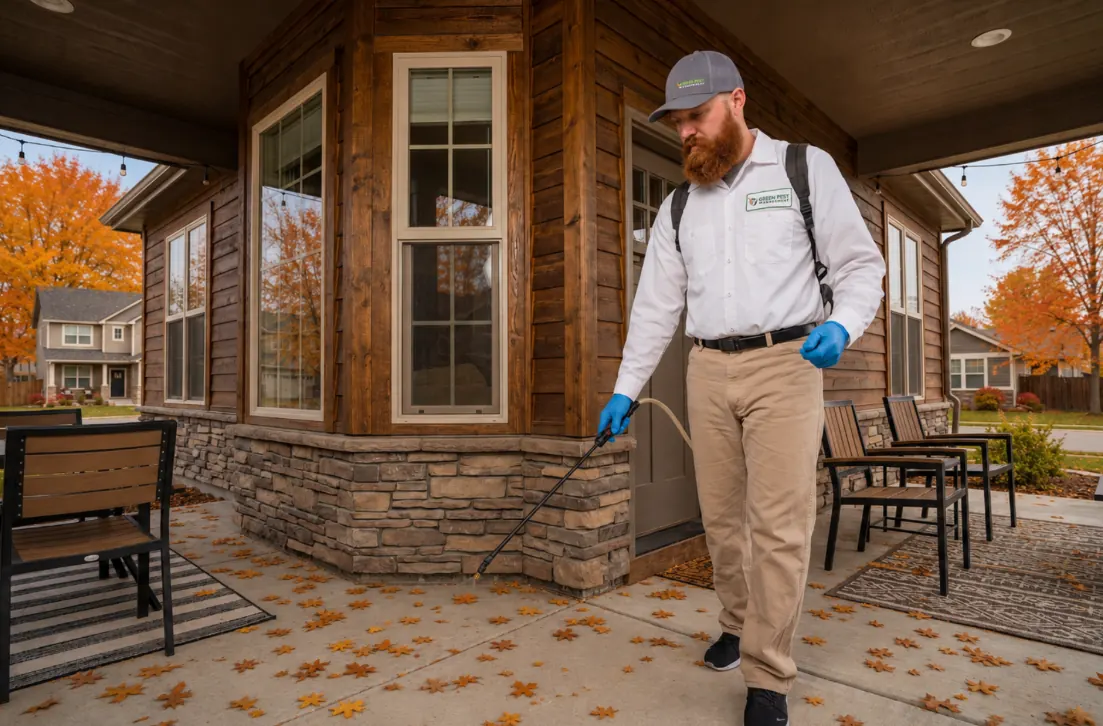
Green Pest Management, or your local pest control company, can provide a tick yard treatment and flea control plan that protects your home and pets long after summer has ended.
Winter: Seeking Shelter
Cold weather doesn’t mean pests are gone; it just changes the game.
- Rodents
Rodents are the most common winter invaders, squeezing into attics, basements, and garages. Once inside, they chew through wires, insulation, and stored belongings, creating damage that goes far beyond nuisance.
- Cockroaches
Cockroaches also make themselves at home during the colder months. German cockroaches, in particular, thrive indoors if they have access to heat and moisture, which is why kitchens and bathrooms remain vulnerable.
- Bed Bugs
Bed bugs don’t take the winter off either. Heated homes and increased holiday travel keep them active, with many infestations spreading as families visit relatives or stay in hotels. Searches for “bed bug treatment” and “bed bug exterminator near me” don’t slow down in December for good reason.
- Termites
As for termites, activity depends on where you live. In northern states, frozen soil can slow them down, but in southern regions where winters are mild, they remain active and continue feeding year-round. Assuming you’re safe just because it’s cold outside can be an expensive mistake.
Staying Ahead of the Seasons
The best way to keep pests from taking over is to think ahead.
- Spring calls for checking gutters and eliminating standing water to cut down mosquito breeding.
- Summer is the time to stay vigilant with sanitation indoors and to reduce clutter where cockroaches and ants can hide.
- Fall is perfect for sealing cracks and gaps before rodents make their move.
- In winter, it’s all about staying alert to signs of activity, from scratching in the walls to droppings in pantries.
Get Professional Pest Control
Still, even with the best preparation, infestations happen. When they do, professional help is often the fastest and safest solution. Or call your local pest control professional, like the ones at Green Pest Management, that specialize in and have experience in pet-safe treatments. Whether it’s protecting your yard from ticks and mosquitoes, removing rodents, or carrying out a full bed bug treatment, a trained team that understands seasonal cycles can help keep your home safe and comfortable year-round.