
Brown Recluse Spiders
Protect Your Property with Our Brown Recluse Spider Control Solutions
Brown Recluse Spider
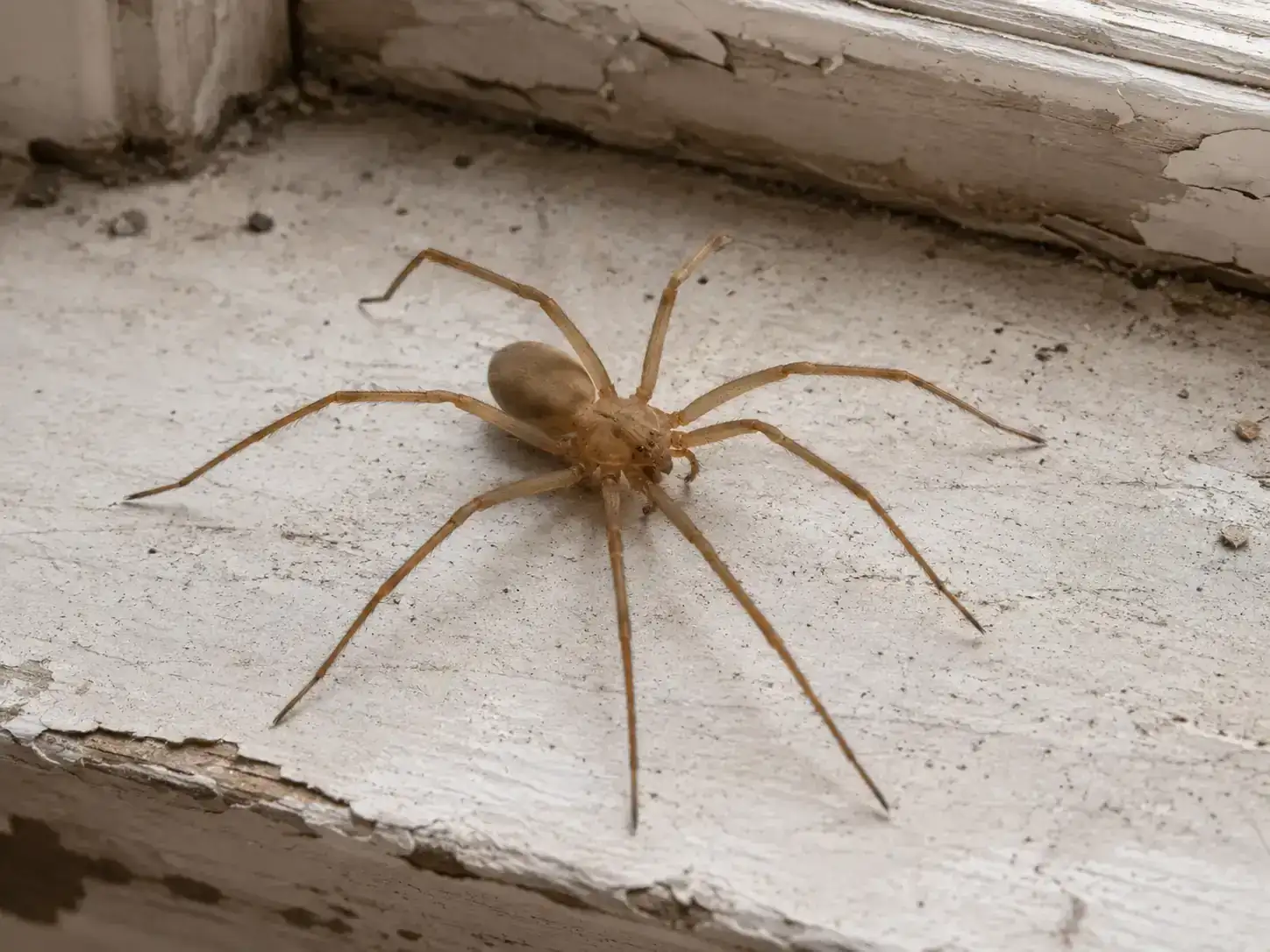
A brown recluse spider is a small, reclusive spider known for its brown color, slender legs, and medically significant bite risk.
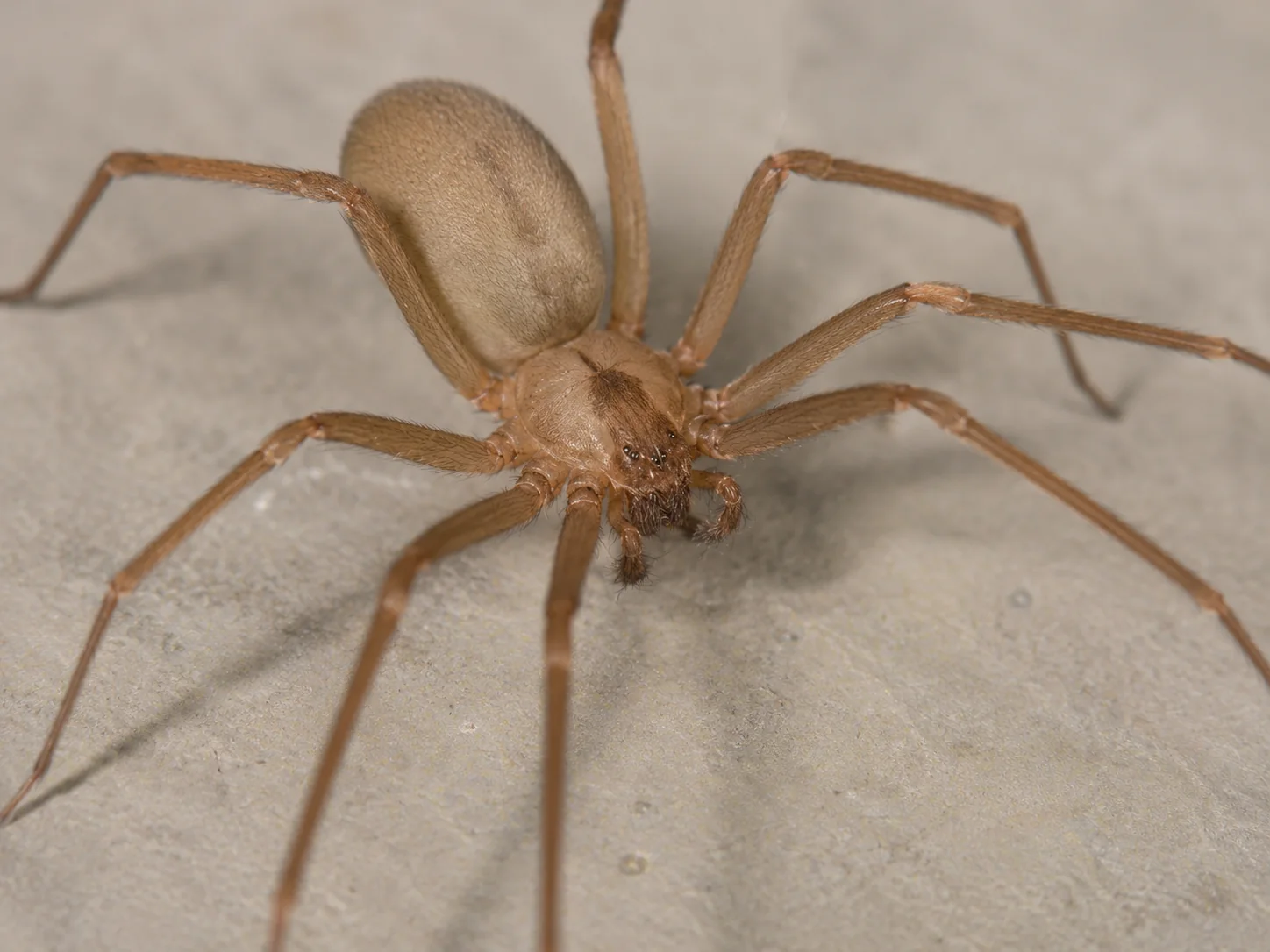
- Brown recluse spiders are often identified by their plain brown body and darker violin-shaped marking on the cephalothorax.
- Brown recluse spiders usually have long, thin legs instead of a hairy or bulky appearance.
- Most brown recluse spiders are light brown, tan, or medium brown.
- They have a soft body, six eyes arranged in three pairs, and a secretive behavior that keeps them hidden in dark, quiet areas.
Brown Recluse Spiders - Navigation
- Brown Recluse Spider
- Brown Recluse Spiders and Life Expectancy
- Where Brown Recluse Spiders Live in the USA
- Spiders and Why Professional Control Matters
- When Brown Recluse Spiders Become a Problem
- Are Brown Recluse Spiders Dangerous?
- What Do Brown Recluse Spiders Eat?
- Brown Recluse Spider vs Black Widow Spider
- How to Prevent Brown Recluse Spiders
- How to Get Rid of Brown Recluse Spiders
- Get Rid of Brown Recluse Spider Issues With Green Pest Management
- Why Choose Green Pest Management Brown Recluse Spider Exterminators?
- Brown Recluse Spiders: Detailed Analysis
- Questions & Answers
Questions & Answers Navigation
Brown Recluse Spiders and Life Expectancy
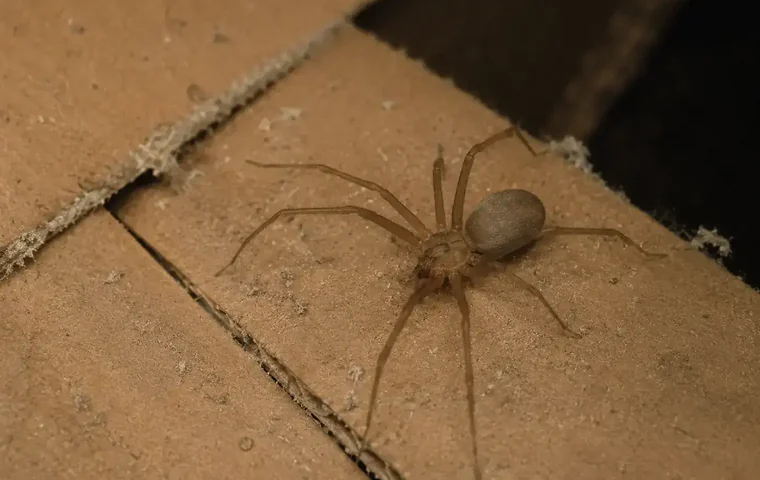
Brown recluse spiders usually live about one to two years, though some may survive longer in protected indoor areas with stable shelter.
- Eggs are laid inside silken egg sacs hidden in quiet, protected spaces.
- Young brown recluse spiders hatch as spiderlings and grow by molting several times.
- Developing spiders may take many months to reach adulthood, depending on temperature, food, and shelter conditions.
- Adult brown recluse spiders remain secretive and usually stay active in dark, undisturbed areas.
- Brown recluse spiders may survive for long periods without food, which can make indoor infestations difficult to notice.
Where Brown Recluse Spiders Live in the USA
Brown recluse spiders are found mainly in the central and south-central United States, especially in warm, dry, and sheltered environments.
- Brown recluse spiders are most commonly associated with parts of the Midwest, South, and lower central states.
- Their established range includes areas such as Missouri, Kansas, Oklahoma, Arkansas, Tennessee, Kentucky, and nearby states.
- Around homes, they often hide in basements, attics, closets, garages, crawl spaces, storage boxes, furniture, wall voids, and undisturbed clutter.
- Brown recluse spiders prefer quiet places where they can stay hidden during the day and hunt small insects at night.
Spiders and Why Professional Control Matters
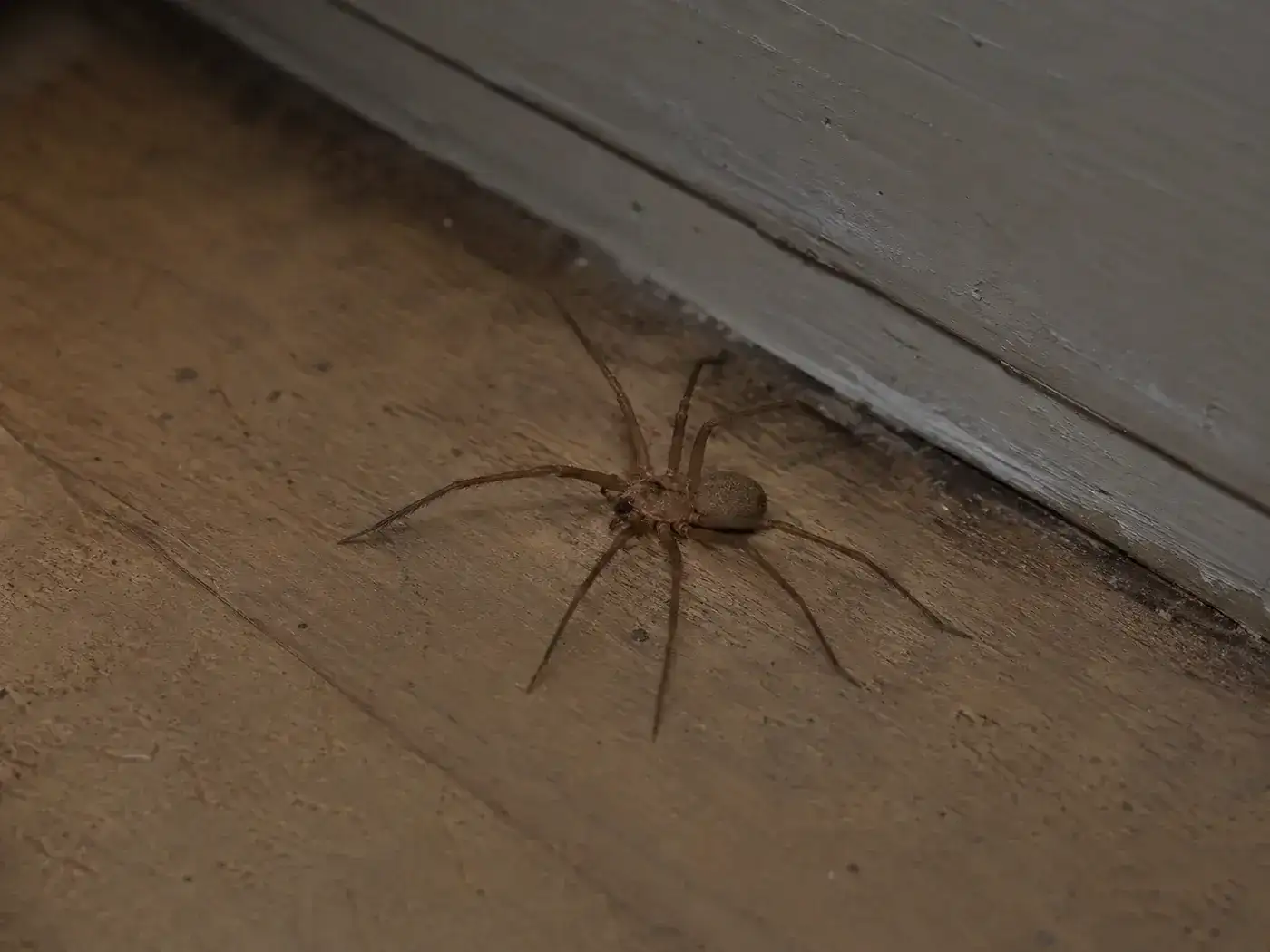
Spiders include brown recluse spiders, black widow spiders, wolf spiders, and other arachnids that can become a concern when they hide near homes, businesses, basements, garages, crawl spaces, sheds, storage areas, or outdoor entry points.
- Although many spiders help reduce insect activity in nature, some species can create concern when they live too close to people or pets.
- Black widow spiders and brown recluse spiders have medically significant venom, so suspected activity should be handled carefully.
- Wolf spiders are usually not considered dangerous, but their size, speed, and indoor activity can still make them alarming for homeowners.
- Brown recluse spiders are secretive and often hide in dark, undisturbed spaces, which can make infestations harder to notice without a careful inspection.
- Green Pest Management helps control brown recluse spiders, black widow spiders, wolf spiders, and other spiders with inspections, targeted treatments, and safe Integrated Pest Management methods.
- These methods help reduce current spider activity and help prevent future problems.

When Brown Recluse Spiders Become a Problem
Brown recluse spiders become a problem when they begin living, hiding, and reproducing inside quiet areas of a home instead of staying in secluded outdoor shelter. The main concern is not usually one spider, but repeated indoor activity that can point to a hidden population in undisturbed spaces.
- Common hiding areas include basements, attics, closets, garages, crawl spaces, storage boxes, furniture, wall voids, sheds, and cluttered rooms.
- A single spider sighting may not confirm a major infestation, but repeated sightings can suggest ongoing activity nearby.
- Brown recluse activity may be noticed when spiders are found in shoes, clothing, bedding, towels, boxes, or stored items.
- Shed skins, egg sacs, or irregular silk retreats may appear in protected corners, storage areas, or hidden gaps.
- Bites may happen when a brown recluse is accidentally pressed against the skin inside clothing, shoes, bedding, or stored materials.
- Because brown recluse spiders are secretive and active mostly at night, indoor problems can grow before homeowners realize how much activity is present.
Over time, these signs can make brown recluse spider activity more than a minor nuisance, especially when hidden populations continue in the same indoor areas year after year.
Are Brown Recluse Spiders Dangerous?
Brown recluse spiders can be a concern because their bites are medically significant, but they are not aggressive and usually try to stay hidden. Most bites happen when a spider is accidentally pressed against the skin inside clothing, shoes, bedding, towels, or stored items. Some brown recluse bites may cause mild irritation, while others can lead to worsening pain, blistering, skin breakdown, or other reactions that should be evaluated by a medical professional. The bigger concern is not aggressive behavior but hidden indoor activity, since brown recluse spiders can live in quiet, undisturbed areas and may be difficult to notice until sightings or bites occur.
What Do Brown Recluse Spiders Eat?
Brown recluse spiders eat small insects and other tiny arthropods, which makes them natural predators in hidden indoor and outdoor spaces. Even though they may build irregular silk retreats, they do not use large sticky webs to catch prey like some other spiders.
- Brown recluse spiders feed on insects such as flies, moths, crickets, cockroaches, silverfish, and other small pests.
- They usually hunt at night and stay hidden during the day.
- They may search for prey in basements, attics, closets, garages, storage areas, crawl spaces, and other quiet places.
- They use venom to help subdue prey before feeding.
- They can survive for long periods without food, which helps them remain hidden in undisturbed areas.
Brown Recluse Spider vs Black Widow Spider
Brown recluse spiders and black widow spiders can both create concern because they are medically significant spiders, but they look different, behave differently, and prefer different hiding areas. The easiest way to tell them apart is by looking at body shape, color, markings, and web activity.
- Brown recluse spiders are usually tan, light brown, or medium brown with a plain body and a darker violin-shaped marking on the cephalothorax.
- Black widow spiders are usually shiny black with a rounded abdomen and a red or orange hourglass-shaped marking on the underside.
- Brown recluse spiders have long, slender legs and a flatter, more uniform appearance.
- Black widow spiders usually have a more rounded body and a glossy, darker appearance.
- Brown recluse spiders are hunters that often hide in quiet, undisturbed spaces and do not rely on large sticky webs to catch prey.
- Black widow spiders build irregular, tangled webs in protected areas such as garages, sheds, crawl spaces, woodpiles, and outdoor clutter.
Because of these differences, body markings, color, shape, and web location are usually the clearest ways to tell brown recluse spiders and black widow spiders apart.
| Brown Recluse Spiders | Black Widow Spiders |
|---|---|
| Brown recluse spiders are usually tan, light brown, or medium brown with a plain body and slender legs. | Black widow spiders are usually shiny black with a rounded abdomen and a more glossy appearance. |
| A brown recluse may have a darker violin-shaped marking on the upper body, though markings can vary. | A black widow often has a red or orange hourglass-shaped marking on the underside of the abdomen. |
| Brown recluse spiders are secretive hunters that hide in dark, quiet areas and do not rely on large sticky webs to catch prey. | Black widow spiders build irregular, tangled webs in protected areas where insects may become trapped. |
| Brown recluse spiders often hide in closets, basements, attics, boxes, furniture, garages, and undisturbed clutter. | Black widow spiders are often found in sheds, crawl spaces, garages, woodpiles, outdoor clutter, and protected corners. |
How to Prevent Brown Recluse Spiders
You can help prevent brown recluse spiders by reducing dark, quiet, undisturbed hiding places around your home. The goal is to make indoor and outdoor shelter areas less attractive, limit insect prey, and catch early activity before spiders become more established.
- Reduce clutter in basements, attics, closets, garages, storage rooms, crawl spaces, and sheds.
- Store clothing, shoes, bedding, towels, and seasonal items in sealed plastic containers instead of open boxes.
- Seal cracks, gaps, utility openings, door sweeps, window gaps, and other small entry points where spiders may enter.
- Move cardboard boxes, firewood, debris, and stored materials away from walls and foundation areas when possible.
- Shake out shoes, clothing, gloves, and stored fabrics before use, especially if they have been sitting undisturbed.
- Inspect quiet storage areas regularly to catch early brown recluse spider activity before populations become harder to control.
Keeping indoor storage areas organized and reducing hidden shelter is one of the most important steps for reducing future brown recluse spider problems around homes and nearby structures.
How to Get Rid of Brown Recluse Spiders
The safest way to get rid of brown recluse spiders is to avoid handling suspected spiders, webs, egg sacs, or hiding areas on your own, especially when medically significant spiders may be present. Brown recluse spiders often hide in basements, closets, attics, garages, crawl spaces, boxes, furniture, and stored fabrics, and DIY removal can increase the chance of accidental contact.
- A professional pest control team can inspect the property and confirm whether the activity is from brown recluse spiders or another spider species.
- Technicians can locate hiding areas, egg sacs, web retreats, entry points, and conditions that may support spider activity around the home or business.
- A proper control plan may include targeted treatment, monitoring, exclusion, clutter reduction guidance, and prevention steps based on the specific situation.
- Professional service helps reduce the risk of close contact with brown recluse spiders, black widow spiders, wolf spiders, or other unwanted spiders.
Green Pest Management provides brown recluse spider, black widow spider, wolf spider, and general spider control services for homes and businesses to remove active problems and help reduce future activity.
Get Rid of Brown Recluse Spider Issues With Green Pest Management
Green Pest Management provides professional brown recluse spider control for homes and businesses using licensed exterminators and Integrated Pest Management methods. Since 2014, their team has helped property owners address brown recluse spider activity with careful inspections and targeted solutions based on each property.
- Their team inspects dark, quiet, and undisturbed areas where brown recluse spiders may hide.
- They identify possible hiding sites, egg sacs, web retreats, entry points, and the level of spider activity.
- They select targeted solutions based on the specific property and pest concern.
- Their services help address active brown recluse spider problems.
- Their approach also helps reduce conditions that may encourage future spider activity.
Because brown recluse spiders and other spiders can create concerns around basements, attics, closets, garages, crawl spaces, sheds, storage boxes, and other hidden areas, property owners should avoid risky DIY removal and contact Green Pest Management for brown recluse spider, black widow spider, wolf spider, and general spider control support.

Why Choose Green Pest Management Brown Recluse Spider Exterminators?
- We provide pest inspections so that you can understand exactly what you’re dealing with.
- We’re locally owned and treat your business or home like we treat our own.
- We have associations with the National Pest Management Association, Home Advisory Association, Better Business Bureau Association, and more.
- Each flea treatment plan is unique and specific to your business’ needs.
Brown Recluse Spiders: Detailed Analysis - Navigation
- Brown Recluse Spiders, Bite Risk, Prevention, and Pest Control
- Quick Brown Recluse Spider Summary
- What Are Brown Recluse Spiders?
- Why Brown Recluse Spiders Become a Pest
- Main Signs of Brown Recluse Spider Activity
- Where Brown Recluse Spiders Are Commonly Found Around Homes
- Common Brown Recluse Spider Hiding Areas
- Brown Recluse Spider Bites: What Homeowners Should Know
- Brown Recluse Spider vs Black Widow Spider
- Are Brown Recluse Spiders Dangerous?
- Are Brown Recluse Spiders Helpful or Harmful?
- Brown Recluse Spider Feeding and Life Cycle
- How to Get Rid of Brown Recluse Spiders
- Pest Control Steps for Brown Recluse Spiders
- DIY Control vs Professional Brown Recluse Spider Control
- How to Keep Brown Recluse Spiders Away
- Brown Recluse Spider Prevention Checklist
- Green Pest Management Brown Recluse Spider Control
- Key Takeaway
Detailed Analysis: Brown Recluse Spiders, Prevention, and Pest Control
Brown recluse spiders are small, secretive spiders that become pests when they hide, reproduce, and remain active in quiet areas around homes or businesses. They are known for their brown color, slender legs, six-eye pattern, and possible violin-shaped marking on the upper body. Brown recluse spiders do not damage wood or structures, but they can create concern because their bites are medically significant and their hidden indoor activity can be difficult to notice. They often stay in basements, attics, closets, garages, crawl spaces, storage boxes, furniture, wall voids, sheds, and undisturbed clutter. Control works best with identification, inspection, targeted treatment, exclusion, clutter reduction, monitoring, and prevention.
Quick Brown Recluse Spider Summary
- Brown recluse spiders are secretive spiders, not aggressive pests that seek people out.
- They hide in dark, quiet areas such as closets, basements, attics, garages, boxes, and crawl spaces.
- They are usually solitary, but multiple spiders may be present when shelter and prey are available.
- They feed on small insects and arthropods, which makes them predators in hidden indoor and outdoor spaces.
- The main concern is bite risk, especially when spiders are accidentally pressed against the skin.
- Brown recluse spiders are usually not aggressive, but they may bite when trapped in clothing, shoes, bedding, or stored fabrics.
- Brown recluse bites can be medically significant, so suspicious bites should be evaluated by a medical professional.
- Professional pest control is often safest when sightings occur in living spaces, storage areas, businesses, or places where people may accidentally contact spiders.
- Prevention depends on reducing hiding places, including clutter control, sealing gaps, storage improvements, exclusion, and monitoring.
What Are Brown Recluse Spiders?
Brown recluse spiders are small brown spiders known for their secretive behavior and medically significant bite risk. They are often described as tan, light brown, or medium brown, with slender legs and a darker violin-shaped marking on the cephalothorax. A true brown recluse also has six eyes arranged in three pairs, which helps separate it from many other spiders. Around properties, they are often found in quiet, dry, undisturbed places where they can hide during the day and hunt small prey at night.
Why Brown Recluse Spiders Become a Pest
Brown recluse spiders become pests when they move into indoor areas, storage spaces, garages, crawl spaces, or other places where people may accidentally contact them. A single spider sighting may not confirm a large infestation, but repeated sightings can suggest hidden activity nearby. Their secretive habits allow them to remain unnoticed in boxes, clothing, bedding, shoes, furniture, and wall voids. While they are not aggressive, they can create health concerns because bites may happen when a spider is trapped against the skin.
Main Signs of Brown Recluse Spider Activity
| Sign | What It May Mean |
|---|---|
| Brown spiders in quiet indoor areas | Brown recluse spiders or similar-looking spiders may be hiding nearby. |
| Spiders found in shoes, clothing, bedding, or towels | Hidden activity may be occurring in undisturbed fabrics or storage areas. |
| Irregular silk retreats in protected corners | Spiders may be using sheltered areas for resting or egg sac placement. |
| Egg sacs in storage spaces or clutter | Reproduction may be happening in quiet, hidden locations. |
| Shed skins near hiding areas | Spiderlings or growing spiders may be present. |
| Repeated sightings in basements, closets, garages, or attics | A hidden population may be established nearby. |
| Activity continuing through multiple seasons | Shelter, prey, and entry points may be supporting ongoing spider problems. |
Where Brown Recluse Spiders Are Commonly Found Around Homes
Brown recluse spiders are often found in dark, quiet, and undisturbed areas where they can stay hidden during the day. They may appear in basements, attics, garages, closets, crawl spaces, sheds, storage rooms, and wall voids. Cardboard boxes, clutter, stored clothing, furniture, shoes, bedding, towels, and seasonal decorations can provide shelter. Outdoor hiding places may include woodpiles, debris, stacked materials, and protected gaps near structures. Indoors, cluttered storage areas can make brown recluse activity harder to find and control.
Common Brown Recluse Spider Hiding Areas
- Basements
- Attics
- Closets
- Garages
- Crawl spaces
- Storage rooms
- Cardboard boxes
- Furniture
- Wall voids
- Sheds and outbuildings
- Shoes, clothing, and stored fabrics
- Woodpiles and stacked materials
- Undisturbed clutter
Brown Recluse Spider Bites: What Homeowners Should Know
Brown recluse spider concerns are different from structural pest damage because brown recluse spiders do not chew wood, eat building materials, or damage homes. The concern is accidental contact and potential bite reactions. A bite may happen when a spider is pressed against skin inside clothing, shoes, bedding, towels, or stored items. Some bites may cause mild irritation, while others may develop pain, redness, blistering, or skin breakdown. Because skin reactions can come from many causes, suspected brown recluse bites should be evaluated by a medical professional instead of being diagnosed only by appearance.
Brown Recluse Spider vs Black Widow Spider
Brown recluse spiders and black widow spiders are often discussed together because both are medically significant spiders. However, their bodies, markings, web habits, and hiding behavior are different. Brown recluse spiders are more associated with hidden indoor shelter and nighttime hunting, while black widow spiders are more associated with irregular tangled webs in protected areas. Correct identification matters because control recommendations depend on the spider involved.
| Feature | Brown Recluse Spiders | Black Widow Spiders |
|---|---|---|
| Body appearance | Tan to brown spider with slender legs and a more uniform body color | Glossy black spider with a rounded abdomen |
| Common marking | May have a darker violin-shaped marking on the upper body | Often has a red or orange hourglass marking on the underside |
| Hunting behavior | Active hunter that does not depend on a large sticky web to catch prey | Builds irregular tangled webs where prey may become trapped |
| Common property concern | Hidden indoor activity and accidental contact risk | Webs in protected areas and medically significant bite risk |
| Typical hiding areas | Closets, basements, attics, garages, boxes, furniture, and clutter | Sheds, garages, crawl spaces, woodpiles, corners, and outdoor clutter |
| Pest control concern | Finding hidden populations and reducing shelter, prey, and entry points | Removing webs, reducing harborage, and controlling protected nesting areas |
Are Brown Recluse Spiders Dangerous?
Brown recluse spiders can be dangerous because their bites are medically significant, but they are not aggressive and usually avoid people. Most bites happen when a spider is accidentally trapped against the skin in clothing, shoes, bedding, towels, or stored materials. A bite may cause mild symptoms in some cases, but other reactions may become more serious and require medical attention. The bigger concern is hidden indoor activity because people may not realize spiders are present until repeated sightings or accidental contact occurs.
Are Brown Recluse Spiders Helpful or Harmful?
Brown recluse spiders can be helpful or harmful depending on where they are active. Outdoors and in secluded areas, they feed on insects and other small arthropods. They become harmful when they live too close to people, especially in homes, businesses, storage areas, bedrooms, closets, garages, and other places where accidental contact can happen. Pest control does not aim to remove every spider from nature. The goal is to reduce indoor activity, lower bite risk, and prevent recurring spider problems in areas where people live or work.
Brown Recluse Spider Feeding and Life Cycle
Brown recluse spiders feed on small insects and other tiny arthropods, not wood, fabric, or building materials. They may eat pests such as flies, moths, crickets, cockroaches, silverfish, and other small prey. Females lay eggs inside silken egg sacs hidden in protected areas. Spiderlings hatch, grow, and molt several times before becoming adults. Development can take months depending on temperature, shelter, and food availability. Because brown recluse spiders can survive for long periods without food, hidden populations may persist in quiet areas even when sightings are not frequent.
How to Get Rid of Brown Recluse Spiders
The best way to get rid of brown recluse spiders is to address hiding places, prey sources, entry points, and indoor activity, not only the visible spiders. Egg sacs, spiderlings, and adults may be hidden in closets, basements, attics, garages, crawl spaces, storage boxes, furniture, and wall voids. A professional technician can inspect the property, confirm the spider, locate activity areas, evaluate clutter and entry points, and recommend a plan based on the structure and severity. After activity is handled, storage areas may need organizing, sealing, monitoring, and prevention. Long-term control works best when treatment, exclusion, clutter reduction, monitoring, and prevention are combined.
Pest Control Steps for Brown Recluse Spiders
| Step | Purpose |
|---|---|
| Inspect the property | Confirms the spider and finds active or likely hiding areas. |
| Identify clutter and shelter | Finds boxes, storage areas, fabrics, and undisturbed spaces that support activity. |
| Treat targeted areas | Helps address spiders in cracks, gaps, corners, storage zones, and protected spaces. |
| Use monitoring where needed | Helps track activity and identify high-pressure areas. |
| Seal entry points | Reduces spider movement into living or working spaces. |
| Reduce insect prey | Makes the property less supportive for spider activity. |
| Recheck hidden areas | Catches recurring activity before it becomes harder to control. |
DIY Control vs Professional Brown Recluse Spider Control
DIY brown recluse spider control may miss hidden spiders, egg sacs, and indoor activity zones. Brown recluse spiders may hide in hard-to-reach places, making improper handling risky. Homeowners may see one spider but not know whether it is a brown recluse, another harmless spider, or part of a larger issue. Professional pest control is more reliable when there are repeated sightings, spiders in bedrooms or storage areas, bite concerns, business concerns, or activity in cluttered spaces. It is also safer when medically significant spiders such as brown recluse spiders or black widow spiders may be present.
| Situation | DIY May Not Be Enough | Professional Pest Control Is Better When |
|---|---|---|
| One spider seen in a storage area | The spider may need correct identification | A technician can confirm the species and activity level |
| Spiders found in closets or bedrooms | Visible spiders may not show the full issue | Hidden areas may need inspection and treatment |
| Multiple sightings in the same area | Activity may be established nearby | Treatment, monitoring, and exclusion can work together |
| Activity near shoes, clothing, or bedding | Accidental contact may be risky | Service can reduce exposure in high-use areas |
| Egg sacs or shed skins appear | Reproduction may be occurring in hidden spaces | Inspection can identify the source |
| Spiders return after cleaning | Shelter, prey, or entry points may still exist | Long-term prevention may be needed |
How to Keep Brown Recluse Spiders Away
Keeping brown recluse spiders away starts with making indoor and outdoor hiding places less inviting. Clean, organized, sealed, and monitored spaces are usually less attractive than cluttered, dark, undisturbed areas. Focus on basements, attics, closets, garages, crawl spaces, storage rooms, sheds, and wall edges. Cardboard boxes should be reduced or replaced with sealed plastic containers when possible. Gaps and entry points should be sealed, and stored clothing, shoes, gloves, bedding, and towels should be shaken out before use when they have been sitting undisturbed.
Brown Recluse Spider Prevention Checklist
- Inspect basements, attics, closets, garages, and crawl spaces.
- Look for spiders, egg sacs, shed skins, and irregular silk retreats.
- Reduce clutter in storage areas.
- Use sealed plastic containers instead of open cardboard boxes.
- Seal cracks, gaps, door sweeps, utility openings, and window gaps.
- Move stored items, firewood, and debris away from walls and foundations when possible.
- Shake out shoes, clothing, gloves, bedding, and towels before use.
- Reduce insect prey that may attract spiders indoors.
- Schedule professional pest control when activity returns or sightings continue.
Green Pest Management Brown Recluse Spider Control
Green Pest Management provides professional brown recluse spider control for homes and businesses using inspections, targeted treatment planning, and Integrated Pest Management methods. Brown recluse spider problems may involve hidden activity, egg sacs, stored materials, cluttered spaces, entry points, and recurring sightings, so inspection helps determine where treatment is needed. Green Pest Management can identify brown recluse spiders, locate vulnerable areas, address active issues, and recommend prevention steps for long-term control. Their services also cover black widow spiders, wolf spiders, and other spiders in basements, attics, garages, crawl spaces, sheds, storage rooms, commercial spaces, and indoor living areas. For brown recluse spider sightings, suspected hiding areas, bite concerns, or repeat spider activity, professional pest control can reduce current problems and help prevent future activity.
Key Takeaway
Brown recluse spiders are secretive predators, but they become pests when they hide and reproduce in homes, businesses, storage areas, and other places where accidental contact can happen. They do not damage wood or eat building materials, but their bites can be medically significant and should be taken seriously. Brown recluse spiders are usually not aggressive, but they may bite when trapped against the skin. Prevention depends on reducing clutter, sealing entry points, improving storage, limiting insect prey, and watching for activity in quiet spaces. For active brown recluse spider problems, professional pest control is usually the safest way to inspect, treat hiding areas, and reduce future spider activity.
Questions & Answers Navigation
Brown Recluse Spiders – Questions & Answers
How do you get rid of brown recluse spiders?
You get rid of brown recluse spiders most effectively by using a pest control approach that targets hiding areas, entry points, prey sources, and indoor activity zones, not just the spiders you happen to see. Brown recluse spiders hide in dark, quiet, undisturbed spaces such as basements, attics, closets, garages, crawl spaces, storage boxes, furniture, wall voids, and cluttered rooms. A professional pest control technician can inspect the property, confirm whether the spider is a brown recluse, locate likely harborage areas, identify conditions supporting spider activity, and decide which treatment method is appropriate. Randomly spraying visible spiders is usually not enough because egg sacs, spiderlings, and adult spiders may remain hidden in cracks, gaps, boxes, stored fabrics, or protected corners. After active areas are properly addressed, prevention may include sealing entry points, reducing clutter, improving storage, and lowering insect prey that spiders feed on. Stored clothing, shoes, bedding, towels, and seasonal items may also need better protection to reduce accidental contact. The best brown recluse spider control plan usually combines inspection, identification, targeted treatment, monitoring, exclusion, clutter reduction, and follow-up prevention.
Are brown recluse spiders dangerous?
Brown recluse spiders can be dangerous because their bites are medically significant, but they are not aggressive spiders that normally seek out people. Most bites happen when a spider is accidentally pressed against the skin inside clothing, shoes, bedding, towels, gloves, or stored materials. A brown recluse bite may cause mild irritation in some cases, while other reactions may involve increasing pain, redness, blistering, skin breakdown, or delayed healing. Because many skin problems can look similar to spider bites, suspected bites should be evaluated by a medical professional instead of being diagnosed only by appearance. Brown recluse spiders usually prefer to stay hidden during the day and avoid open contact with people. The bigger concern is hidden indoor activity in areas where accidental contact can happen. For homes or businesses with repeated sightings, professional inspection and control are the safer option.
Are brown recluse spiders helpful?
Yes, brown recluse spiders can be helpful in nature because they feed on insects and other small arthropods during their normal hunting activity. As predators, they may eat small pests such as flies, moths, crickets, cockroaches, silverfish, and other insects. This means they play a role in controlling small prey populations in secluded outdoor or indoor spaces. However, their predatory benefit does not remove the concern they create when they live too close to people. Unlike harmless outdoor spiders that remain away from living areas, brown recluse spiders can become a problem when they hide in bedrooms, closets, garages, storage rooms, basements, or crawl spaces. Their medical importance makes indoor activity more serious than ordinary nuisance spider activity. From a pest control perspective, the goal is not to remove every spider from nature but to reduce brown recluse spider activity where people may be exposed.
Can brown recluse spiders bite?
Yes, brown recluse spiders can bite, but they usually bite only when they are trapped, pressed, or directly disturbed. They are not aggressive spiders that normally chase or attack people. Their bite risk is highest when a spider is hiding in shoes, clothing, gloves, towels, bedding, boxes, or stored fabrics and then becomes pressed against the skin. Brown recluse spiders have venom that helps them subdue prey, and that venom can cause medically significant reactions in people. A bite may not always look severe at first, which is one reason professional medical evaluation is important when symptoms worsen. Homeowners should avoid handling suspected brown recluse spiders or reaching blindly into cluttered storage areas. For property owners, the larger issue is not aggressive biting behavior but hidden activity that increases the chance of accidental contact.
Are brown recluse spiders aggressive?
Brown recluse spiders are not considered aggressive, and their name reflects their tendency to stay hidden rather than confront people. They usually avoid open areas during the day and hide in quiet, protected places where they are unlikely to be disturbed. At night, they may move around while searching for insects and other small prey. Bites are usually defensive and occur when the spider is accidentally trapped against skin. This can happen when someone puts on clothing, shoes, or gloves where a spider was hiding. Their secretive behavior can make them difficult to detect because they may remain in storage areas, wall voids, basements, attics, closets, or garages for long periods. If brown recluse spiders are active near bedrooms, closets, stored fabrics, or high-use areas, pest control may be needed even though the spiders are not aggressive.
How do you keep brown recluse spiders away?
You keep brown recluse spiders away by reducing dark hiding places, limiting entry points, improving storage, and reducing the insects they use as food. Brown recluse spiders are more likely to live in quiet, cluttered, undisturbed areas because these spaces provide shelter and access to prey. Basements, attics, closets, garages, sheds, crawl spaces, storage rooms, and wall edges should be inspected and organized regularly. Cardboard boxes, loose fabrics, piles of clutter, old furniture, and stored items can create ideal hiding places. Sealed plastic containers are usually better for storage than open cardboard boxes. Cracks, gaps, utility openings, door sweeps, and window gaps should also be sealed where possible. Professional pest control can help identify the areas most likely to support brown recluse spider activity and create a prevention plan before the problem grows.
What do brown recluse spiders eat?
Brown recluse spiders eat small insects and other tiny arthropods, not wood, fabric, or building materials. They may feed on pests such as flies, moths, crickets, cockroaches, silverfish, and other small prey. Brown recluse spiders usually hunt at night and hide during the day in protected spaces. They do not depend on large sticky webs to catch prey like some web-building spiders. Instead, they move through quiet areas searching for food and use venom to help subdue prey. Because they can survive for long periods without food, brown recluse spiders may remain hidden even when prey is limited. Their feeding habits can make them part of the indoor predator community, but their bite risk makes them a serious concern when they live near people.
What does a brown recluse spider look like?
A brown recluse spider looks like a small, plain brown spider with slender legs, a soft body, and a darker marking that may resemble a violin on the upper body. Most brown recluse spiders are tan, light brown, or medium brown, though exact color can vary with age, lighting, and individual spider condition. One of the most important identifying features is the eye pattern: true brown recluse spiders have six eyes arranged in three pairs. Many harmless spiders have eight eyes, so the eye pattern can help with proper identification. Their legs are usually long and thin without heavy banding or a very hairy appearance. The abdomen is generally plain and not boldly patterned. Around homes, they are often noticed in basements, closets, garages, attics, crawl spaces, boxes, stored fabrics, furniture, or other undisturbed areas.
Do brown recluse spiders have venom?
Yes, brown recluse spiders have venom, and that is why they are considered medically significant spiders. Their venom is used naturally to subdue small insects and other prey. When a person is bitten, the reaction can vary from mild irritation to more serious skin effects. Some bites may become painful, blistered, or slow to heal, while others may be confused with infections or unrelated skin conditions. Because bite reactions can differ and because many skin problems are misidentified as spider bites, medical evaluation is important when symptoms are severe, spreading, or worsening. Brown recluse spiders do not use venom to attack people, and bites usually happen when the spider is trapped against the skin. People should avoid handling suspected brown recluse spiders and should use caution around stored items where they may hide.
How do you stop brown recluse spiders?
You stop brown recluse spiders by interrupting their hiding, hunting, entry, and reproduction opportunities inside the property. The first step is proper identification because brown recluse spiders, black widow spiders, wolf spiders, house spiders, and other arachnids require different responses. Once brown recluse activity is confirmed, the home or business should be inspected to understand where spiders are hiding and how they may be moving through the structure. Targeted pest control may be needed in cracks, gaps, corners, wall edges, storage zones, crawl spaces, basements, garages, and other protected areas. Monitoring can also help reveal where activity is strongest. Long-term control depends on reducing clutter, sealing entry points, improving storage, limiting insect prey, and avoiding direct contact with hidden spiders. If the same areas show repeated activity, professional treatment and prevention are usually more effective than temporary DIY attempts.
Do brown recluse spiders make webs?
Brown recluse spiders make silk, but they do not build large, neat, sticky webs for catching prey the way some web-building spiders do. Their silk is usually used for irregular retreats, resting areas, egg sacs, and protected hiding spots. These silk areas may appear in quiet corners, storage spaces, basements, garages, crawl spaces, wall gaps, or cluttered areas. Because brown recluse spiders are hunters, they often leave their hiding places at night to search for prey. This behavior makes them different from spiders that sit in a web and wait for insects to become trapped. Finding irregular silk retreats does not always prove brown recluse activity, but it can be one clue when combined with repeated sightings and proper identification. Professional inspection can help determine whether the activity is from brown recluse spiders or another spider species.
How long do brown recluse spiders live?
Brown recluse spiders commonly live about one to two years, although survival can vary depending on temperature, shelter, food, and indoor conditions. Females lay eggs in silken egg sacs placed in protected areas. Spiderlings hatch and gradually develop by molting several times as they grow. The development period can take many months, especially when conditions are cooler or food is limited. Adults remain secretive and usually hide during the day. They may hunt at night and can survive for long periods without food, which helps them persist in undisturbed spaces. Because egg sacs, spiderlings, and adults may all be hidden in storage areas or structural gaps, a brown recluse spider problem can continue even when sightings are only occasional.
How do you prevent brown recluse spiders?
You prevent brown recluse spiders by making indoor and outdoor hiding areas less attractive before spiders become established. Brown recluse spiders are strongly associated with dark, quiet, cluttered, and undisturbed spaces, so clean and organized storage areas are less supportive. Basements, attics, closets, garages, crawl spaces, sheds, and storage rooms should be inspected regularly. Open cardboard boxes should be reduced when possible, and stored items should be placed in sealed plastic containers. Shoes, clothing, gloves, towels, bedding, and seasonal fabrics should be shaken out before use if they have been sitting undisturbed. Preventive maintenance also includes sealing cracks and gaps, improving door sweeps, reducing insect prey, moving stored materials away from walls, and limiting clutter around foundations. A professional pest control plan can add another layer of prevention by identifying active zones, treating problem areas, and recommending the best steps for long-term spider reduction.