Fleas
Protect Your Property with Our Flea Control Solutions
Flea
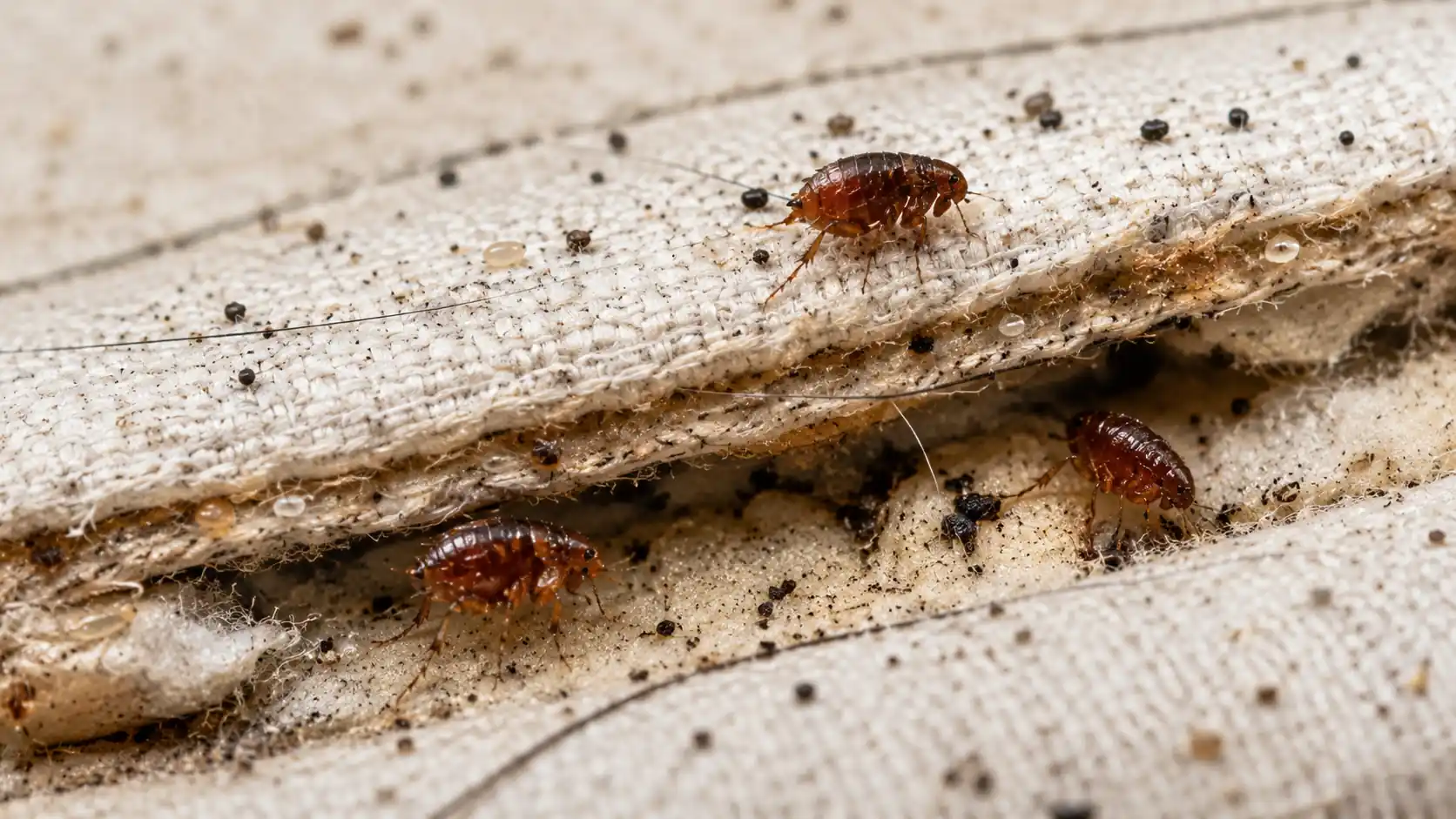
A flea is a small, wingless parasitic insect known for feeding on the blood of mammals and birds.
- Fleas are often associated with pets, wildlife, carpets, bedding, and shaded outdoor areas.
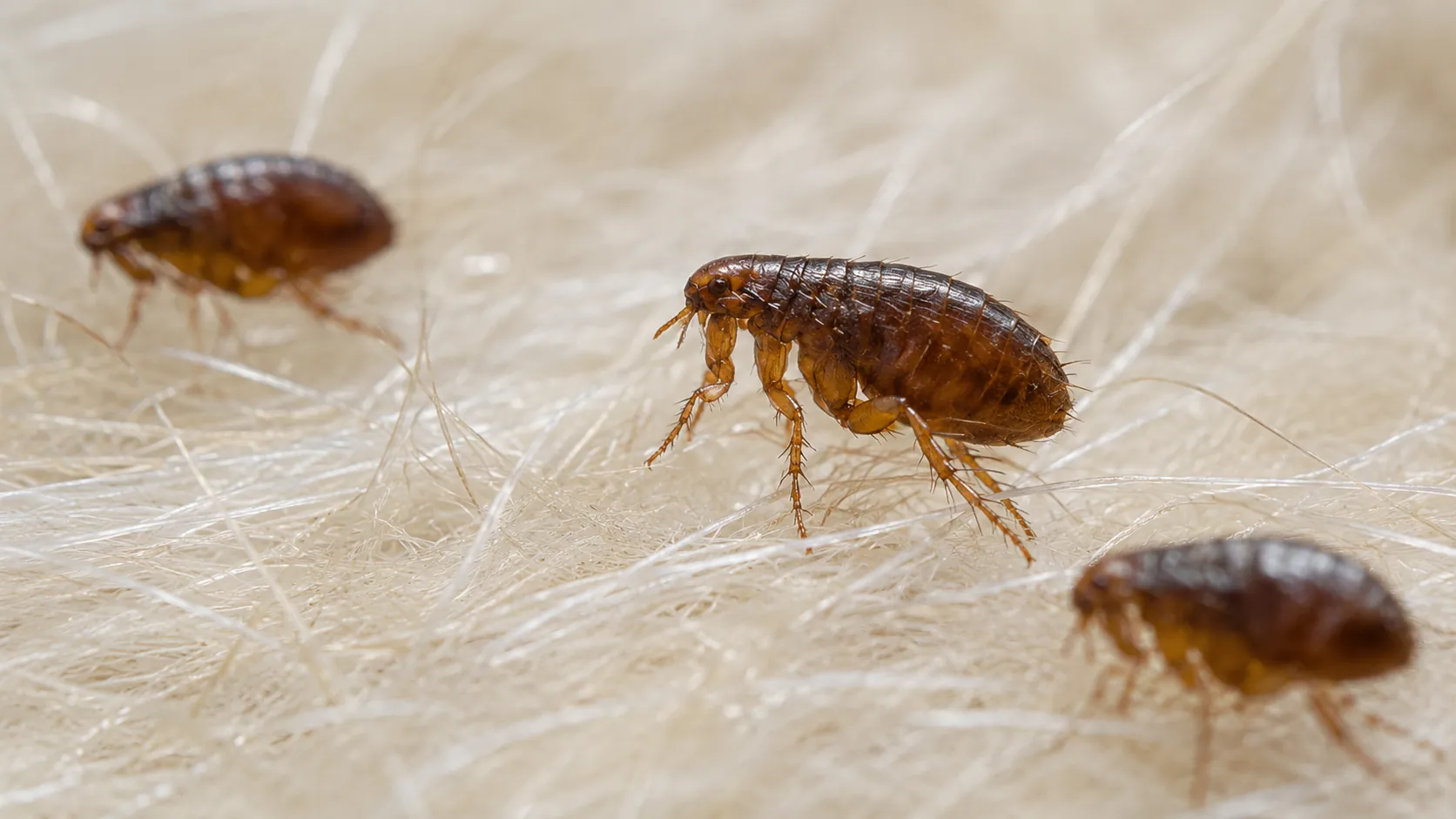
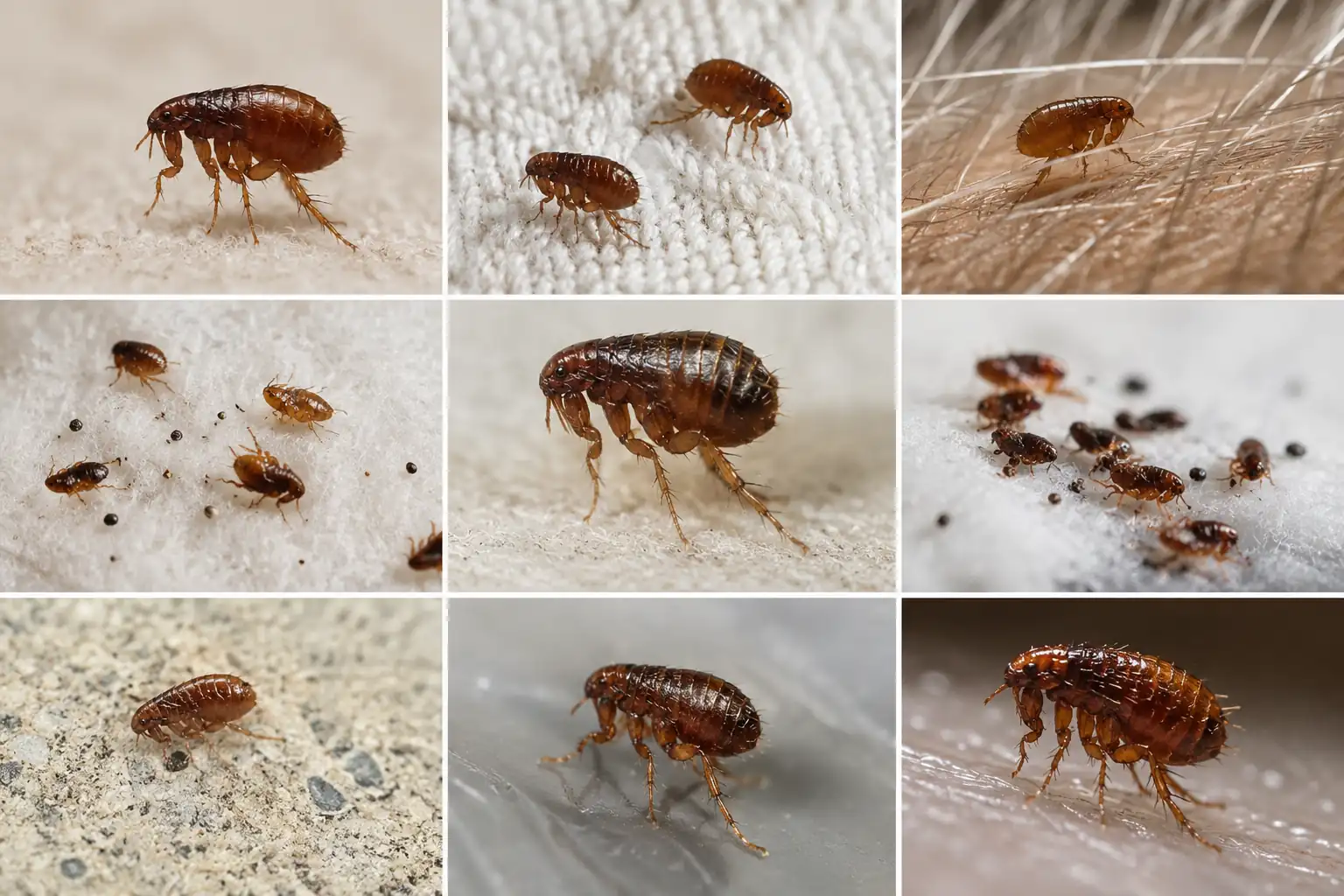
- Fleas usually have narrow, flattened bodies that help them move through fur, hair, and fabric fibers.
- Most fleas are reddish-brown, dark brown, or nearly black in appearance.
- They have strong jumping legs, piercing mouthparts, and a tough body that helps them survive on animal hosts.
Fleas - Navigation
- Flea
- Flea Life Cycle and Life Expectancy
- Where Fleas Live in the USA
- Fleas and Why Professional Control Matters
- When Fleas Become a Problem
- Are Fleas Dangerous?
- What Do Fleas Eat?
- Flea vs Bed Bug
- How to Prevent Fleas
- How to Get Rid of Fleas
- Get Rid of Flea Issues With Green Pest Management
- Why Choose Green Pest Management Flea Exterminators?
- Fleas: Detailed Analysis
- Questions & Answers
Questions & Answers Navigation

Flea Life Cycle and Life Expectancy
Fleas can complete their life cycle in a few weeks under warm, humid conditions, though adults may survive longer when they have access to a suitable host.
- Eggs are laid on a host animal but often fall into carpets, bedding, cracks, furniture, or outdoor resting areas.
- Flea larvae hatch from eggs and feed on organic debris and adult flea waste in protected areas.
- Larvae develop into pupae inside sticky cocoons that can remain hidden until movement, warmth, or carbon dioxide signals a nearby host.
- Adult fleas emerge from pupae, jump onto a host, and begin feeding on blood.
- Female fleas can lay many eggs after feeding, which allows infestations to grow quickly when pets, wildlife, or untreated areas are present.

Where Fleas Live in the USA
Fleas are found throughout the United States, especially in areas where warm temperatures, humidity, pets, wildlife, and sheltered resting sites support their development.
- Fleas are common in many regions, with activity often lasting longer in the eastern, southeastern, southern, and coastal states.
- Flea problems can also occur in the Midwest, Southwest, and West, especially where pets, rodents, raccoons, opossums, squirrels, or other animals are present.
- Around homes, they often appear near pet bedding, carpets, rugs, upholstered furniture, cracks in flooring, shaded yards, crawl spaces, kennels, decks, porches, and wildlife nesting or resting areas.
- Fleas prefer places where animal hosts are nearby and where eggs, larvae, and pupae can remain protected from direct sunlight and drying conditions.

Fleas and Why Professional Control Matters
Fleas are blood-feeding insects that can become a concern when they infest pets, carpets, bedding, furniture, shaded yards, crawl spaces, kennels, or areas where wildlife rests near homes and businesses.
- Although fleas are small, they can spread quickly because eggs, larvae, pupae, and adults may be present in different parts of the property at the same time.
- Flea bites can cause itching, skin irritation, allergic reactions, and discomfort for both people and pets.
- Fleas do not fly, but their strong jumping legs allow them to move onto pets, wildlife, people, and nearby resting areas.
- Green Pest Management helps control fleas with inspections, targeted treatments, and safe Integrated Pest Management methods.
- These methods help reduce current flea activity and help prevent future problems.

When Fleas Become a Problem
Fleas become a problem when they begin reproducing on pets, inside living areas, or in outdoor resting spots instead of staying limited to wildlife or occasional animal hosts. The main concern is not usually one flea bite, but an active life cycle that can spread through pets, carpets, bedding, furniture, and shaded areas over time.
- Common flea activity areas include pet bedding, carpets, rugs, upholstered furniture, floor cracks, kennels, crawl spaces, shaded yards, decks, and porches.
- A few adult fleas may not seem like a major issue at first, but eggs, larvae, and pupae can continue developing in hidden areas.
- Flea activity may leave itchy red bites on people, especially around ankles, legs, or areas where fleas can reach skin.
- Small dark specks called flea dirt may appear on pets, bedding, or resting areas when adult fleas are feeding.
- Pets may scratch, lick, chew, or groom more often when fleas are present.
- Wildlife such as rodents, raccoons, opossums, squirrels, or stray animals may bring fleas close to the property and help keep activity going.
Over time, these signs can make flea activity more than a minor nuisance, especially when the flea life cycle continues indoors or around the same pet and wildlife resting areas.
Are Fleas Dangerous?
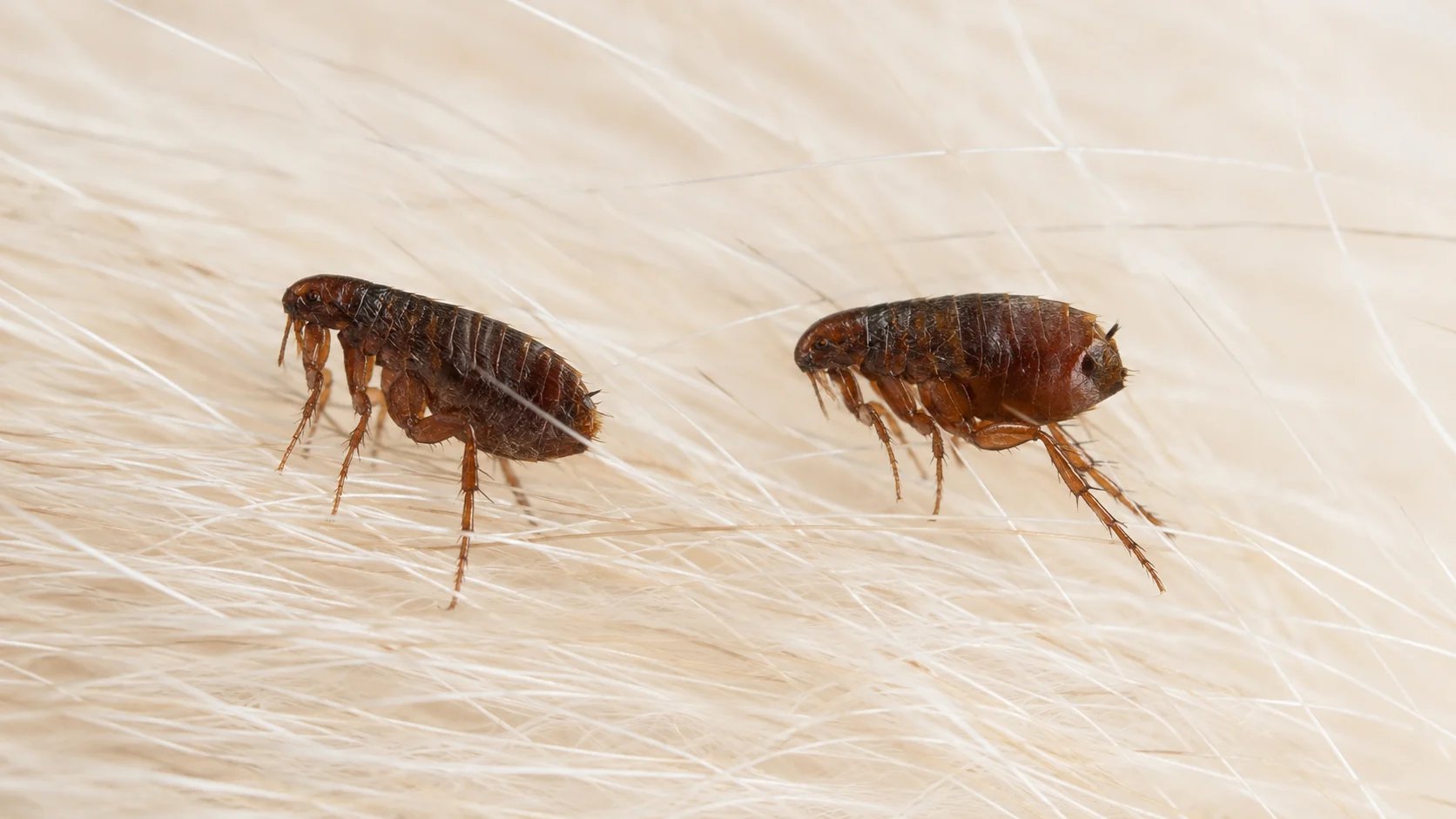
Fleas are not usually dangerous from a single bite, but they can become a serious nuisance and health concern when they infest pets, people, bedding, carpets, furniture, or outdoor resting areas. Flea bites can cause itching, redness, irritation, and allergic skin reactions, especially in sensitive pets or people. Heavy flea infestations may also contribute to hair loss, skin infections from scratching, and anemia in small, young, or weakened animals. Fleas can also be involved in the spread of certain parasites and pathogens, including tapeworms when infected fleas are swallowed by pets. The bigger concern is not one flea bite but an active infestation, since fleas can reproduce quickly and their eggs, larvae, pupae, and adults may be hidden throughout the property.
What Do Fleas Eat?
Adult fleas eat blood from mammals and birds, which makes them parasitic insects that depend on animal hosts for survival and reproduction. Even though adult fleas feed on blood, flea larvae do not bite animals or people.
- Adult fleas use blood meals as their main food source.
- Female fleas need blood before they can produce eggs successfully.
- Flea larvae feed on organic debris and dried blood waste left behind by adult fleas.
- Fleas may develop in carpets, pet bedding, cracks, furniture, shaded soil, or animal resting areas.
- Fleas do not eat wood, fabric, or skin for nutrition, but they may hide in those areas while developing.
Flea vs Bed Bug
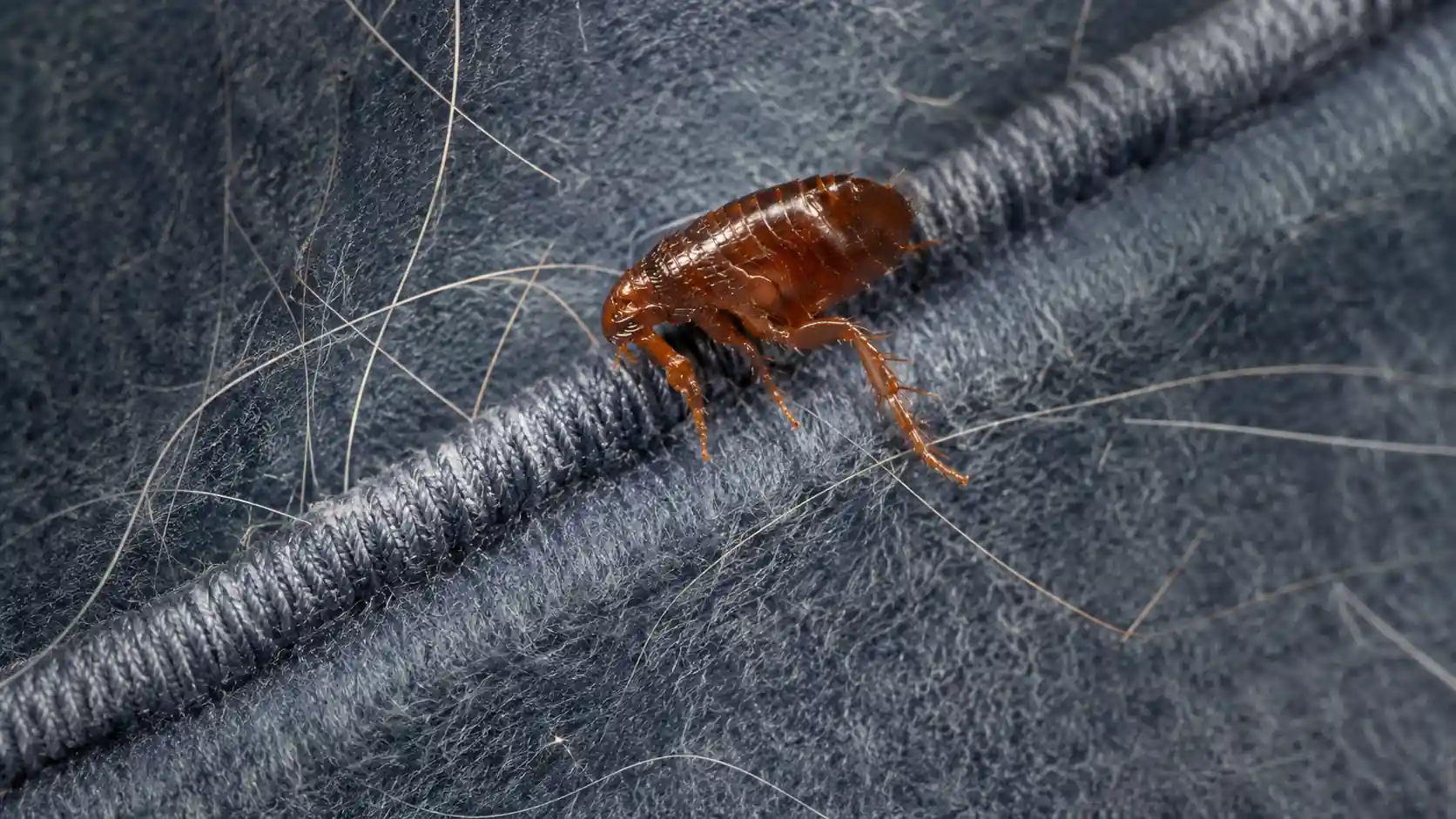
Fleas and bed bugs can both cause itchy bites, but they are different insects with different body shapes, habits, and hiding places. The easiest way to tell them apart is by looking at their body shape and where the activity is happening.
- Fleas usually have narrow, side-flattened bodies that help them move through fur, hair, and fabric fibers.
- Bed bugs have flatter, wider bodies that look more oval-shaped from above.
- Fleas jump onto pets, wildlife, people, and nearby resting areas to feed on blood.
- Bed bugs usually hide in mattress seams, bed frames, furniture cracks, baseboards, and sleeping areas.
- Fleas are commonly connected to pets, wildlife, shaded yards, carpets, and pet bedding.
- Bed bugs are more closely connected to sleeping areas, luggage, furniture, and places where people rest for long periods.
Because of these differences, body shape, jumping behavior, bite location, and hiding areas are usually the clearest ways to tell fleas and bed bugs apart.

| Fleas | Bed Bugs |
|---|---|
| Fleas are small, wingless insects that can bite people and pets, especially when pets, wildlife, carpets, bedding, or shaded resting areas support activity. | Bed bugs are small, wingless insects that feed on blood and are commonly found near beds, furniture, luggage, and sleeping areas. |
| The body is usually narrow, reddish-brown, and flattened from side to side, which helps fleas move through fur, hair, and fabric fibers. | The body is usually wider, oval-shaped, and flattened from top to bottom, especially before feeding. |
| Fleas jump onto pets, wildlife, people, and nearby resting areas to feed on blood. | Bed bugs crawl from hiding places to feed, then return to cracks, seams, furniture joints, or other protected spaces. |
| Fleas are often connected to pets, rodents, wildlife, carpets, pet bedding, kennels, crawl spaces, and shaded outdoor areas. | Bed bugs are often connected to mattresses, bed frames, headboards, couches, luggage, baseboards, and rooms where people rest or sleep. |
How to Prevent Fleas
You can help prevent fleas by reducing access to pets, wildlife, bedding, carpets, and shaded resting areas around your home. The goal is to interrupt the flea life cycle early before eggs, larvae, pupae, and adults become established indoors or outdoors.
- Keep pets on a veterinarian-recommended flea prevention plan and check them regularly for signs of flea activity.
- Wash pet bedding, blankets, and washable fabric items often, especially when pets spend time indoors and outdoors.
- Vacuum carpets, rugs, upholstered furniture, floor cracks, baseboards, and pet resting areas to help remove flea eggs, larvae, pupae, and adult fleas.
- Reduce clutter, debris, leaf litter, and shaded organic material where flea larvae may stay protected from sunlight and drying conditions.
- Pay close attention to areas where pets, rodents, raccoons, opossums, squirrels, or stray animals may rest, since fleas are often connected to animal hosts.
- Inspect pet bedding, carpets, crawl spaces, decks, porches, and shaded yard areas to catch early flea activity before it spreads through the property.
Keeping pets protected and resting areas clean is one of the most important steps for reducing future flea problems around homes and outdoor spaces.
How to Get Rid of Fleas
The safest way to get rid of fleas is to address the full flea life cycle, because eggs, larvae, pupae, and adults may be hidden in pets’ resting areas, carpets, bedding, furniture, and shaded outdoor spaces. Fleas can spread quickly when pets, wildlife, or untreated areas continue supporting activity, and DIY efforts may miss hidden stages of development.
- A professional pest control team can inspect the property and confirm whether the activity is from fleas or another biting pest.
- Technicians can locate flea activity in carpets, pet resting areas, furniture, crawl spaces, shaded yard areas, and other places around the home or business.
- A proper control plan may include treatment, sanitation guidance, pet-related prevention steps, and follow-up recommendations based on the specific situation.
- Professional service helps reduce active flea problems while also targeting areas where eggs, larvae, and pupae may continue developing.
Green Pest Management provides flea control services for homes and businesses to remove active problems and help reduce future activity.

Get Rid of Flea Issues With Green Pest Management
Green Pest Management provides professional flea control for homes and businesses using licensed exterminators and Integrated Pest Management methods. Since 2014, their team has helped property owners address flea activity with careful inspections and targeted solutions based on each property.
- Their team inspects areas where fleas may develop, including pet resting areas, carpets, furniture, crawl spaces, shaded yards, decks, porches, and other protected spaces.
- They identify flea activity and evaluate the level of infestation.
- They select targeted solutions based on the specific property and pest concern.
- Their services help address active flea problems inside and around homes or businesses.
- Their approach also helps reduce conditions that may allow flea eggs, larvae, pupae, and adults to continue developing.
Because fleas can create concerns around pets, people, carpets, bedding, furniture, shaded outdoor areas, and wildlife resting spots, property owners should avoid relying on incomplete DIY removal and contact Green Pest Management for flea control support.

Why Choose Green Pest Management Flea Exterminators?
- We provide pest inspections so that you can understand exactly what you’re dealing with.
- We’re locally owned and treat your business or home like we treat our own.
- We have associations with the National Pest Management Association, Home Advisory Association, Better Business Bureau Association, and more.
- Each flea treatment plan is unique and specific to your business’ needs.
Fleas: Detailed Analysis - Navigation
- Fleas, Prevention, and Pest Control
- Quick Flea Summary
- What Are Fleas?
- Why Fleas Become a Pest
- Main Signs of Flea Activity
- Where Fleas Are Commonly Found Around Homes
- Common Flea Activity Areas
- Flea Infestations: What Homeowners Should Know
- Flea vs Bed Bug
- Are Fleas Dangerous?
- Are Fleas Helpful or Harmful?
- Flea Feeding and Life Cycle
- How to Get Rid of Fleas
- Pest Control Steps for Fleas
- DIY Control vs Professional Flea Control
- How to Keep Fleas Away
- Flea Prevention Checklist
- Green Pest Management Flea Control
- Key Takeaway

Detailed Analysis: Fleas, Prevention, and Pest Control
Fleas are small, wingless parasitic insects that become pests when they feed on pets, people, wildlife, or other animal hosts and reproduce in protected areas. They are blood-feeding insects that can infest carpets, pet bedding, furniture, floor cracks, crawl spaces, shaded yards, kennels, porches, and other areas where animals rest. Unlike bed bugs, fleas are powerful jumpers and are often connected to pets or wildlife activity. An infestation can involve eggs, larvae, pupae, and adults at the same time, which makes complete control more difficult than removing only the visible adult fleas. Control works best with identification, treatment, sanitation, pet protection, wildlife reduction, and prevention.
Quick Flea Summary
- Fleas are blood-feeding insects, not flying insects.
- They can jump onto pets, people, and wildlife to feed.
- They are usually connected to animal hosts, including cats, dogs, rodents, raccoons, opossums, squirrels, and stray animals.
- They can reproduce quickly, especially in warm and humid conditions.
- The main concern is an active infestation, especially when eggs, larvae, pupae, and adults are hidden in different areas.
- Flea bites can cause itching and irritation, especially for sensitive people and pets.
- Pets may scratch, lick, or chew more often when fleas are present.
- Professional pest control is often safest when fleas are active in carpets, pet areas, crawl spaces, yards, businesses, or recurring problem areas.
- Prevention depends on breaking the flea life cycle, including pet protection, cleaning, vacuuming, treatment, wildlife reduction, and monitoring.
What Are Fleas?
Fleas are small parasitic insects that feed on the blood of mammals and birds. They do not have wings, but their strong back legs allow them to jump onto hosts and move through fur, hair, fabric fibers, and protected resting areas. Adult fleas are usually reddish-brown to dark brown and have narrow, flattened bodies that help them move through animal hair. Their food comes from blood meals, while flea larvae feed on organic debris and dried blood waste left by adult fleas. Around properties, they are often found near pets, wildlife, carpets, bedding, furniture, shaded soil, and animal resting areas.
Why Fleas Become a Pest
Fleas become pests when they infest pets, people, indoor spaces, or outdoor areas around homes and businesses. A problem may start with a few adult fleas, but eggs can fall from the host into bedding, carpets, rugs, furniture, floor cracks, or shaded outdoor spaces. Larvae can develop in hidden areas, while pupae may remain protected inside cocoons until warmth, vibration, or carbon dioxide signals that a host is nearby. Their activity can cause itching, discomfort, allergic reactions, and ongoing irritation for pets and people. While they are small, they can create recurring problems when the full life cycle is not addressed.
Main Signs of Flea Activity
| Sign | What It May Mean |
|---|---|
| Pets scratching, licking, or chewing | Fleas may be biting or irritating the skin. |
| Small jumping insects | Adult fleas may be moving between hosts and resting areas. |
| Itchy red bites on people | Fleas may be feeding, especially around ankles, legs, or exposed skin. |
| Dark specks on pets or bedding | Flea dirt may be present from adult flea feeding. |
| Flea eggs in resting areas | Eggs may have fallen from a host into bedding, carpets, or furniture. |
| Activity near shaded yard areas | Pets or wildlife may be bringing fleas into outdoor resting zones. |
| Fleas returning after cleaning | Hidden eggs, larvae, or pupae may still be developing. |
Where Fleas Are Commonly Found Around Homes
Fleas are often found where animal hosts and protected resting places are close together. They may appear around pet bedding, carpets, rugs, upholstered furniture, baseboards, floor cracks, kennels, crawl spaces, decks, porches, and shaded yard areas. Warm, humid, sheltered spaces are especially supportive because flea eggs and larvae can dry out easily in exposed conditions. Protected areas where pets sleep or wildlife rests can become flea development zones. Rodents, raccoons, opossums, squirrels, stray cats, and other animals may also bring fleas close to the property.
Common Flea Activity Areas
- Pet bedding
- Carpets
- Rugs
- Upholstered furniture
- Floor cracks
- Baseboards
- Kennels
- Crawl spaces
- Decks
- Porches
- Shaded yard areas
- Wildlife resting areas
- Animal nesting sites
Flea Infestations: What Homeowners Should Know
Flea infestations are different from simple nuisance bites because the problem usually involves more than the adult fleas that can be seen. Adult fleas feed on blood, but eggs, larvae, and pupae may be hidden in carpets, bedding, furniture, cracks, and outdoor resting areas. Early activity may seem minor, but the infestation can grow when pets, wildlife, or untreated areas continue supporting the life cycle. Fleas may keep returning when pupae emerge after cleaning or when animals continue bringing new fleas onto the property. Problems may worsen when pet areas, crawl spaces, shaded yards, and wildlife access points are not addressed together.
Flea vs Bed Bug
Fleas and bed bugs are often confused because both can bite people and cause itchy skin reactions. However, their bodies, movement, feeding habits, and hiding places are different. Fleas are more associated with pets, wildlife, carpets, and jumping behavior, while bed bugs are more associated with sleeping areas, mattress seams, furniture cracks, and resting spaces where people stay for long periods. Correct identification matters because control recommendations depend on the insect involved.
| Feature | Fleas | Bed Bugs |
|---|---|---|
| Body appearance | Small insect with a narrow, side-flattened body | Small insect with a wider, oval body from above |
| Movement behavior | Jumps onto hosts and resting areas | Crawls and hides in cracks, seams, and furniture |
| Common host connection | Often connected to pets and wildlife | Often connected to people and sleeping areas |
| Common property concern | Pet irritation, bites, and hidden life stages | Bites, sleeping-area infestations, and hidden harborages |
| Feeding activity | Adults feed on blood from mammals and birds | Nymphs and adults feed on blood from people or animals |
| Pest control concern | Breaking the flea life cycle across pets, indoor areas, and outdoor zones | Finding and treating cracks, seams, furniture, and sleeping-area hiding places |
Are Fleas Dangerous?
Fleas are not usually dangerous from a single bite, but they can still create health and comfort concerns. Their bites may cause itching, redness, swelling, irritation, and allergic skin reactions in sensitive people or pets. Pets may scratch, lick, chew, lose hair, or develop skin irritation when fleas are active. Heavy flea infestations may be more serious for young, small, elderly, or weakened animals because repeated feeding can contribute to blood loss. Fleas can also be involved in the spread of certain parasites and pathogens, so active infestations should be handled carefully and thoroughly.
Are Fleas Helpful or Harmful?
Fleas are generally considered harmful pests when they occur around homes, businesses, pets, or people. Outdoors, they are part of natural food webs and may live on wildlife, but they create problems when they move into human living areas or pet resting spaces. They become harmful because adult fleas bite, feed on blood, irritate skin, and reproduce quickly when conditions are favorable. Pest control does not aim to remove every flea from nature. The goal is to stop infestations, protect pets and people, and reduce flea development where it creates health, comfort, or recurring maintenance concerns.
Flea Feeding and Life Cycle
Adult fleas feed on blood, not wood, fabric, or stored food. Blood meals give adults the nutrients they need, and female fleas need blood before they can produce eggs successfully. Eggs are usually laid on a host but often fall into carpets, bedding, furniture, cracks, soil, or other resting areas. Larvae hatch and feed on organic debris and dried blood waste from adult fleas. Larvae later develop into pupae inside protective cocoons before emerging as adults when host signals are present. Because eggs, larvae, pupae, and adults can exist at the same time, flea problems may return if only adult fleas are addressed.
How to Get Rid of Fleas
The best way to get rid of fleas is to address the full flea life cycle, not only the adult fleas that are visible. Eggs, larvae, and pupae may be hidden in carpets, bedding, furniture, floor cracks, crawl spaces, shaded soil, or pet resting areas. A professional technician can inspect the property, confirm flea activity, locate key development zones, evaluate pet and wildlife-related conditions, and recommend a plan based on the structure and severity. Pets may also need veterinarian-recommended flea prevention because untreated animal hosts can continue supporting the infestation. Long-term control works best when treatment, cleaning, pet protection, wildlife reduction, monitoring, and prevention are combined.
Pest Control Steps for Fleas
| Step | Purpose |
|---|---|
| Inspect the property | Confirms the pest and finds active flea areas. |
| Identify host activity | Finds pets, wildlife, rodents, or stray animals that may support fleas. |
| Treat active areas | Helps address fleas in carpets, resting areas, cracks, and outdoor zones. |
| Clean and vacuum | Helps remove eggs, larvae, pupae, adults, and organic debris. |
| Wash pet bedding | Reduces flea stages in areas where pets rest. |
| Use pet protection | Helps prevent pets from continuing the flea life cycle. |
| Recheck problem areas | Catches remaining or newly emerging activity before it spreads again. |
DIY Control vs Professional Flea Control
DIY flea control may miss hidden eggs, larvae, pupae, wildlife sources, and outdoor development areas. Fleas may develop in carpets, pet bedding, floor cracks, crawl spaces, shaded soil, and furniture, making incomplete treatment less reliable. Homeowners may see adult fleas but not know where the immature stages are developing. Professional pest control is more reliable when there are recurring bites, pet irritation, multiple rooms affected, outdoor activity, wildlife concerns, or fleas returning after cleaning. It is also safer when a business, rental property, or large home needs a more complete inspection and treatment plan.
| Situation | DIY May Not Be Enough | Professional Pest Control Is Better When |
|---|---|---|
| A few fleas on a pet | The pet and home may both need attention | A technician can help identify property-level activity |
| Fleas jumping in carpets | Visible adult fleas may not show the full issue | Eggs, larvae, and pupae may be hidden nearby |
| Multiple rooms affected | The infestation may be established | Treatment and sanitation guidance can work together |
| Bites around ankles or legs | Fleas may be active in floors or resting areas | Service can reduce exposure in high-use areas |
| Wildlife or rodents are present | Animals may keep introducing fleas | Inspection can identify contributing conditions |
| Fleas return after cleaning | Pupae may emerge after visible fleas are removed | Long-term prevention may be needed |
How to Keep Fleas Away
Keeping fleas away starts with making the property less supportive for hosts and flea development. Pets should stay on a veterinarian-recommended flea prevention plan because untreated pets can continue carrying fleas indoors. Focus on pet bedding, carpets, rugs, furniture, floor cracks, kennels, crawl spaces, decks, porches, and shaded yard areas. Wildlife and rodent access should be reduced because these animals can bring fleas close to the home. Regular vacuuming, washing, yard maintenance, and inspections can catch early signs before activity spreads.
Flea Prevention Checklist
- Check pets regularly for scratching, flea dirt, and adult fleas.
- Use veterinarian-recommended flea prevention for pets.
- Wash pet bedding, blankets, and washable fabrics often.
- Vacuum carpets, rugs, upholstered furniture, baseboards, and floor cracks.
- Empty vacuum contents carefully after cleaning flea-prone areas.
- Reduce clutter, leaf litter, and shaded organic debris.
- Address rodent, wildlife, or stray animal activity near the property.
- Maintain kennels, crawl spaces, decks, porches, and pet resting areas.
- Schedule professional pest control when activity returns or spreads.
Green Pest Management Flea Control
Green Pest Management provides professional flea control for homes and businesses using inspections, targeted treatment planning, and Integrated Pest Management methods. Flea problems may involve pets, wildlife, hidden eggs, larvae, pupae, adult fleas, and recurring activity, so inspection helps determine where treatment is needed. Green Pest Management can identify flea activity, locate vulnerable areas, address active issues, and recommend prevention steps for long-term control. Their services also help with pest concerns connected to rodents, wildlife access points, crawl spaces, commercial spaces, and outdoor gathering areas. For flea bites, pet irritation, jumping insects, flea dirt, or repeat seasonal activity, professional pest control can reduce current problems and help prevent future infestations.
Key Takeaway
Fleas are blood-feeding insects that become pests when they infest pets, people, homes, businesses, or outdoor resting areas. They do not fly, but they can jump onto hosts and spread through carpets, bedding, furniture, cracks, and shaded spaces. Adult fleas bite and feed on blood, while eggs, larvae, and pupae may stay hidden where pets or wildlife rest. Prevention depends on pet protection, cleaning, vacuuming, washing bedding, reducing wildlife access, treating active areas, and watching for recurring activity. For active flea problems, professional pest control is usually the safest way to inspect, treat development areas, and help protect the property from future infestations.
Questions & Answers Navigation
Fleas – Questions & Answers
How do you get rid of fleas?
You get rid of fleas most effectively by using a control approach that targets the full flea life cycle, not just the adult fleas that are jumping or biting. Fleas can reproduce on pets and then spread eggs into carpets, rugs, pet bedding, furniture, floor cracks, crawl spaces, kennels, shaded yards, and other protected areas. Adult fleas feed on blood, but eggs, larvae, and pupae may be hidden away from the host, which is why infestations can continue even after visible fleas are removed. A professional pest control technician can inspect the property, confirm flea activity, identify indoor and outdoor development areas, and recommend treatment based on the severity of the infestation. Pets should also be placed on a veterinarian-recommended flea prevention plan because untreated animals can keep the infestation going. Vacuuming, washing pet bedding, reducing wildlife activity, and treating affected areas all work together to reduce fleas. The best flea control plan usually combines inspection, targeted treatment, pet protection, cleaning, monitoring, and follow-up prevention.
Are fleas dangerous?
Fleas are not usually dangerous from one bite, but they can create health and comfort concerns when an infestation develops. Flea bites can cause itching, redness, swelling, and irritation on people and pets. Some pets develop flea allergy dermatitis, which can lead to intense scratching, hair loss, scabs, and secondary skin irritation. Heavy flea infestations may be more serious for small, young, elderly, or weakened animals because repeated blood feeding can contribute to anemia. Fleas can also be involved in the spread of certain parasites and pathogens, depending on the flea species, host animal, and local conditions. Pets may swallow infected fleas while grooming, which can lead to tapeworm transmission. Because fleas can reproduce quickly and hide in multiple life stages, active flea problems should be handled carefully and thoroughly.
Do fleas spread disease?
Yes, fleas can spread certain parasites and pathogens, although the exact risk depends on the flea species, host animal, environment, and region. One common concern is tapeworm transmission in pets, which can happen when a cat or dog swallows an infected flea during grooming. Some fleas can also be associated with bacteria that cause flea-borne illnesses, especially when fleas feed on wildlife, rodents, or other animals before biting pets or people. In the United States, serious flea-related diseases are not the everyday result of most household flea problems, but the risk is real enough that infestations should not be ignored. Flea bites can also create skin irritation that leads to scratching, broken skin, and possible secondary infection. Rodents, stray animals, raccoons, opossums, squirrels, and other wildlife may help bring fleas close to homes and businesses. From a pest control perspective, the goal is to reduce active flea populations, protect pets, and remove conditions that allow fleas to keep developing.
Can fleas bite?
Yes, fleas can bite people, pets, and wildlife because adult fleas need blood meals to survive and reproduce. Fleas use piercing mouthparts to break the skin and feed on blood from mammals or birds. On people, flea bites often appear as small, itchy red bumps and are commonly noticed around ankles, lower legs, or other exposed areas close to floors and carpets. On pets, flea bites may cause scratching, licking, chewing, restlessness, hair loss, or skin irritation. Some animals are highly sensitive to flea saliva and may react strongly even to a small number of bites. Fleas do not bite because they are aggressive in the way a defensive insect might be; they bite because blood is their food source. If bites continue after cleaning or pet treatment, hidden eggs, larvae, or pupae may still be developing in the environment.
Are fleas aggressive?
Fleas are not aggressive in the same way that territorial or defensive insects can be, but they are persistent blood-feeding parasites. A flea does not chase people or pets out of anger, and it does not defend a nest like some stinging insects. Instead, adult fleas respond to host signals such as warmth, movement, vibration, and carbon dioxide. When a suitable host is nearby, fleas may jump onto the animal or person to feed. Their behavior can feel aggressive because bites may happen repeatedly and because fleas can be difficult to remove once an infestation is established. Pets may become especially uncomfortable when fleas keep feeding and reproducing in their resting areas. The real concern is not aggression but the ability of fleas to bite, reproduce quickly, and hide in carpets, bedding, furniture, and outdoor resting zones.
How do you keep fleas away?
You keep fleas away by protecting pets, reducing flea development areas, and limiting contact with wildlife or stray animals that may carry fleas. Pets should stay on a veterinarian-recommended flea prevention plan because cats and dogs are often the main way fleas become established indoors. Pet bedding, blankets, washable fabrics, and resting areas should be cleaned regularly to reduce eggs, larvae, and organic debris. Vacuuming carpets, rugs, upholstered furniture, baseboards, and floor cracks can help remove flea life stages before they become more established. Outdoors, shaded areas with leaf litter, debris, kennels, crawl spaces, decks, and wildlife resting spots should be monitored. Rodents, raccoons, opossums, squirrels, stray cats, and other animals can bring fleas close to the property. Professional pest control can help identify the areas most likely to support fleas and create a prevention plan before activity spreads.
What do fleas eat?
Adult fleas eat blood from mammals and birds, while flea larvae feed on organic debris and dried blood waste left behind by adult fleas. Adult fleas use blood meals as their main food source, and female fleas need blood before they can produce eggs successfully. Fleas commonly feed on pets, wildlife, rodents, and sometimes people when those hosts are available. The immature larval stage does not bite pets or people. Instead, flea larvae develop in protected areas such as carpets, pet bedding, furniture cracks, shaded soil, kennels, crawl spaces, or animal resting sites. Larvae often feed on small organic particles and flea dirt, which is digested blood passed by adult fleas. Because different flea life stages feed in different ways, successful control has to address both the host animal and the surrounding environment.
What does a flea look like?
A flea looks like a very small, wingless insect with a narrow body that is flattened from side to side. Most adult fleas are reddish-brown to dark brown and can look like tiny moving specks on pets, bedding, carpets, or skin. Their side-flattened body helps them move through fur, hair, feathers, and fabric fibers. Fleas have strong hind legs that allow them to jump much farther than their body length. They also have a small head, piercing mouthparts, a hard outer body, and backward-facing bristles that help them move through animal hair. Unlike bed bugs, fleas are not broad and oval when viewed from above; they look thinner from the front and taller from the side. Around homes, fleas are often noticed as small jumping insects on pets, socks, ankles, carpets, or pet resting areas.
Do fleas have wings?
No, fleas do not have wings, but they can jump very well because their hind legs are built for powerful movement. Fleas are wingless insects, so they do not fly from one room or host to another. Instead, adult fleas jump onto pets, people, wildlife, bedding, carpets, and nearby resting areas when they detect a possible host. Their jumping ability is one reason they can spread through a home even without wings. Fleas may also move when infested pets, rodents, wildlife, or stray animals carry them from one area to another. Eggs can fall from a host into carpets, bedding, cracks, or outdoor areas, allowing the infestation to spread without adult fleas needing to fly. If small insects are flying indoors, they are likely something other than fleas.
How do you stop fleas?
You stop fleas by interrupting their life cycle and removing the conditions that allow them to keep feeding and reproducing. The first step is proper identification because fleas, bed bugs, mites, mosquitoes, and other biting pests require different control methods. Once flea activity is confirmed, pets should be evaluated for veterinarian-recommended flea prevention so they do not continue supporting adult fleas. Indoor areas such as carpets, rugs, bedding, furniture, baseboards, and floor cracks should be cleaned and vacuumed carefully. Outdoor areas where pets or wildlife rest may also need attention because fleas can develop in shaded, protected spaces. Targeted pest control may be needed when fleas are active in multiple areas or when they return after cleaning. Long-term control depends on treatment, pet protection, sanitation, wildlife reduction, and continued monitoring.
Do fleas live on humans?
Fleas can bite humans, but the fleas commonly found around homes usually do not live on people the way they can live on furry animal hosts. Cats, dogs, rodents, and wildlife provide dense fur or protected body areas where fleas can hide, feed, mate, and lay eggs more successfully. Humans do not have the same type of body covering, so fleas usually bite and then move away rather than staying on a person long-term. Fleas may still jump onto clothing, socks, ankles, or exposed skin when activity is heavy in carpets, pet bedding, or floors. In some situations, fleas may bite people repeatedly if pets are untreated or if wildlife activity is keeping the infestation active nearby. The presence of bites on people can be a sign that fleas are developing somewhere in the environment. Finding and treating the source is more effective than only addressing the bites.
How long do fleas live?
Flea life span varies because temperature, humidity, host access, and the protected pupal stage all affect how long the life cycle lasts. Under warm and humid conditions, fleas can complete development from egg to adult in only a few weeks. In less favorable conditions, development may take longer, especially when pupae remain inside protective cocoons while waiting for host signals. Adult fleas can live longer when they have regular access to a suitable animal host and can feed repeatedly. Without a host, newly emerged adult fleas may not survive as long because blood meals are needed for survival and reproduction. Eggs, larvae, pupae, and adults may all be present at the same time in an active infestation. This is why flea problems can seem to return after cleaning if hidden pupae emerge later.
How do you prevent fleas?
You prevent fleas by protecting pets, cleaning animal resting areas, reducing wildlife access, and making the property less supportive for flea development. Pets should be checked regularly for scratching, flea dirt, adult fleas, or skin irritation. A veterinarian-recommended flea prevention plan is one of the most important steps because untreated pets can carry fleas indoors and keep the life cycle active. Pet bedding, blankets, rugs, carpets, upholstered furniture, floor cracks, kennels, and crawl spaces should be cleaned and monitored. Vacuuming can help remove flea eggs, larvae, pupae, adults, and organic material that supports larvae. Outdoor prevention includes reducing leaf litter, clutter, shaded debris, rodent activity, wildlife nesting sites, and stray animal access near the home. A professional pest control plan can add another layer of prevention by identifying flea development zones, treating problem areas, and recommending the best steps for long-term control.