

10 Natural Remedies to Prevent Common Household Pests
Keeping pests out of your home doesn’t have to mean a constant battle with harsh chemicals or expensive treatments. This guide walks you through natural, practical methods to prevent common household pests—from ants and roaches to bed bugs, mice, fleas, ticks, and mosquitoes.
Professional Pest Control
With a little attention and a few easy strategies, you can make your home less attractive to pests while keeping your family and pets safe. And when prevention isn’t enough, you can call on professionals—like the team at Green Pest Management—who specialize in pet-safe, effective treatments.
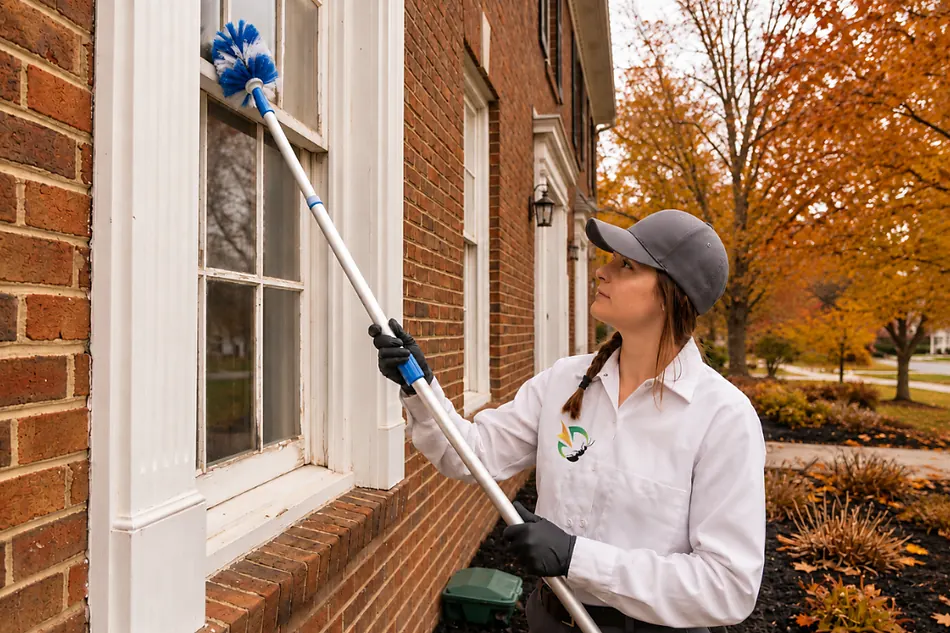
TL;DR: Natural Pest Prevention Made Simple
- Seal the gaps – Block entry points around doors, windows, and pipes to stop ants, mice, and spiders before they get in
- Remove standing water – Empty pet bowls, birdbaths, and gutters to cut down on mosquitoes (and the fleas/ticks that follow)
- Clean up food sources – Wipe counters and seal pantry goods to keep roaches and ants from moving in
- Try diatomaceous earth – A pet-safe powder that’s deadly to ants, roaches, and fleas but harmless to humans
- Spray peppermint & vinegar – A natural deterrent for spiders and ants around windows and doorways
- Use boric acid – Effective against roaches and termites in small, targeted amounts
- Maintain your yard – Mow and clear brush regularly to reduce tick and flea habitats
- Apply heat for bed bugs – Steam-clean and wash bedding on high heat to eliminate them naturally
- Add natural scents – Cedar, mint, and citrus repel moths, pantry pests, and ants
- Stay vigilant – Regular checks catch early signs (droppings, shed skins) so small issues don’t become big infestations
A few consistent, chemical-free habits can keep your home pest-free—and when things get out of hand, professional help like Green Pest Management is there for safe, pet-friendly backup.
Discover 10 Natural Ways to Prevent Pests
1. Close Up the Invitation
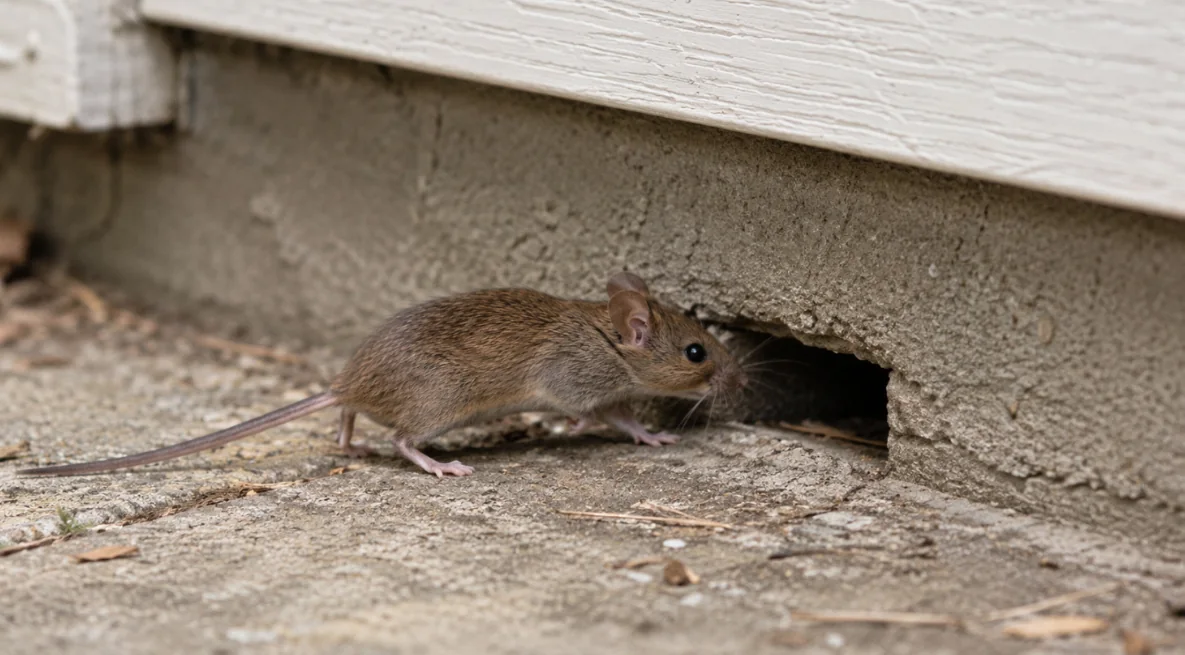
Think of your home like a well-run party—you wouldn’t leave the doors wide open for uninvited guests. Pests operate the same way. Mice, ants, and spiders need surprisingly little space to slip inside. Even a pencil-sized gap can be an invitation.
- Walk around your home—inside and out.
- Look for gaps under doors, cracks around windows, and holes where pipes enter.
- A little caulk, weatherstripping, or steel wool in the right spots can block a steady stream of critters before it starts.
This simple step forms the foundation of effective rodent control and general home pest prevention.
2. Don’t Let Water Sit Around
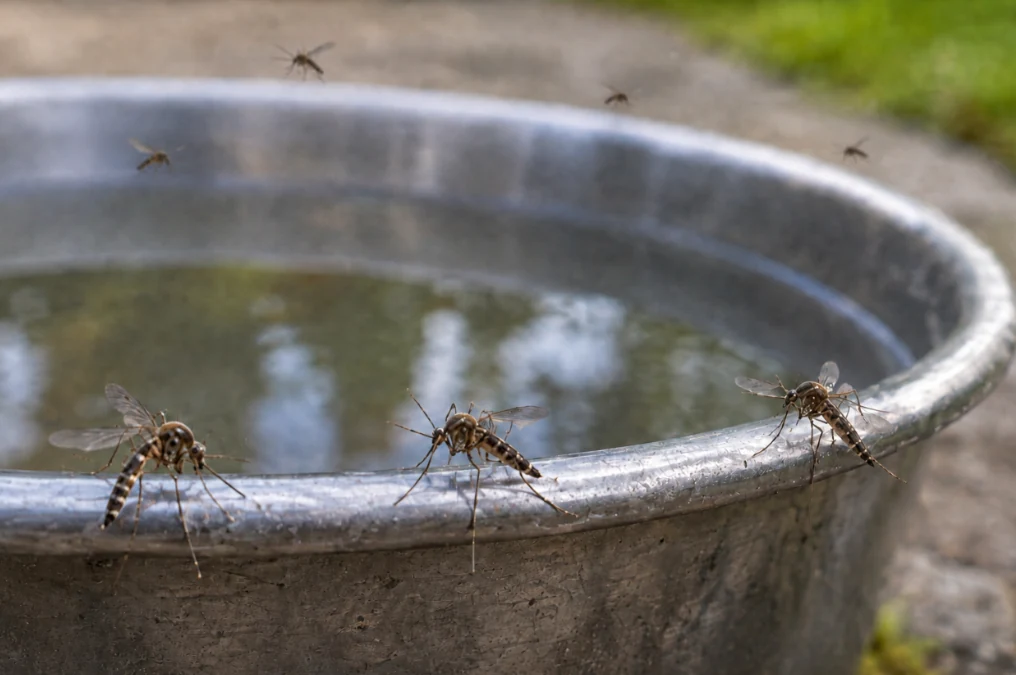
Mosquitoes thrive in tiny pools of stagnant water.
- Pet bowls left outdoors
- Birdbath
- Flowerpot saucers
- Clogged gutters
– can all become breeding grounds.
Empty these regularly and consider a few drops of vinegar in standing water to disrupt mosquito larvae. Taking this step alone can significantly reduce mosquitoes—and the fleas and ticks that often follow them.
3. Food Crumbs = Pest Buffet
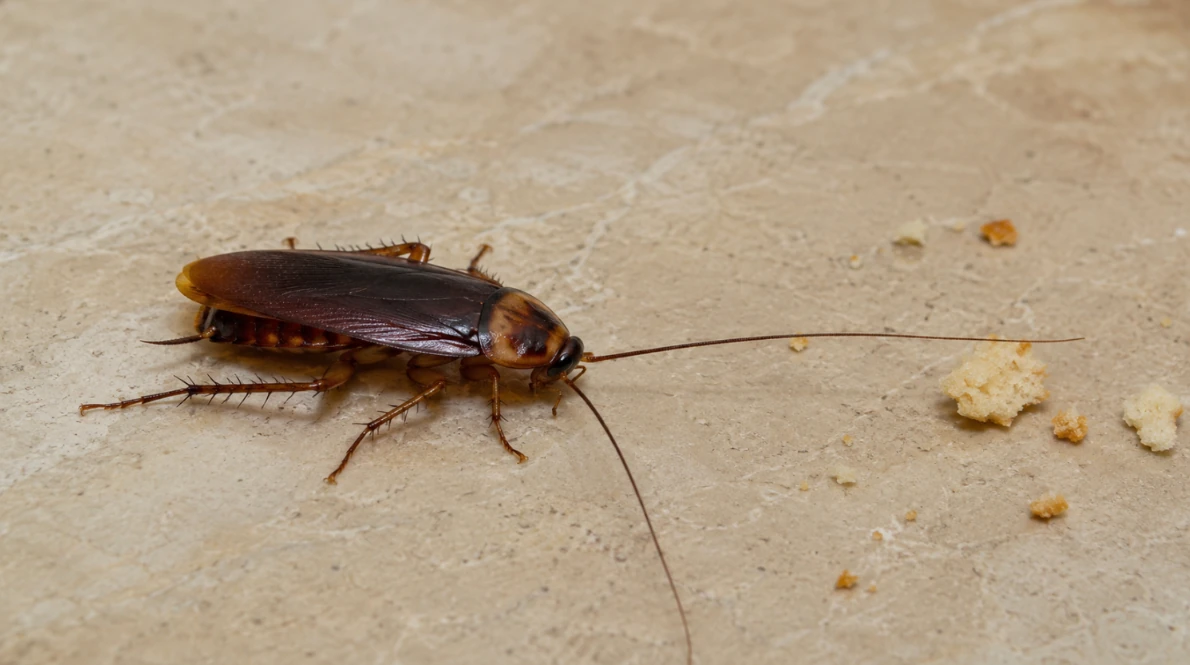
Roaches and ants are drawn to food crumbs like magnets. That stray cookie under the toaster? A feast in bug terms.
- Keep counters clean
- Sweep floors
- Seal pantry goods
You don’t need a sterile kitchen, just consistent tidying. Small habits break the scent trails pests use to navigate. Fewer insects inside also means spiders have less reason to build webs in corners.
4. Diatomaceous Earth—Your Invisible Defense
Food-grade diatomaceous earth is a safe, non-toxic powder you can sprinkle where pests sneak in—behind appliances, along baseboards, or under the fridge. To humans and pets, it’s harmless. For ants, roaches, and fleas, it’s deadly, drying them out without any sprays or chemicals.
5. Peppermint and Vinegar Spray
- Mix equal parts water and white vinegar with a few drops of peppermint oil for a natural pest deterrent.
- Spray around window sills, door thresholds, and corners where you’ve spotted ants or spiders.
The scent confuses pests, and most spiders tend to avoid it. Plus, it leaves a fresh smell in your home.
6. Boric Acid for Roaches and Termites
Boric acid has long been used to manage roaches and certain termites.
- Apply a thin layer in dark corners or under sinks.
- Small amounts are effective—no need for piles of powder.
- Roaches walking through it will groom themselves and ultimately perish
7. Keep the Yard in Check
Ticks and fleas thrive in tall grass, dense shrubs, and leaf litter. Regular mowing, raking, and clearing brush can drastically reduce these pests’ habitats.
If infestations persist, Green Pest Management—or your local pest control company—can provide tick yard treatments and flea management safely for pets and children.

8. Heat and Steam for Bed Bugs
Bed bugs are notoriously tricky, but high heat is their weakness. Steam-clean mattresses, bed frames, and upholstered furniture, and wash bedding on the hottest safe cycle. Regular vacuuming along baseboards and furniture edges helps ensure they don’t return.
9. Natural Scents to Keep Pests Away
- Cedar blocks deter moths and silverfish in closets.
- Dried mint leaves in the pantry help keep pantry pests away.
- Even citrus peels placed near thresholds can repel ants.
These natural additions are simple, safe ways to keep your home less appealing to pests.
10. Keep Watch, Stay Ahead
Prevention is ongoing.
Check usual trouble spots for:
- Droppings
- Gnawed packaging
- Shed skins
Catching issues early means natural methods can usually handle them without escalation. If infestations grow beyond what home remedies can control, calling a professional—like Green Pest Management—ensures safe, pet-friendly solutions while your natural defenses continue to work.
Pests are a part of life, but infestations don’t have to take over your home. Using natural strategies, staying vigilant, and knowing when to bring in professional help keeps your home comfortable, safe, and pest-free.
References
- Integrated Pest Management (IPM) Principles — Wikipedia
en.wikipedia.org/wiki/Integrated_pest_management
Overview of the science-based approach to sustainable pest control. - CDC: Mosquito, Flea & Tick Prevention — Centers for Disease Control and Prevention
cdc.gov/mosquitoes/prevention
Federal health guidance on reducing vector-borne pest risks. - EPA: Safer Pest Control Strategies — U.S. Environmental Protection Agency
epa.gov/safepestcontrol
Government resource on environmentally responsible pest management.