

Get Rid of Mice Humanely by Sealing Entry Points & Removing Food Sources
To get rid of mice humanely, make your home hard to enter and unappealing to stay in. Seal gaps the size of a dime or larger around the foundation, vents, pipes, and under sinks with rodent-resistant materials or metal mesh. Then remove what attracts mice: store food and pet food in sealed containers, clean up spills, and clear clutter and firewood piles.
Mouse Control Mistakes to Avoid
Skip live traps, glue traps, and essential oils, since the CDC advises against traps and repellents are unreliable. With pets, rely on sealing and sanitation first. If you still hear scratching, call a pest control professional like Green Pest Management.
Signs of a Mouse Problem
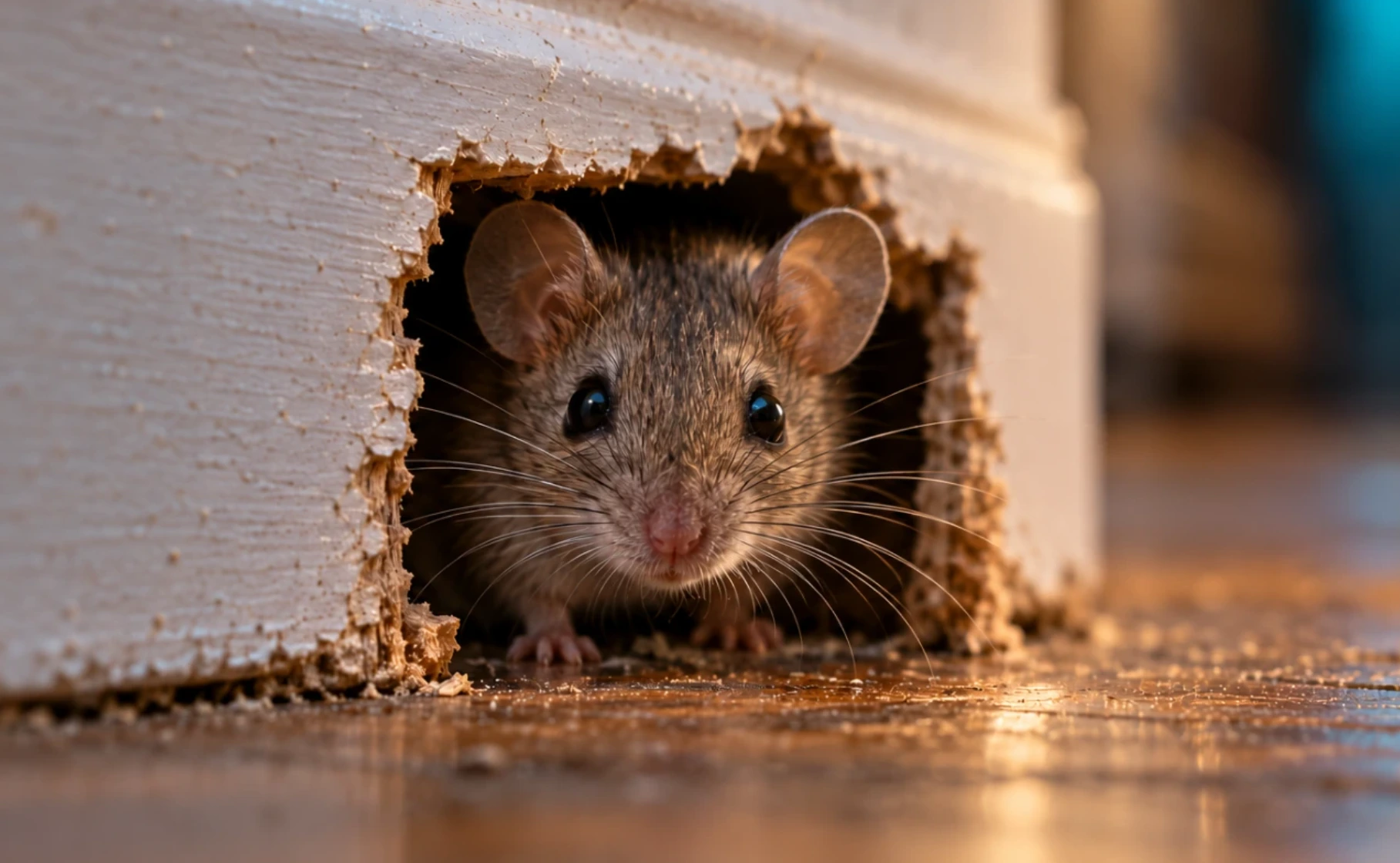
Finding mice in your home is never a good feeling. Maybe you’ve spotted one running across your kitchen floor, found droppings in your pantry, or started hearing scratching noises in the walls at night. It’s one thing to hear noises in your house, but when you realize you have roommates who don’t pay rent, it’s time to do something about it.
Where to Start
If you want to get rid of mice humanely, there are a few things you can try before reaching for mouse poison or traps. The best place to start is figuring out why mice are coming inside and what you can do to keep them from coming back.
TL;DR: Getting Rid of Mice Humanely is Mostly About Prevention, not Trapping.
- Why mice come in: food, water, and warm shelter, especially as temperatures drop.
- Seal entry points: a gap the size of a dime is enough. Check the foundation, garage door, vents, pipes, and under sinks, then use rodent-resistant materials or metal mesh.
- Remove attractants: store food in sealed containers, clean up spills, take out the trash, don’t leave pet food out overnight, and clear clutter and firewood piles near the house.
- Skip live traps, glue traps, and “natural” repellents: the CDC advises against live and glue traps (stress, germ exposure, prolonged suffering), and essential oils like peppermint are unreliable.
- Pets: some mouse poisons are dangerous to pets and wildlife, so start with sealing and sanitation, and follow product directions carefully if you need treatment.
- Cleanup: wear gloves, soak droppings and urine with disinfectant before wiping, never sweep or vacuum dry droppings, and wash your hands afterward. Call a pro for large amounts of droppings or contaminated insulation.
- Still hearing scratching? There’s likely an entry point or nest you haven’t found, so it’s time to call a pest control professional (the article recommends Green Pest Management).

Why Are Mice Getting Into Your House?
Mice usually come inside looking for food, water, and somewhere warm to hide. Garages, basements, attics, and crawl spaces are common places for them to settle in, especially when temperatures start dropping. Unfortunately, mice aren’t particularly picky about their living arrangements.
Signs You Have Mice in Your Home
You might notice:
- Little droppings in your cabinets
- Chewed-up food packaging
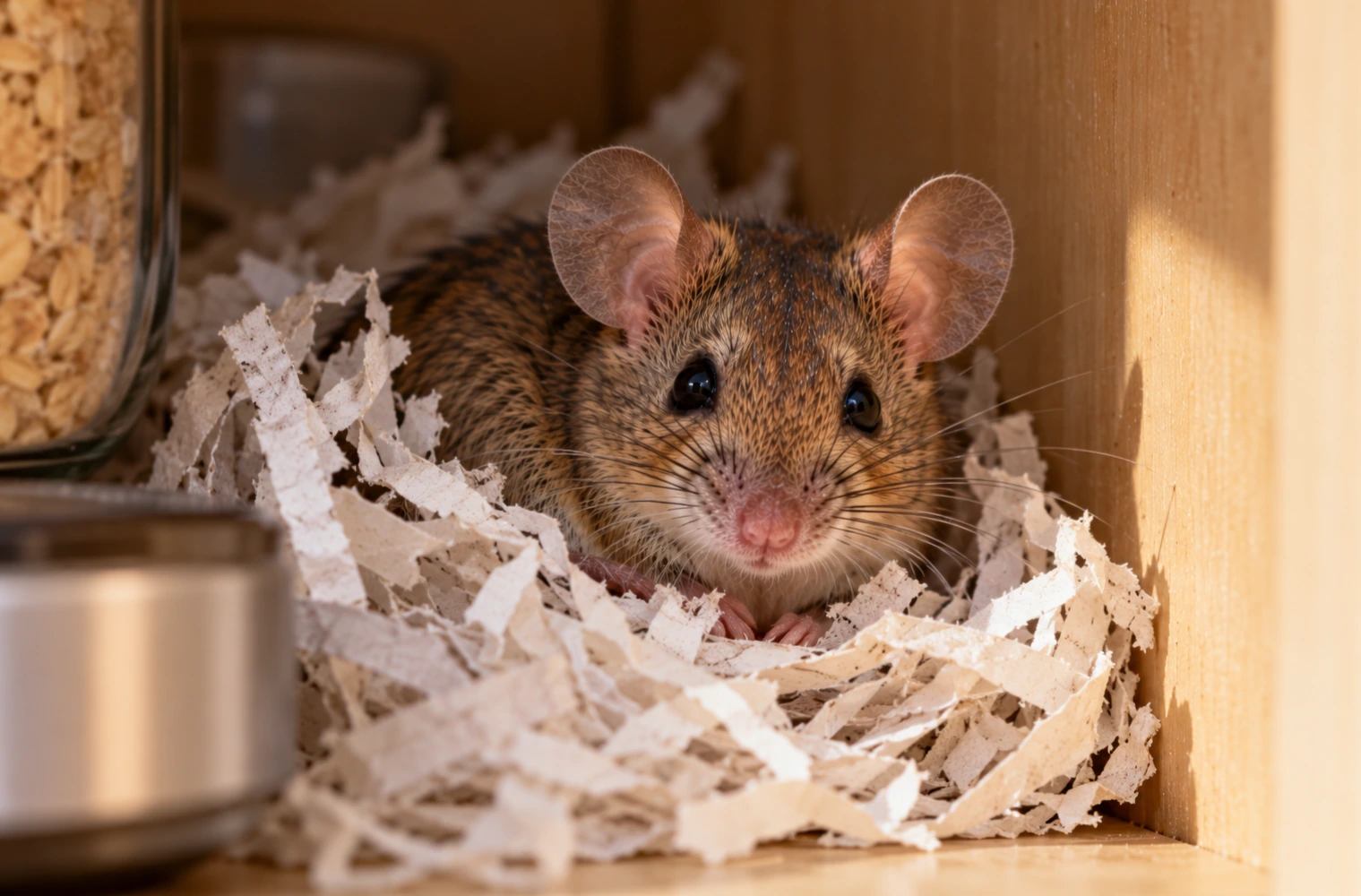
- Bits of paper tucked away in corners.
These are all signs that mice could be making themselves at home.
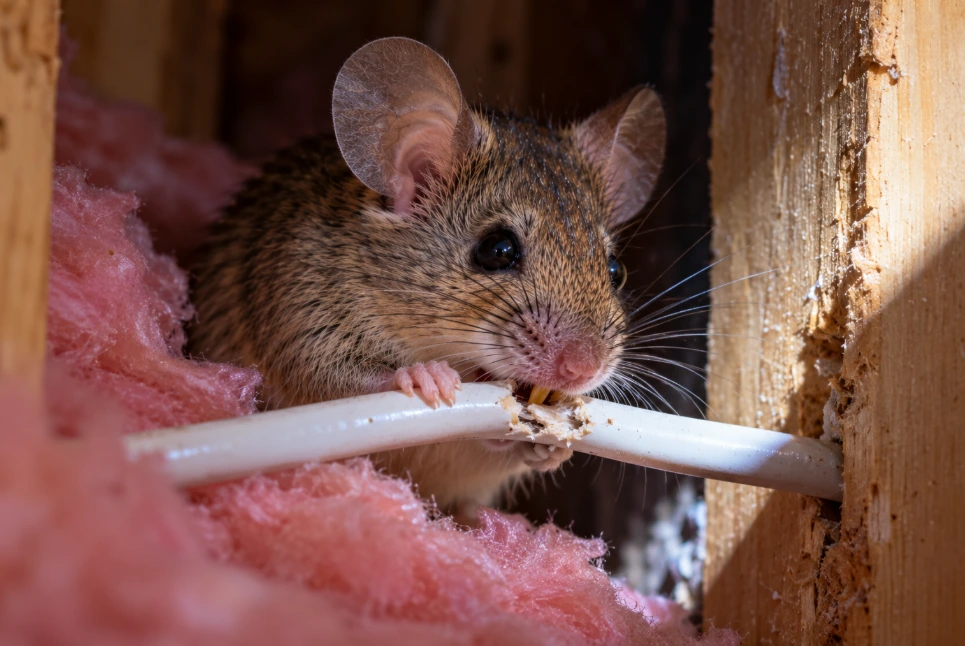
It’s important to deal with mice sooner rather than later. They can chew through wiring, damage insulation, contaminate food, and spread germs through their droppings and urine. The Centers for Disease Control and Prevention (CDC) explains why keeping rodents out of your home is an important part of protecting your family’s health.

Find Out How Mice Are Getting Inside
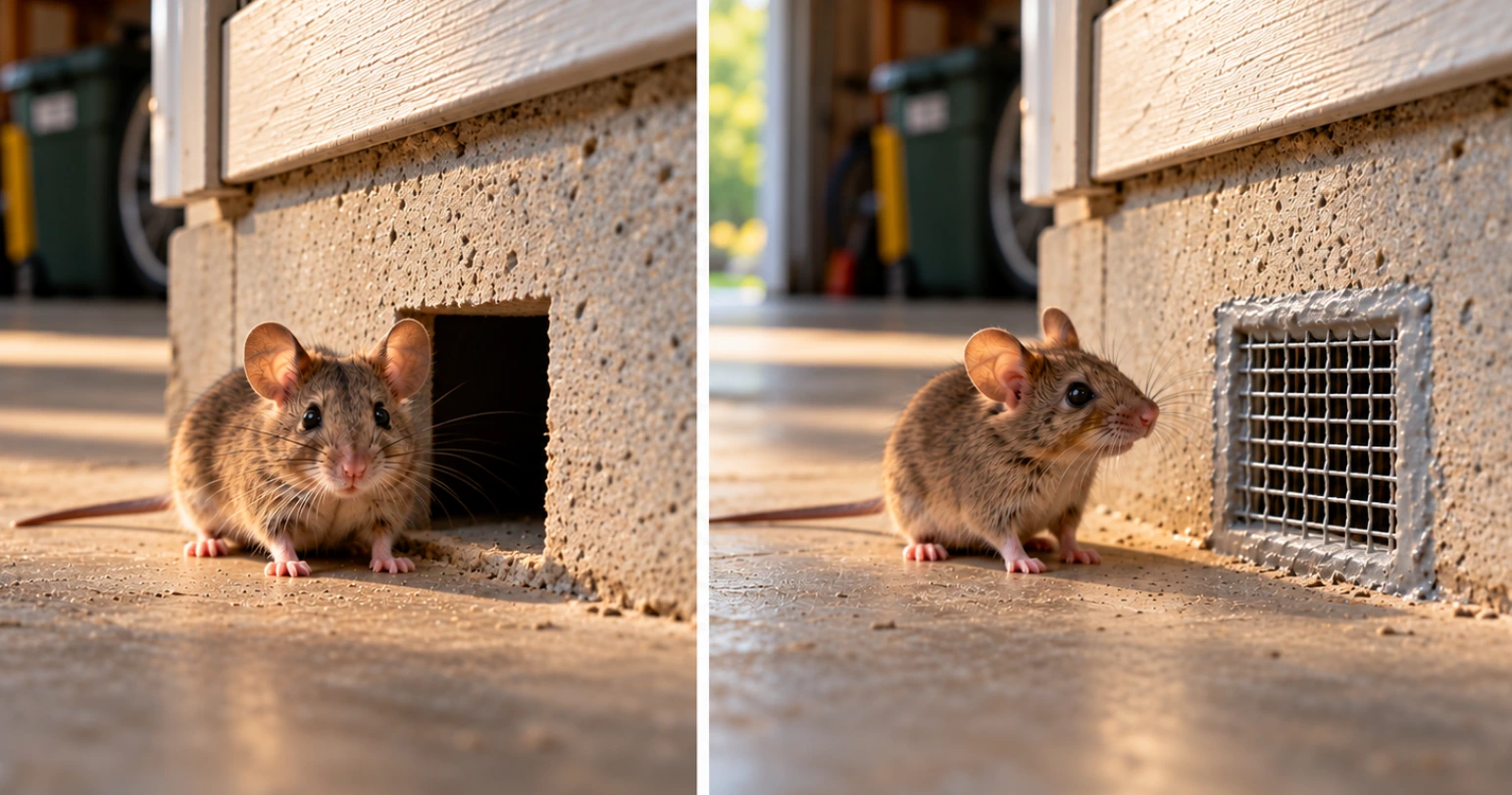
You might be surprised by how small a hole a mouse can squeeze through. An opening about the size of a dime can be enough, so it’s worth checking your home for gaps you might normally overlook. If a mouse can fit through it, chances are it won’t be sending you a warning first.
Where to Check and What to Seal Gaps With
- Look around your foundation, garage door, windows, vents, and the spots where pipes enter your home.
- Check under sinks and behind appliances, too.
- Seal smaller openings with suitable rodent-resistant materials and use metal mesh or other durable repairs for larger gaps.
According to the CDC’s rodent prevention guidelines, sealing holes and gaps is one of the best ways to prevent mice from getting inside.
This step is especially important if you’ve already removed mice but keep finding new droppings. Otherwise, you’re basically leaving the front door open for the next unwanted guest.
Common Mouse Entry Points and How to Seal Them
| Where to Check | What to Do |
|---|---|
| Foundation | Seal gaps with metal mesh. |
| Garage door | Close any gaps. |
| Windows and vents | Seal small openings. |
| Where pipes enter | Fill gaps with rodent-resistant material. |
| Under sinks | Check and seal openings. |
| Behind appliances | Check for gaps and droppings. |

Get Rid of What Attracts Mice
Mice don’t need much food to survive, which means leaving a few crumbs on the counter or a bag of pet food open in the garage can be enough to attract them. Apparently, mice don’t mind eating leftovers, but they have no intention of helping with the dishes.
How to Store Food and Pet Food Properly
- Keep pantry food in sealed containers
- Clean up spills
- Take out the garbage regularly.
- If you have pets, try picking up leftover food before bed instead of leaving it out overnight.
Clear Out Clutter Inside and Outside Your Home
It’s also a good idea to clear out clutter. Stacks of cardboard, old clothes, and piles of paper give mice plenty of places to hide and build nests. Outside, keep firewood and yard debris away from your home’s foundation when possible.
These changes might seem small, but they can make your home a lot less appealing to mice. Think of it as making your house a little less welcoming to the guests you never invited.

Can You Get Rid of Mice Without Killing Them?
If you’re looking for humane mouse removal, you might be considering a live trap. These traps catch mice without killing them, but there are a few things to think about before using one.
What Happens to Mice Caught in Live Traps?
A mouse left in a trap for too long can become stressed, dehydrated, or exposed to extreme temperatures. Releasing it doesn’t necessarily mean it will survive or stay away from your home. You might think you’ve solved the problem, only to find yourself dealing with another mouse later.
Why Does the CDC Advise Against Live and Glue Traps?
The CDC advises against live traps and glue traps for household rodent control because trapped rodents can become stressed and urinate, potentially increasing exposure to harmful germs. Glue traps can also cause prolonged suffering.
Do Natural Mouse Repellents and Essential Oils Work?
You may have seen natural mouse repellents or essential oils recommended online, too. Unfortunately, their effectiveness is inconsistent, and they aren’t something you should rely on to solve an established mouse problem. A few drops of peppermint oil might make your home smell nice, but don’t count on it to convince every mouse to pack its bags.
Mouse Prevention: Keep Mice Out Before They Move In.
Your best bet is to focus on keeping mice out in the first place. If they’re already nesting inside your home, getting professional advice can help you figure out the most appropriate way to handle the situation.
Better Alternatives to Traps and Repellents
| If You’re Considering | Do This Instead |
|---|---|
| Live traps | Seal entry points to keep mice out. |
| Glue traps | Remove food sources and clutter. |
| Essential oils | Store food in sealed containers. |
| Releasing a caught mouse | Find and close the gap it used. |
What If You Have Pets at Home?
If you have dogs or cats, it’s understandable to be careful about the products you use to get rid of mice. Some mouse poisons can be dangerous to pets and other wildlife, so it’s important to know what you’re using and how it could affect the animals around you.
What Should You Do First to Keep Mice Away Safely?
Start with the basic:
- Seal holes
- Store food properly
- Remove places where mice can hide.
If you need additional treatment, follow product instructions carefully and keep pets away from traps or treated areas as directed.
Call a Pest Control Professional for Mice Management
If mice keep showing up, it may be time to call your local pest control professional. Green Pest Management can help identify where mice are getting in and discuss treatment options that take your household and pets into consideration. After all, your pets should be the only animals in your house getting spoiled.
Flea Control and Tick Yard Treatment
If you’ve also been dealing with fleas in your home or ticks in your yard, ask Green Pest Management or your local pest control company about available flea control and tick yard treatments. The right treatment depends on the pest and your property, so it’s worth discussing your options before deciding what to use.

How to Clean Up After Mice
Once you’ve dealt with the mice, don’t forget about the mess they leave behind. Droppings and urine can carry germs, so cleaning them up the right way matters. Unfortunately, mice aren’t exactly known for their housekeeping skills.
How To Safely Clean Up Mouse Droppings and Urine
- The CDC recommends wearing gloves and soaking droppings and urine with an appropriate disinfectant before wiping them up.
- Avoid sweeping or vacuuming dry droppings because this can send contaminated particles into the air.
- Follow the disinfectant’s instructions and wash your hands thoroughly when you’re finished.
If there’s a large amount of droppings or contaminated insulation, consider getting professional help with cleanup. You can find more information in the CDC’s rodent cleanup guidelines.

How to Keep Mice From Coming Back
Getting rid of mice is one thing, but keeping them away takes a little ongoing effort.
- Check your home for new gaps
- Keep food sealed
- Deal with clutter before it becomes a hiding place.
- Pay attention to fresh droppings or chewing, too, since these can be signs that mice are still around.
If you’ve tried these steps and you’re still hearing scratching in the walls or finding droppings, there could be an entry point or nest you haven’t found yet.
Controlling Mice Without Poison
The good news is that you don’t have to jump straight to mouse poison to deal with the problem.
The following actions can help you manage mice while reducing unnecessary harm:
- Preventing access
- Removing food sources
- Choosing appropriate removal methods
Get Professional Mice Control
If you can’t seem to get rid of them, Green Pest Management or another qualified local pest control professional can help you find out what’s causing the problem and work toward a solution that keeps your home mouse-free. Because your home should be your space, not a mouse’s next real estate investment.
Mice: Questions & Answers
Does a Cat Eat a Mouse?
Yes, a cat can eat a mouse, because domestic cats are natural predators and mice are classic prey. Cats hunt by instinct, even when well fed, and some catch mice only to play with them. Wild mice can pass parasites or rodenticide to a cat, so cats aren’t a risk-free pest solution.

Does a Mouse Bite?
Yes, a mouse does bite, usually only when it feels frightened, trapped, or handled. Most bites are small and shallow, but any bite that breaks the skin can introduce bacteria. Wash the wound with soap and running water right away, and see a doctor if it looks infected.
Do Rats Eat Mice?
Yes, rats do eat mice in some situations, because rats are omnivores and opportunistic feeders. A rat may kill a mouse when food is scarce or the two compete for space. Not every rat does this, so check for signs of both species if you see one.

Do Mice Eat Grass?
Yes, mice eat grass, along with seeds and other plant material, since they are omnivores. Wild field mice nibble grass seeds, stems, and shoots, while house mice prefer grains and other energy-rich foods. When the weather cools, outdoor mice may move indoors for food and shelter.

Do Mice Like Cheese?
Mice will eat cheese if it’s available, but they don’t especially prefer it, and the idea comes mostly from cartoons. Their natural diet centers on grains, seeds, and nuts, and they favor sweet, fatty, high-calorie foods. That’s why sealing pantry staples and pet food matters more than worrying about cheese.
Sources
Centers for Disease Control and Prevention (CDC). “Controlling Wild Rodent Infestations.” https://www.cdc.gov/healthy-pets/rodent-control/
Centers for Disease Control and Prevention (CDC). “How to Seal Up to Prevent Rodents.” https://www.cdc.gov/healthy-pets/rodent-control/seal-up.html
Centers for Disease Control and Prevention (CDC). “How to Clean Up After Rodents.” https://www.cdc.gov/healthy-pets/rodent-control/clean-up.html