

The Importance of Pest Life Cycles
Understanding how common household pests grow, reproduce, and develop can make pest prevention and control much more effective. Ants, cockroaches, bed bugs, mosquitoes, and rodents each have different life cycles, and many spend part of their development hidden in nests, cracks, water, or other protected areas. Treating only the pests you can see may therefore leave eggs, immature stages, or breeding populations behind.
How Pest Life Cycles Affect Pest Control
Knowing a pest’s life cycle helps determine when, where, and how control methods should be used. Effective pest management often combines prevention, sanitation, exclusion, monitoring, and targeted treatments to interrupt reproduction and reduce the chance of an infestation returning.
Pest Life Cycles – TL;DR
- Effective pest control targets the entire pest life cycle, not just the pests you can see.
- Ants, cockroaches, bed bugs, and mosquitoes all pass through immature stages that can remain hidden during treatment.
- Pest eggs, larvae, nymphs, nests, and breeding areas can allow an infestation to return even after visible pests disappear.
- DIY pest control may reduce activity temporarily without eliminating the source of the problem.
- Successful control may include pest identification, targeted treatments, sanitation, moisture reduction, removal of standing water, trapping, baiting, and sealing entry points.
- Integrated pest management (IPM) combines prevention, monitoring, and targeted control methods to interrupt pest development.
- Understanding pest life cycles helps homeowners prevent reinfestations and know when professional pest control may be needed.
A Closer Look at the Life Cycles of Common Household Pests
Ants
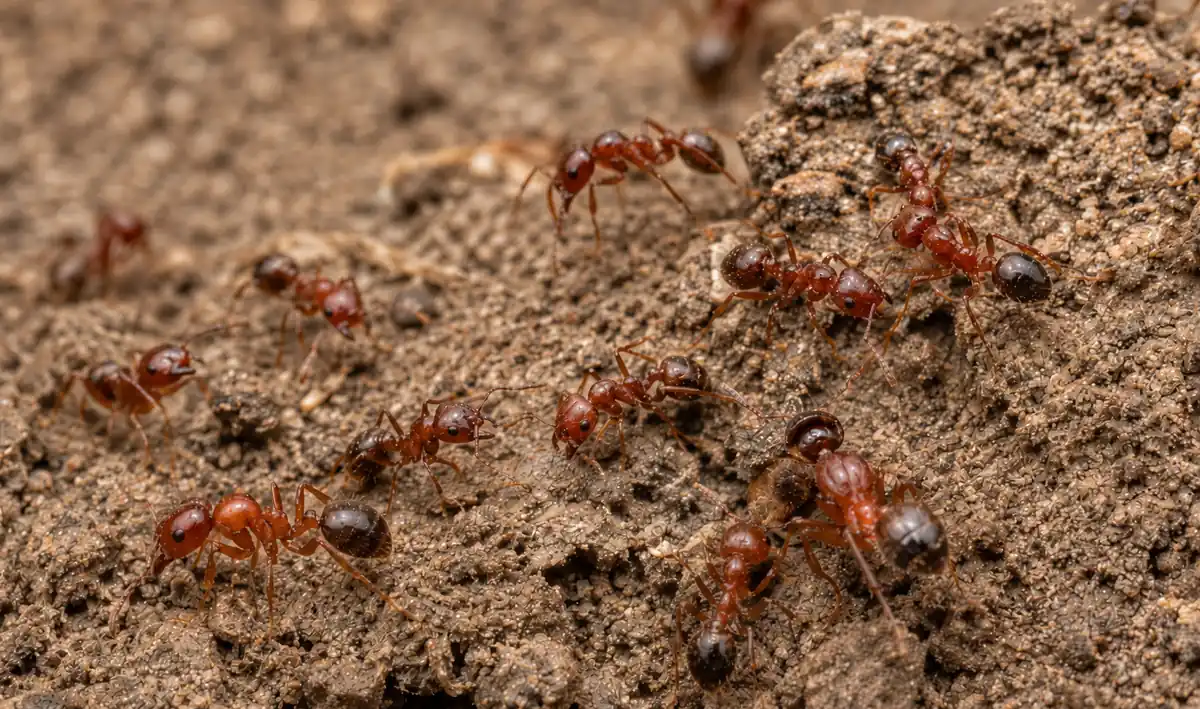
Ant colonies begin with a queen laying eggs. These eggs become larvae, then pupae, and eventually turn into adult ants—either workers, soldiers, or future queens. The ants you usually see are workers, out gathering food. If they’re inside your home, the colony is already established nearby.
DIY Ant Control vs Professional Ant Control
Using bait can be effective if the workers carry it back to the colony and reach the queen. But if you’re only killing the ants you see, the colony will keep growing in the background. Sprays can even backfire, sometimes triggering the colony to split and scatter into new nesting sites. Professionals go after the source, treating multiple entry points and nesting areas rather than just the visible trail.
| Caste | Role in the Colony |
|---|---|
| Worker |
Gathers food Feeds colony members Cares for young Maintains tunnels and nest areas |
| Soldier |
Defends the colony Protects against predators Uses specialized defensive structures |
| Queen |
Primary reproductive Lays eggs Produces new colony members |
Cockroaches
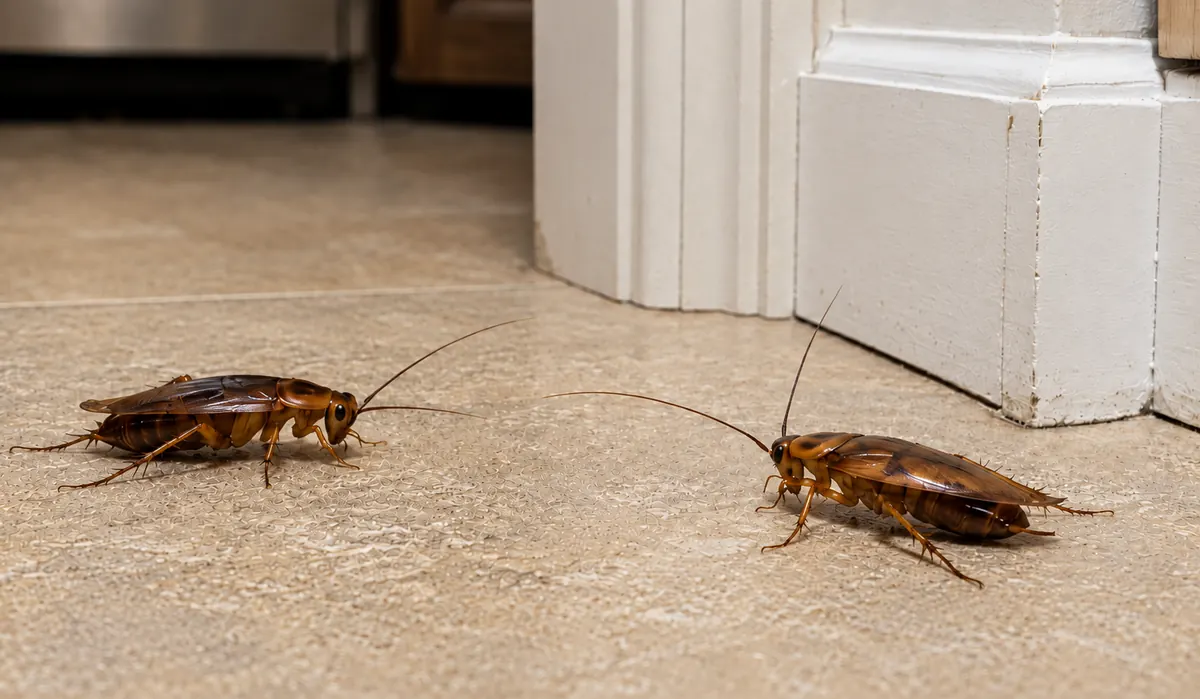
Cockroaches lay eggs in protective cases, which are often hidden in dark, warm areas. When the eggs hatch, nymphs emerge and begin developing into adults through a series of molts. These younger roaches can be difficult to detect because they’re smaller and tend to hide more effectively.
Cockroach Control
A complete treatment must reach both the adults and the early-stage nymphs to be successful. Egg cases are also resistant to many surface treatments, so missing them often means a new generation hatches even after visible roaches are gone. That’s why cockroach control involves more than just sprays—it requires a strategy that covers all stages of development.
| Life Stage | What's Happening |
|---|---|
| Egg Case / Ootheca |
Holds multiple eggs Protects developing young |
| Nymph |
Small, wingless immature stage Grows through repeated molts |
| Adult |
Fully developed stage Capable of reproduction |
Bed Bugs
Bed bugs have a straightforward but persistent life cycle: egg → nymph → adult. Nymphs go through five stages, requiring a blood meal between each. All stages can bite, and they all hide well.
Bed Bug Control
That’s why professional bed bug treatment often takes multiple visits. Missing just a few eggs can lead to a repeat infestation within weeks.
| Life Stage | What's Needed to Advance / Duration |
|---|---|
| Egg |
Embryo develops inside egg No blood meal needed Duration: About 6–10 days |
| Nymph – Instar 1 |
Takes at least one blood meal Then molts to Instar 2 |
| Nymph – Instar 2 |
Takes at least one blood meal Then molts to Instar 3 |
| Nymph – Instar 3 |
Takes at least one blood meal Then molts to Instar 4 |
| Nymph – Instar 4 |
Takes at least one blood meal Then molts to Instar 5 |
| Nymph – Instar 5 |
Takes at least one blood meal Final molt produces adult |
| Adult |
No further molts Feeds on blood Reproduces after maturity Lifespan: Commonly about 2–4 months under normal conditions Survival can be longer depending on temperature and access to blood meals |
Mosquitoes
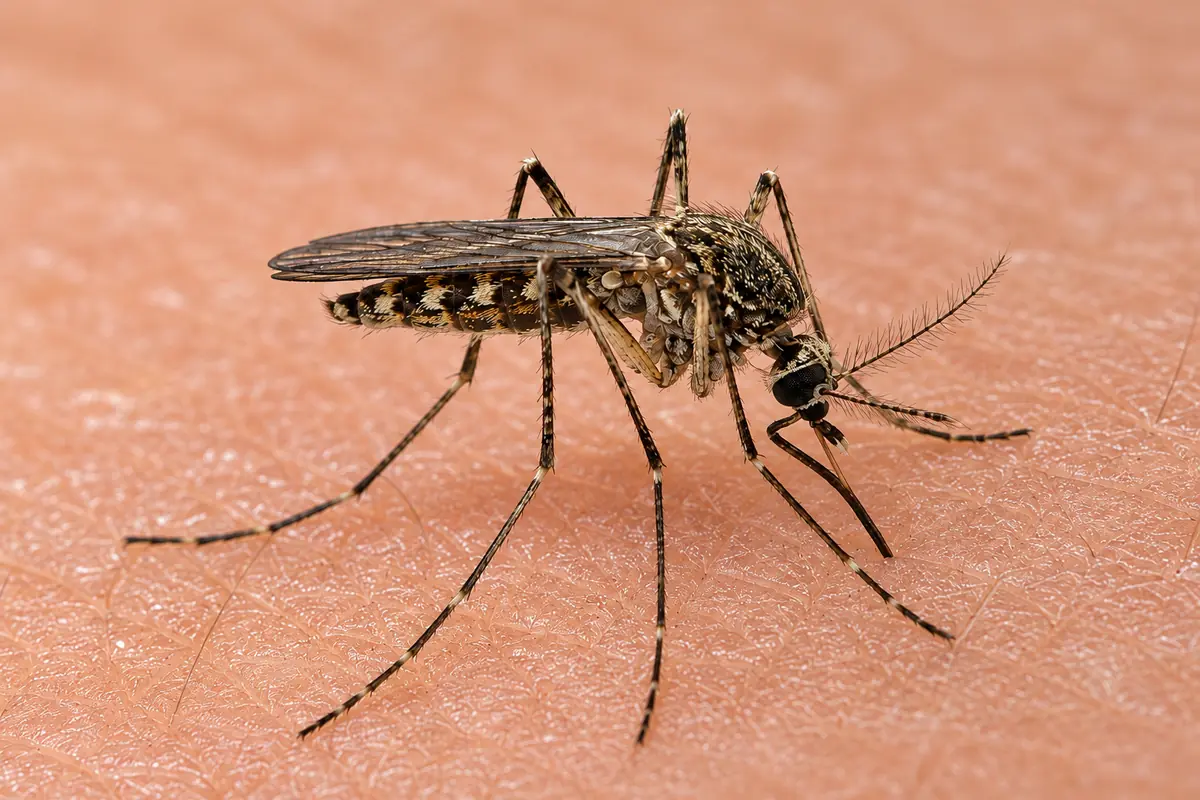
Mosquitoes lay eggs in standing water, and within days, those eggs become larvae, then pupae, and finally adults. The entire process can happen in under two weeks depending on the weather. Eliminating standing water around your home is one of the best ways to stop mosquito populations before they take off.
Mosquito Control
Fogging adult mosquitoes helps, but mosquito control works best when it also targets the larval stage. Professional treatment typically combines both: applying larvicide to standing water on the property that can’t easily be removed, while also treating vegetation and resting areas where mosquitoes gather, so the population is addressed at every stage rather than just knocked back temporarily.
| Common Source | Why It's a Risk |
|---|---|
| Clogged Gutters |
Traps shallow, stagnant water Debris can help shelter larvae |
| Plant Saucers |
Water collects after watering or rain Small containers can support larvae |
| Tarps / Covers |
Folds create hidden water pockets Water may remain undisturbed |
| Birdbaths |
Open water is easily accessible Can support eggs and larvae |
| Old Tires |
Hold rainwater for long periods Often shaded and difficult to drain |
| Unused Kids' Pools |
Can hold large areas of still water May remain untouched for days |

Rodents
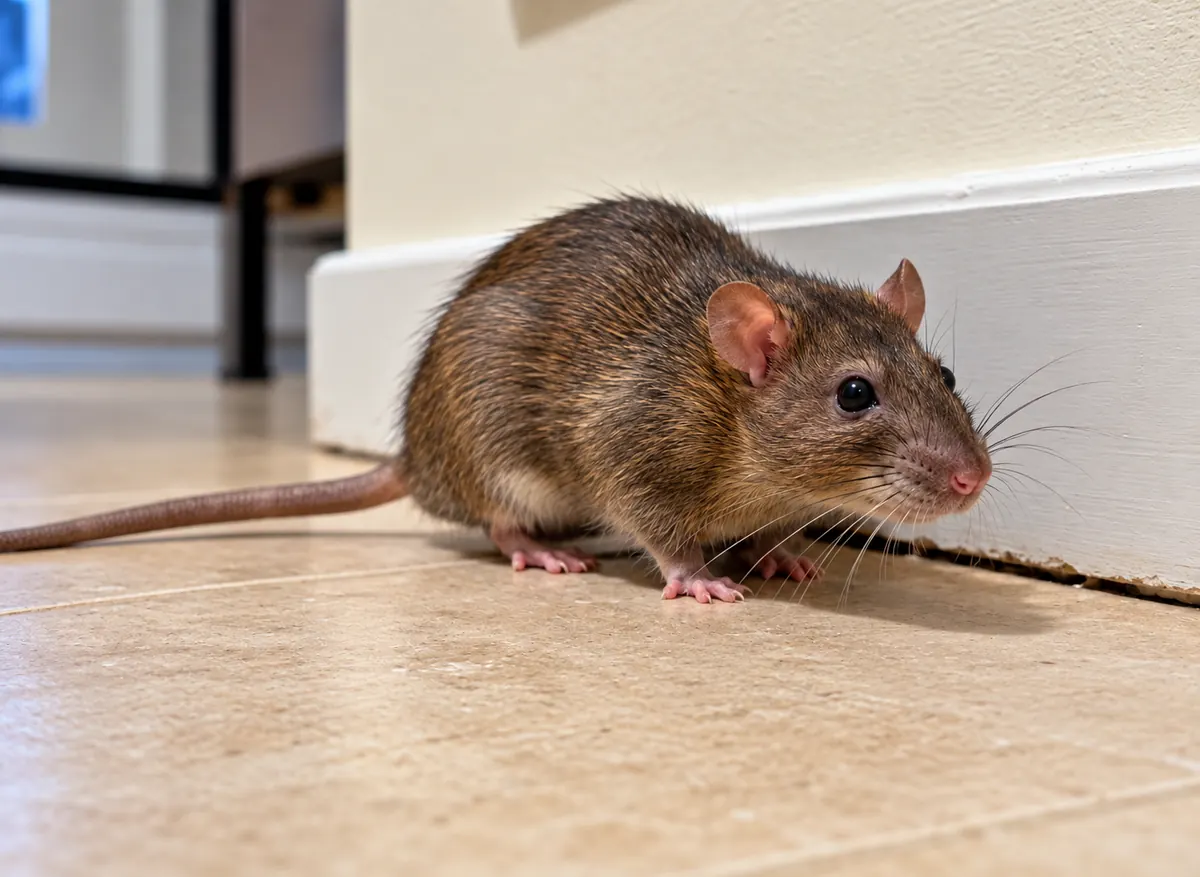
Rodents like mice and rats reproduce quickly. A single female mouse can give birth to dozens of pups in a year. Their young mature in just a few weeks and can start reproducing soon after.
If you see signs of mice:
- Droppings
- Gnaw marks
- Nesting material
— it’s safe to assume there are more mice nearby.
Rodent control needs to focus on both elimination and prevention: trapping existing mice while sealing off access points to prevent others from getting in. Pest control professionals typically inspect the property’s exterior for entry points as small as a quarter-inch, since mice can squeeze through gaps that size, and pair sealing with a trapping plan rather than relying on one or the other alone.
| Rodent Elimination | Rodent Prevention |
|---|---|
| Set snap traps in corners | Seal gaps around pipes/vents |
| Use rodent bait stations | Install door sweeps |
| Try glue traps in tight spots | Cap or mesh the chimney |
| Use live-catch mouse traps | Plug holes with steel wool |
| Bait traps with peanut butter | Store food in sealed containers |
| Hire a rodent control pro | Seal foundation cracks |
| Reset traps daily | Trim branches near house |
| Check for rodent droppings/gnaw marks | Declutter basement/garage |
| Remove old rodent nesting material | Screen vents & crawl spaces |
| Clean up food spills right away | Use tight-lidded trash cans |
| Inspect attic for rodent nests | Check vehicles for rodent activity |
Why DIY Pest Control Isn’t Always Enough
Plenty of people start with do-it-yourself pest control. It’s understandable—there are countless sprays, traps, and natural remedies out there. And for very mild problems, these can sometimes help. But DIY methods usually don’t address the full life cycle. You might kill a few ants or trap a mouse, but without treating the hidden stages like eggs or larvae, the problem continues quietly until it flares back up.
At some point, most people realize store-bought sprays and traps only offer temporary relief. That’s usually when it’s time to call in a professional who understands how to target every stage of a pest’s life cycle.
Smart Pest Management: Timing Is Everything
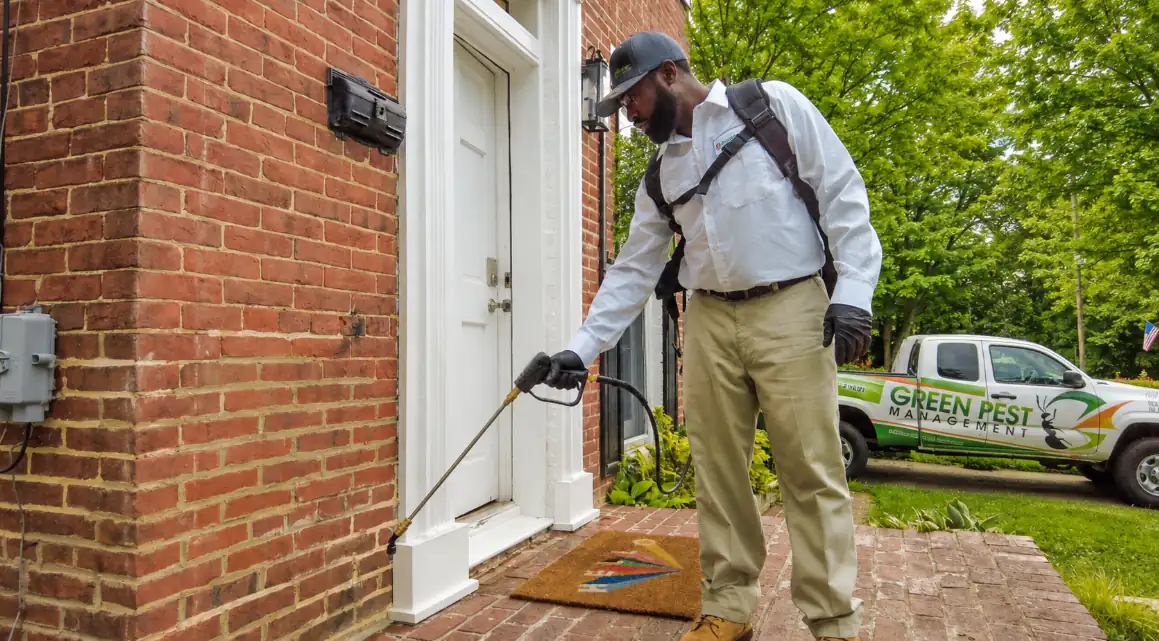
Effective pest control is less about how much product you use and more about when and where you use it. This is where integrated pest management comes in. It combines precise timing, low-toxicity methods, and preventative techniques. For example, growth regulators can be used to prevent insect larvae from reaching adulthood, while physical barriers and bait systems can stop pests without heavy pesticide use.
Kid-Friendly and Pet-Friendly Pest Control
This kind of targeted approach is especially important if you have children or pets at home. Or call your local pest control professional, like the ones at Green Pest Management, that specialize in and have experience in pet-safe treatments. They’ll be able to identify what stage the pests are in and create a treatment plan that works without unnecessary exposure to harsh chemicals.
Pest Prevention: Your Best Long-Term Strategy
Once you’ve controlled a pest problem, the next step is keeping them from coming back. A few simple habits go a long way:
- Keep your kitchen clean and food sealed.
- Take out trash regularly.
- Fix any leaks or moisture issues.
- Eliminate standing water to prevent mosquito breeding.
- Seal cracks and entry points around your home.
Professional Pest Control
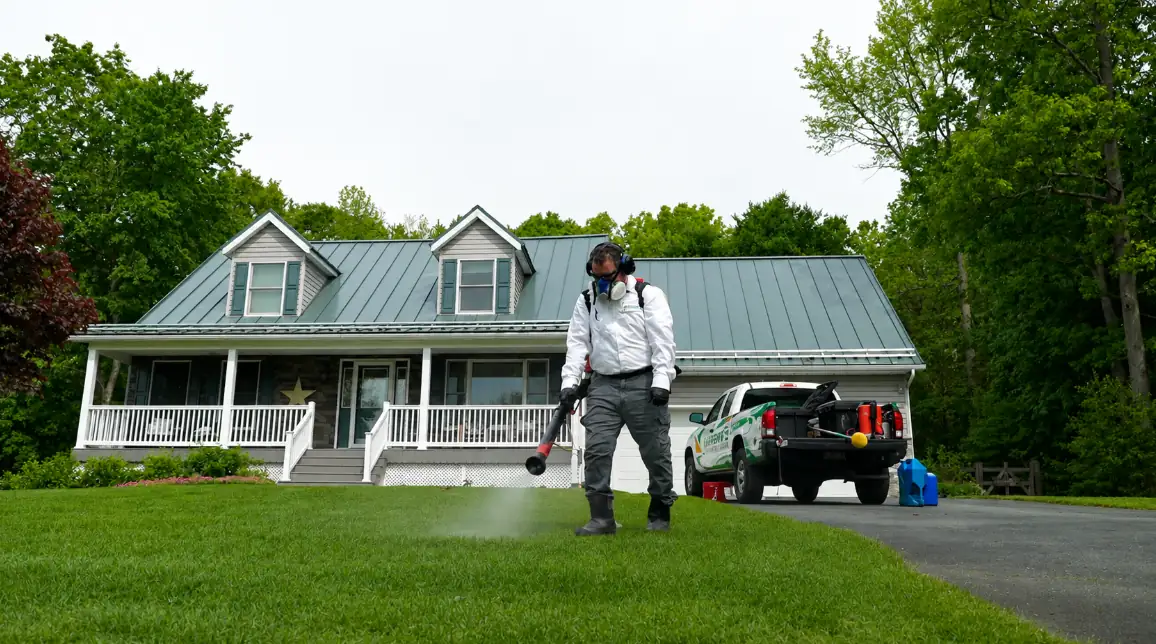
And when it comes to outdoor pests like ticks, mosquitoes, and fleas, Green Pest Management—or your local pest control company that will offer a tick yard treatment—can help protect your yard through seasonal treatments that make a big difference.
Final Thoughts
Pests aren’t random. They have patterns and life cycles, and those cycles can work against you if you don’t understand them. Whether you’re trying to get rid of ants, bed bugs, or rodents, treating the adults without addressing the early stages only offers temporary relief.
By learning how pests grow and reproduce—and acting at the right time—you can take control of your home. And when you need a safe, experienced approach that takes the whole picture into account, the team at Green Pest Management is there to help.
Sources (Non-Commercial):
- Centers for Disease Control and Prevention. (n.d.). Bed Bugs — DPDx Diagnostic Resource. https://www.cdc.gov/dpdx/bedbugs/index.html
- University of California Statewide IPM Program. (n.d.). Ant Management in Gardens and Landscapes. https://ipm.ucanr.edu/home-and-landscape/ant-management-in-gardens-and-landscapes/
- University of Florida IFAS Extension. (n.d.). American Cockroach, Periplaneta americana (Linnaeus) (EENY141/IN298). https://ask.ifas.ufl.edu/publication/IN298
- U.S. Environmental Protection Agency. (n.d.). Integrated Pest Management (IPM) Principles. https://www.epa.gov/ipm
- University of Kentucky Entomology. (n.d.). Household Pests (EF603). https://entomology.ca.uky.edu/ef603
- Centers for Disease Control and Prevention — Controlling Wild Rodent Infestations. https://www.cdc.gov/healthy-pets/rodent-control/